If you picture life in Hawaiʻi and immediately think of resort corridors or dense neighborhoods, Captain Cook may surprise you. This part of South Kona offers a different rhythm, where coffee country, larger parcels, and a more rural setting shape daily life. If you are considering a home here, it helps to understand how the land, zoning, and location all work together before you start touring properties. Let’s dive in.
Why Captain Cook Feels Different
Captain Cook sits in South Kona’s coffee country, and that setting matters. Hawaiʻi County community profiles place Captain Cook in South Kona, while county GIS defines the Kona Coffee Belt as a continuous band between roughly the 700-foot and 2,000-foot contour lines.
That elevation range helps explain the area’s character. Instead of a dense subdivision pattern, you are more likely to find an inland corridor shaped by farms, homesites, and open space. For many buyers, that is the appeal.
If you want a home that feels connected to the land, Captain Cook often delivers that experience. You may find privacy, greenery, and a quieter atmosphere that feels distinct from more built-up parts of West Hawaiʻi.
What Homes in Captain Cook Are Like
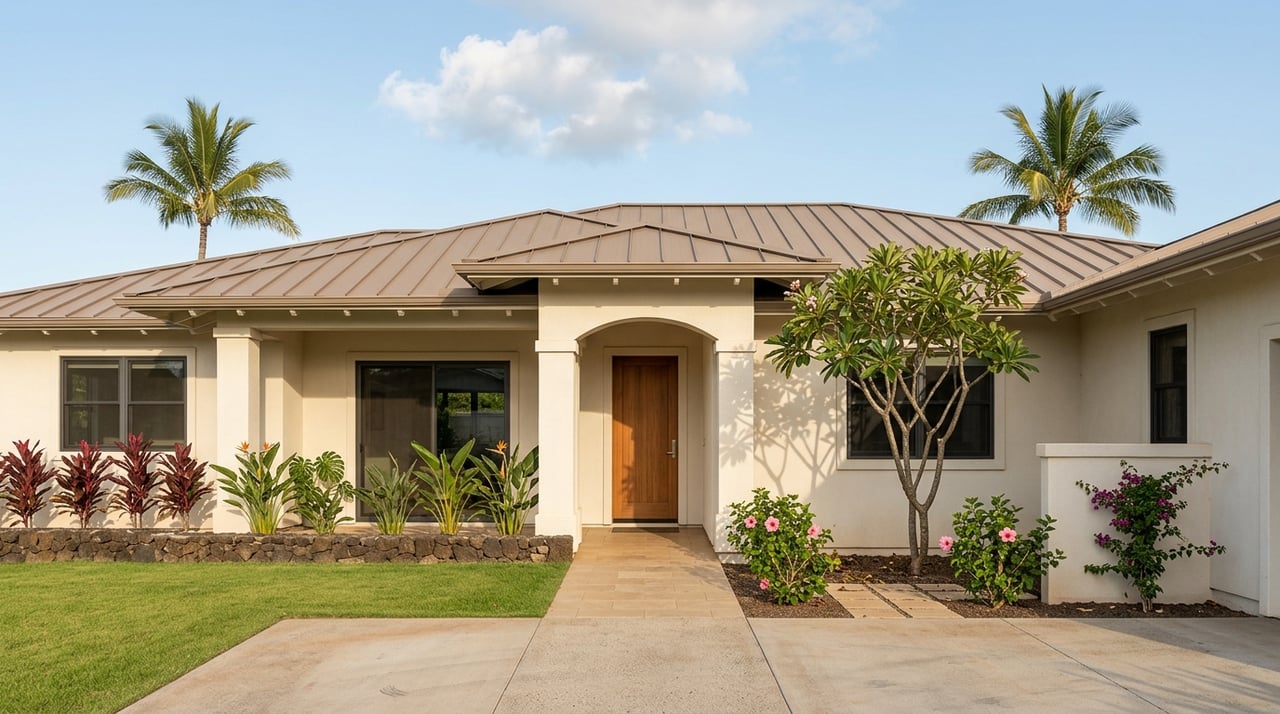
One of the most important things to know is that Captain Cook does not fit into one simple housing category. It is better described as a low-density coffee-country setting with a mix of residential and agricultural parcels.
Hawaiʻi County explains that zoning is the main local land-use control. Zoning determines permitted uses, setbacks, height limits, parking, and density, which means it directly shapes what a property can be used for and how it may feel from lot to lot.
South Kona permit documents show a mix of zoning types in the area, including A-5a, RS-10, and A-3a. In practical terms, that points to a range of property types, from single-family homes on smaller residential lots to custom homes and dwellings on multi-acre agricultural parcels.
Expect Variety From Property to Property
In Captain Cook, two homes that seem close on a map can offer very different ownership experiences. One parcel may feel more village-like, while another may be part of a broader agricultural landscape with more land around it.
That is why buyers here should avoid making assumptions based on one listing or one drive through the area. The details of zoning, access, parcel size, and allowed uses can matter as much as the house itself.
Why Zoning Matters for Buyers
If you are drawn to garden space, agricultural potential, or extra room between neighbors, zoning should be one of your first checkpoints. It affects how land can be used now and can also shape what may happen on nearby parcels over time.
This is one area where local guidance can make a real difference. A home search in Captain Cook is often about matching your lifestyle goals to the realities of a specific parcel, not just finding the right bedroom count.
Daily Life in Captain Cook
Captain Cook offers useful everyday services, but it is not built around a compact, walkable town center. Many daily errands and appointments tend to follow Mamalahoa Highway and the broader Highway 11 corridor.
The area includes a USPS post office at 82-6110 Mamalahoa Highway. County facilities also place Arthur L. Greenwell Park and Yano Hall on Mamalahoa Highway in Captain Cook, which helps anchor day-to-day community activity.
For transit, the county’s Route 204 bus serves Captain Cook, Kealakekua, Keauhou, and Kailua-Kona. Stops include Greenwell Park and the Kona Community Hospital corridor.
Nearby Medical Access
For many buyers, access to medical care is part of the decision. Kona Community Hospital is located in nearby Kealakekua at 79-1019 Haukapila Street, giving South Kona residents a nearby medical anchor.
That convenience matters, especially in an area that still feels spread out and rural. You can enjoy a quieter home setting without feeling completely disconnected from core services.
Coffee Country With Ocean Access
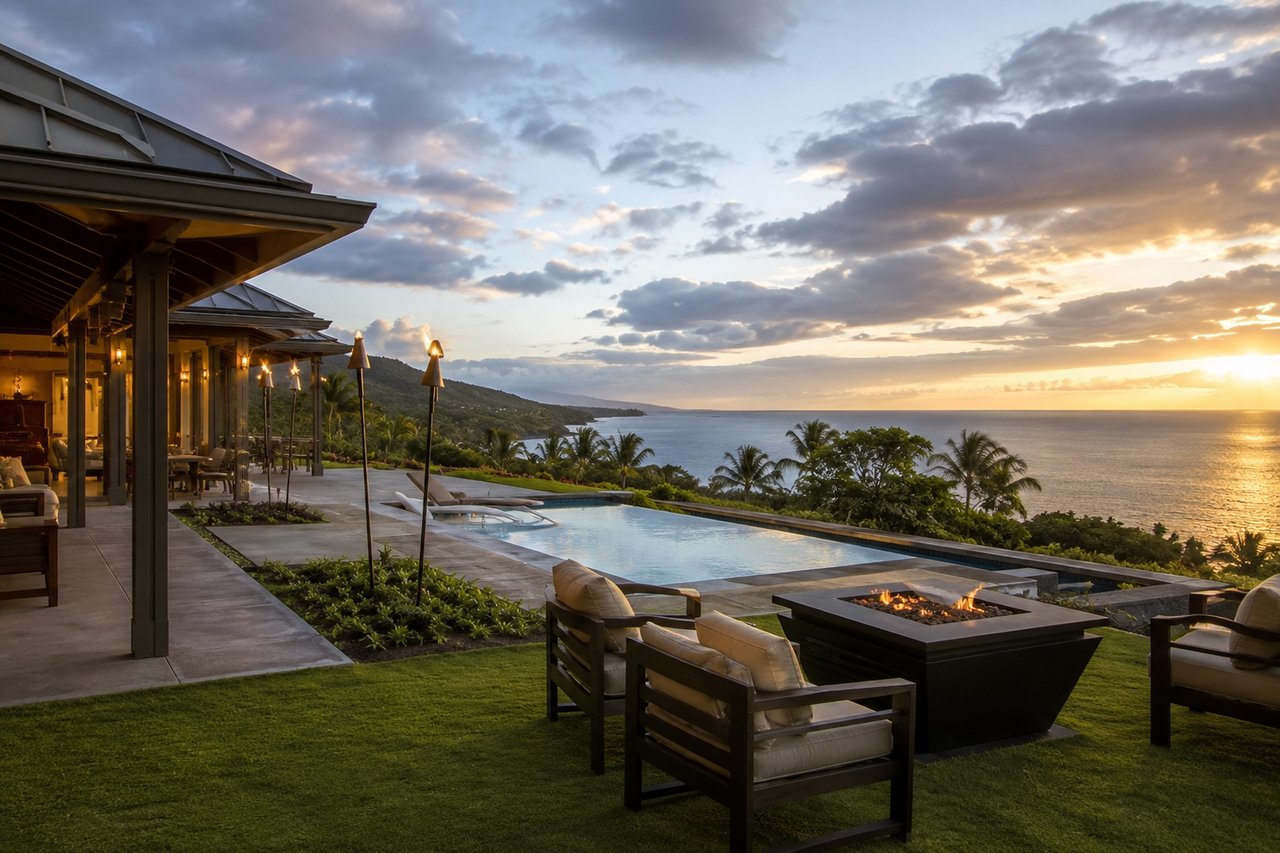
A big part of Captain Cook’s appeal is that you do not have to choose between an inland lifestyle and time by the water. Kealakekua Bay State Historical Park is about 12 miles south of Kailua-Kona and is known for snorkeling, kayaking, and diving.
The bay is also a Marine Life Conservation District, which adds to its reputation as a standout shoreline destination. For buyers, that means coffee-country living can still come with relatively nearby ocean recreation.
The county’s South Kona shoreline guide also identifies public access points in the broader area, including Kealakekua Bay State Historical Park, Hōnaunau Bay Boat Ramp, Puʻuhonua o Hōnaunau National Historical Park, and Ho‘okena Beach Park. Kealakekua Bay itself is open during daylight hours and free to enter.
Understand the Coastline Conditions
South Kona shoreline access can be beautiful, but it also requires awareness. The county warns that coastal access may involve seasonal high surf, strong currents, slippery rocks, and hazardous footing.
That does not reduce the lifestyle value of living nearby. It simply means your enjoyment of the coast should come with local knowledge, planning, and respect for changing conditions.
Who Captain Cook Fits Best
Captain Cook tends to appeal to buyers who want scenery, privacy, and a stronger connection to the land. It is often a natural fit if you are looking for more space, garden or hobby-farm potential, and a slower South Kona pace.
This area can also make sense for second-home buyers who prefer a more grounded, less resort-centered setting. Instead of prioritizing a polished neighborhood feel, many buyers here are looking for authenticity, elbow room, and a sense of place.
Good Match for Long-Term Lifestyle Buyers
Captain Cook is usually best approached as a lifestyle choice rather than a quick, purely transactional search. The area rewards buyers who value the setting itself and are comfortable weighing trade-offs thoughtfully.
Those trade-offs may include fewer urban conveniences, more driving, and more variation from parcel to parcel. If that sounds acceptable to you, the benefits can be meaningful.
What to Watch Before You Buy
In Captain Cook, careful due diligence matters. Because zoning and parcel characteristics vary, it is smart to look beyond finishes and views and focus on how the property fits your actual plans.
A practical home search here often includes questions like these:
- What is the property’s zoning?
- What uses are permitted on the parcel?
- How large is the lot, and how does it compare with nearby properties?
- Will your day-to-day routine involve frequent drives along Highway 11?
- Does the home’s setting match your goals for privacy, gardening, or land use?
- How close do you want to be to shoreline recreation or services in Kealakekua and Kailua-Kona?
These are not small details in Captain Cook. They are often central to whether a property feels like the right fit after the excitement of a showing wears off.
Why Local Guidance Helps Here
Captain Cook is the kind of market where context matters. A listing may look straightforward online, but the real story often comes from understanding the surrounding land pattern, the parcel’s zoning, and how the property fits into the broader South Kona lifestyle.
If you are relocating or buying from off island, that learning curve can feel steep. Having a local team that can help you compare properties, clarify trade-offs, and keep the process organized can save time and help you make a more confident decision.
Whether you are looking for a primary home, a second home, or simply exploring whether South Kona is right for you, Captain Cook is worth a closer look. If you want thoughtful, concierge-level guidance as you evaluate coffee-country properties, connect with Kona Homes for Sale to schedule a consultation.
FAQs
What is the overall setting like for homes in Captain Cook, Hawaii?
- Captain Cook is generally best described as a low-density South Kona coffee-country area with a mix of residential and agricultural parcels rather than a dense subdivision or condo-heavy setting.
What kinds of properties can homebuyers find in Captain Cook?
- Buyers may find detached single-family homes, custom residences, and properties on parcels ranging from smaller residential lots to multi-acre agricultural holdings, depending on the zoning.
Why should homebuyers check zoning in Captain Cook?
- Hawaiʻi County states that zoning determines permitted uses, setbacks, height limits, parking, and density, so it is a key factor in understanding how a property can be used.
How convenient is daily life in Captain Cook for residents?
- Captain Cook has everyday services such as a post office, county facilities like Greenwell Park and Yano Hall, nearby medical access in Kealakekua, and Route 204 bus service connecting the area with other West Hawaiʻi communities.
What shoreline access is near Captain Cook for homeowners?
- Nearby public shoreline access points include Kealakekua Bay State Historical Park, Hōnaunau Bay Boat Ramp, Puʻuhonua o Hōnaunau National Historical Park, and Ho‘okena Beach Park.
Is Captain Cook a good fit for buyers who want more land in South Kona?
- It can be a strong fit if you want more privacy, a stronger connection to the land, and possible garden or hobby-farm potential, while understanding that the area usually involves more driving and more parcel-by-parcel variation.