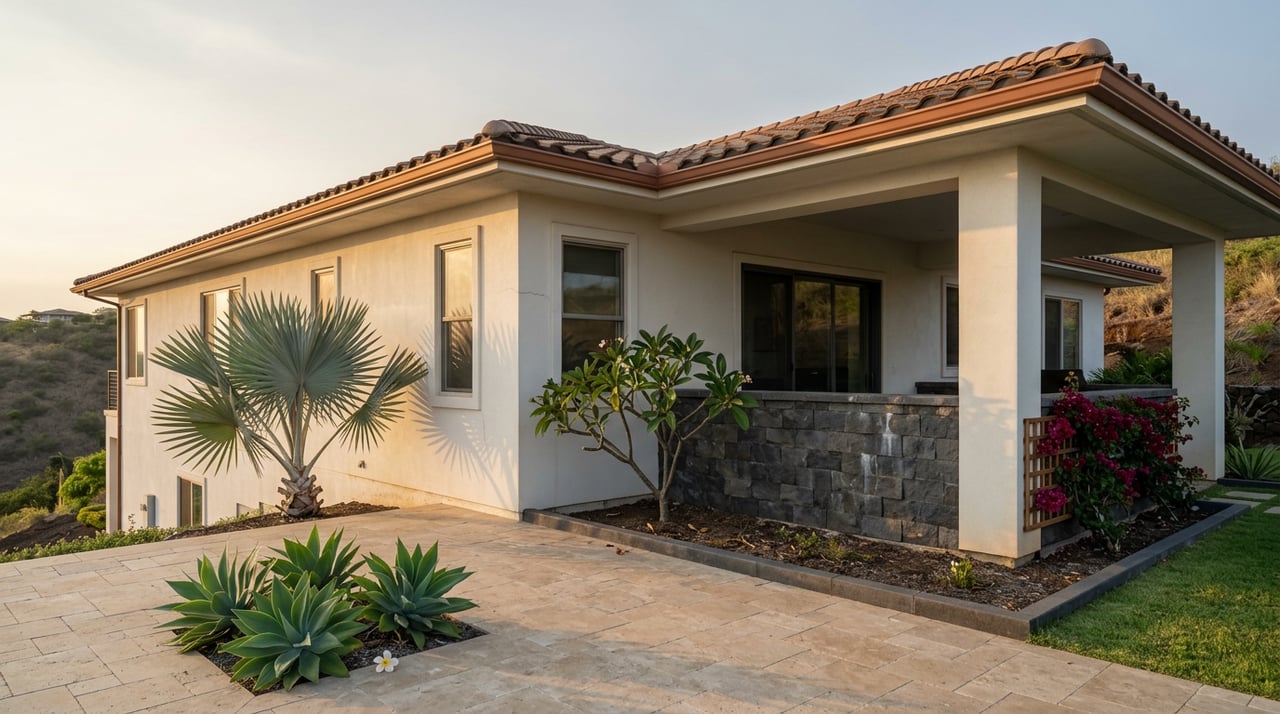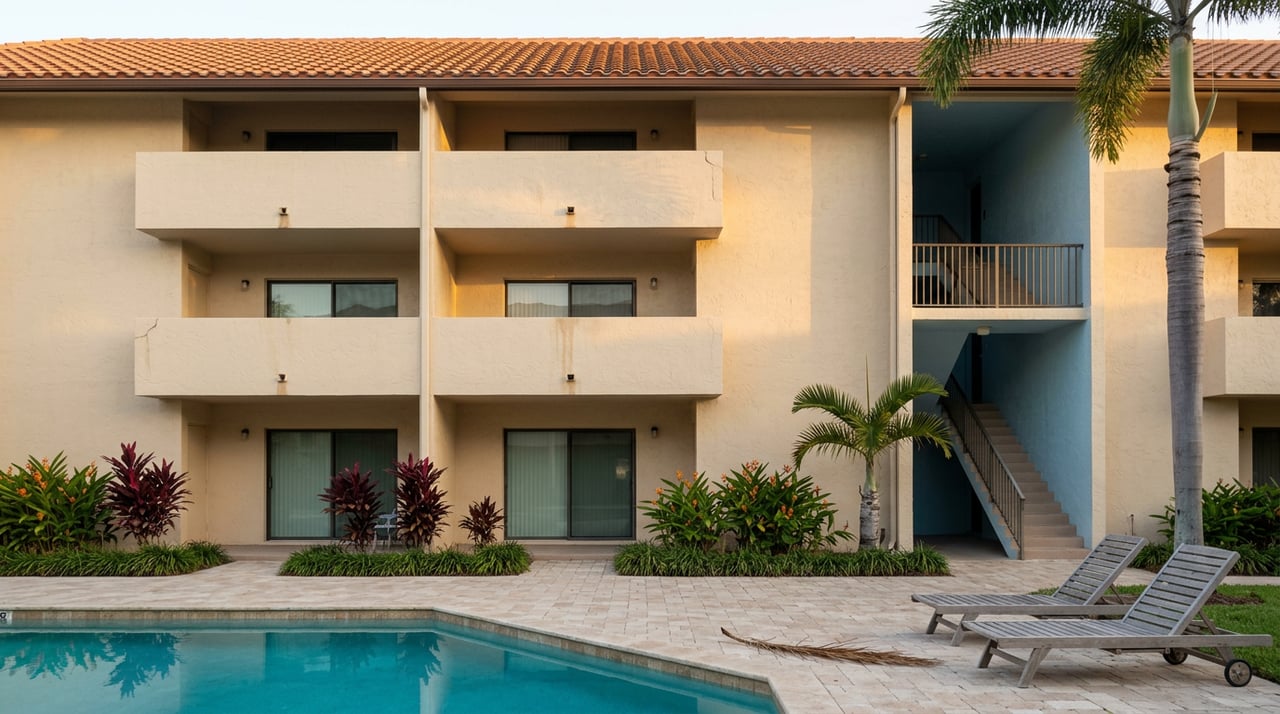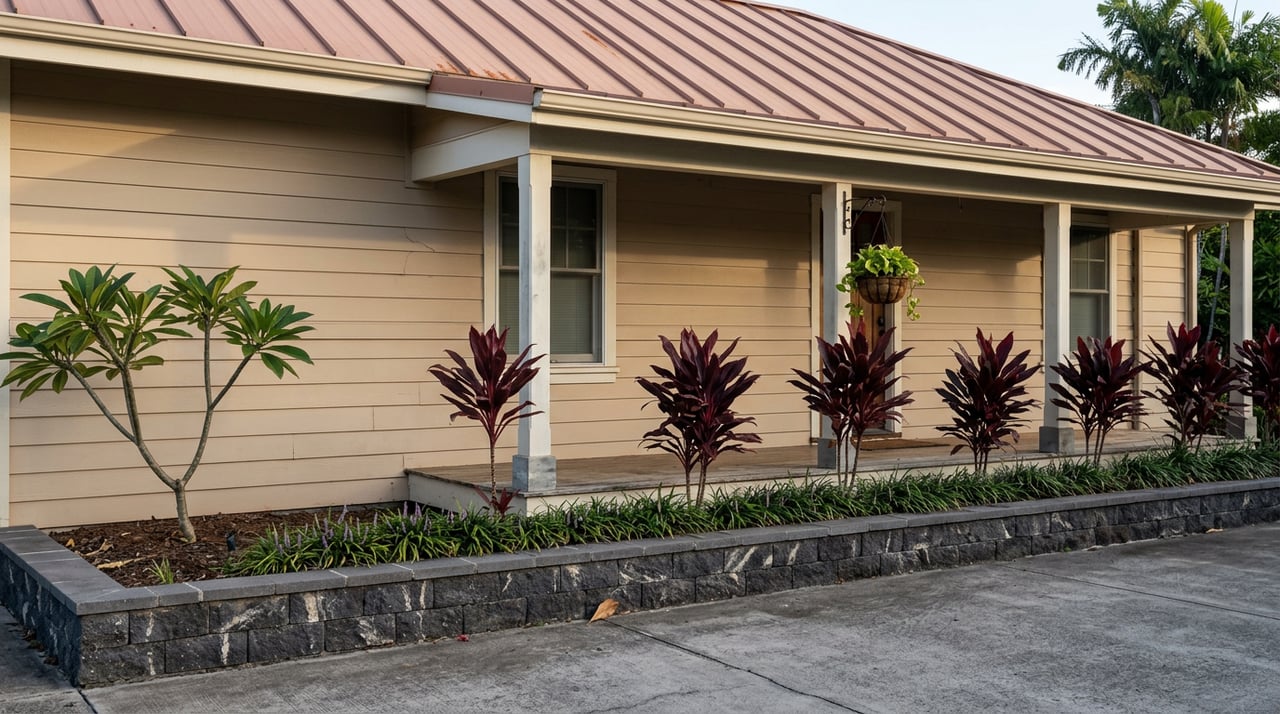
Years ago, I stopped to visit a family who had recently purchased a home through me. They had a little boy with a freckled face, and when he saw me he ran up and wrapped his arms around my legs. He looked up with a big smile and said, "Thanks for finding me a house where I have room to play outside." I think about that moment often. Not because it was a great transaction, though it was, but because it is the clearest reminder I have of why the craft of this job matters.
That boy needed an agent who had done this enough times to understand that a yard was not just a yard. It was the whole point of the move. That kind of listening, and the experience behind it, is what the CRS designation is designed to recognize.
Key Takeaways
- The CRS, or Certified Residential Specialist, is issued by the Residential Real Estate Council and earned by fewer than 3% of licensed Realtors nationwide. It requires a combination of significant closed transaction volume and advanced coursework.
- Brenda Kuessner has held the CRS designation for over 30 years and has sold real estate on the Big Island for 35 years. She also holds the ABR, e-PRO, GRI, and GREEN designations.
- The credential signals that an agent has been in the room enough times, closings, negotiations, complications, to have seen most of what can happen in a real estate transaction.
- In a market like Kona, where Hawaii-specific issues come up in almost every transaction, experience is not a nice-to-have. It is what keeps a deal from falling apart.
Why I Pursued the CRS in the First Place
Before I had my license, I bought my own home in Kona without an agent. I filled out a blank contract from the Board of Realtors, negotiated directly with the seller, and thought I had done everything right. I did not discover the CC&Rs until after I had my license and knew what I was reading. That experience stayed with me. I vowed that I would be the Realtor I had been unable to find when I was looking for help.
Part of that vow meant taking the profession seriously. The CRS designation was a way to hold myself to a standard. You do not earn it by showing up. You earn it by closing volume and completing coursework specifically designed to improve how you handle pricing, negotiation, marketing, and the complicated situations that arise when real people are trying to make a major life decision under pressure.
What the Designation Actually Requires
The Certified Residential Specialist credential is issued by the Residential Real Estate Council, a nonprofit affiliate of the National Association of Realtors. To earn it, an agent must meet transaction volume requirements, typically 60 or more closed residential transactions or a specified dollar volume in sales, complete advanced coursework through the RRC, and maintain active NAR membership in good standing.
The coursework is not a refresher on real estate basics. It covers pricing analysis, negotiation strategy, marketing systems that reach buyers beyond the local MLS, and how to handle the referral relationships that bring clients to an agent year after year. The volume requirement is the harder part for most agents. It takes years to accumulate, and you cannot shortcut it. Fewer than 3% of Realtors nationwide hold the designation at any given time, which tells you how many agents get through all of it.
I earned mine more than three decades ago and have maintained it since. I also hold the Accredited Buyer's Representative (ABR), e-PRO, Graduate Realtor Institute (GRI), and GREEN designations. The CRS is the most demanding of the group, but each of them reflects a commitment to knowing more about the job than what the license requires.
What 35 Years in This Market Looks Like in Practice
I have sold real estate on the Big Island since 1991. I have been through interest rate spikes and rate drops, inventory crunches and buyer droughts, the post-pandemic frenzy and the normalization that followed. I know Keauhou and Holualoa and the Palisades and Captain Cook in a way that only comes from showing properties in all of them for three and a half decades. I know which condo buildings have HOA issues worth knowing about before you make an offer. I know which neighborhoods feel different at 6 in the evening than they do at 10 in the morning. I know which questions mainland buyers almost always forget to ask.
That kind of knowledge does not show up on a credential. But the CRS is a signal that the work has been done at scale and done well enough that clients kept coming back and referring friends. My practice has been built entirely on referrals. That is the honest measure of whether an agent is doing the job right.
What This Means for You as a Buyer or Seller
In Kona specifically, experience matters more than in most markets because the transaction itself is more complicated. HARPTA withholding for non-resident sellers, leasehold versus fee simple ownership, lava hazard zones and what they mean for insurance and financing, permit history on older properties, short-term rental rules. These are not abstract concepts. They come up in nearly every transaction, and how your agent handles them determines whether the deal closes cleanly or gets complicated at the worst possible time.
Mark brings 35 years of real estate law to the table, which covers the legal and contractual side of all of that. I bring 35 years of closed transactions on this island, which covers the local knowledge side. Together that is a combination that is genuinely hard to find in this market or any other.
When that freckled-face boy's family needed an agent, they needed someone who had sold enough homes to understand the full picture of what they were buying, not just the square footage and the price. That is what experience, and the credentials that reflect it, are actually for.
Frequently Asked Questions
What does CRS stand for in real estate?
CRS stands for Certified Residential Specialist. It is a professional designation issued by the Residential Real Estate Council, an affiliate of the National Association of Realtors. It requires significant closed transaction volume and completion of advanced coursework in pricing, negotiation, marketing, and sales strategy. Fewer than 3% of licensed Realtors hold it at any given time.
How hard is it to earn the CRS designation?
It is significantly harder than most real estate credentials. The volume requirement typically means 60 or more closed residential transactions before you can even apply, which takes most agents several years to reach. The coursework is advanced training, not introductory. You cannot earn it by attending a single class or paying a membership fee. You earn it by closing volume and completing the work.
Does having a CRS agent make a difference for buyers and sellers?
The research from the RRC shows that CRS agents close transactions at higher rates and with better outcomes for clients than the general agent population. That tracks with what the designation actually measures: volume and training in the skills that determine outcomes. In a market like Kona with its Hawaii-specific complexities, the difference between an experienced agent and a less experienced one shows up most clearly in the complicated moments.
What other designations does Brenda Kuessner hold?
In addition to the CRS, Brenda holds the Accredited Buyer's Representative (ABR), e-PRO, Graduate Realtor Institute (GRI), and GREEN designations. The ABR focuses on buyer representation. The GRI requires significant professional coursework. The GREEN designation covers sustainability and energy-efficiency considerations in real estate. Together they reflect a long career of sustained professional development.
Is the CRS designation common among Kona real estate agents?
No. With fewer than 3% of Realtors nationwide holding the designation, it is uncommon anywhere. On the Big Island, which has a smaller agent population than mainland metro areas, CRS holders are a notable minority. I have held mine for over 30 years, which also reflects the ongoing commitment to maintaining the credential and the professional standards it requires over time.
If you are choosing a real estate agent for a Kona purchase or sale and want to talk through what our team can offer you, reach out to us at Kona Homes for Sale or call 808-937-0430.
Brenda Kuessner holds the ABR, CRS, e-PRO, GRI, and GREEN designations and has sold real estate on the Big Island for 35 years. Mark Davis, Esq. is a licensed real estate broker (RB-23769) with Kona Homes for Sale at Coldwell Banker Island Properties, Kailua-Kona, Hawaii. He practiced as a transactional and litigation real estate attorney for 35 years before moving to the Big Island full time. He currently serves as a member of the Hawaii County Real Property Tax Board of Appeal. Together they serve buyers and sellers across the Kona and Kohala Coast market. This post is for general informational purposes only and does not constitute legal or tax advice.