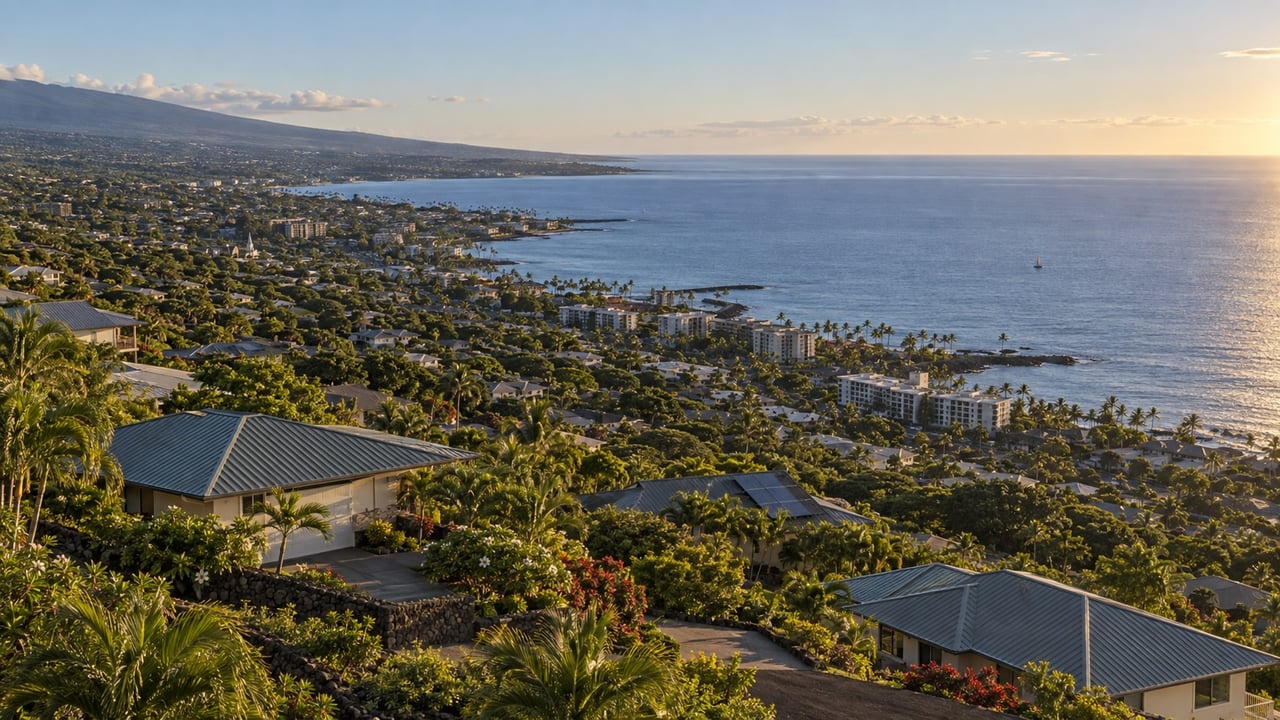
Most home improvement ROI guides are written for a generic mainland market. They tell you to finish the basement, upgrade the attic insulation, and install a smart thermostat. None of those apply in Kona. We do not have basements. Attic insulation is rarely the constraint in a climate where the challenge is heat and humidity, not cold. And while a smart thermostat will not hurt your sale, it is not what Kona buyers are making decisions around.
What buyers in this market care about is different, and the upgrades that protect your equity and accelerate your sale reflect that difference. After 35 years of transactions on the west side of the island, the patterns are clear. Here is what actually matters.
Key Takeaways
- Solar PV with battery storage is the single highest-ROI upgrade available to most Kona homeowners. HELCO rates average $0.40 per kilowatt-hour, and an owned system adds roughly 4.1% to property value. Hawaii's 35% state tax credit remains active in 2026 even though the federal 30% credit ended December 31, 2025.
- Lanai and outdoor living improvements are the most direct way to add usable square footage that Kona buyers actually value. A covered, well-designed lanai is not a nice-to-have here. It is central to how people use the property.
- Permit documentation is not an upgrade in the traditional sense, but unpermitted work is a material defect under Hawaii law that must be disclosed, and it routinely kills deals or forces price reductions. Resolving it before listing is one of the highest-return actions a seller can take.
- Termite treatment and a clean Termite Inspection Report are required for most transactions in Hawaii and paid by the seller. Having a documented treatment history and a clean current TIR removes a significant source of buyer anxiety.
- Roof condition and exterior paint have shorter cycles in Kona than on the mainland due to UV intensity and salt air. Both are among the first things buyers and inspectors notice.
- Things that do not apply in Kona: finished basements, attic insulation upgrades, open floor plan conversions, and most smart home technology. Do not spend money here based on mainland advice.
Solar PV with Battery Storage
Hawaii Electric Light Company (HELCO) rates on the Big Island average over $0.40 per kilowatt-hour in 2026, among the highest electricity costs in the country. That number is not a footnote. It is the primary reason solar PV has a genuine, documented ROI here that it does not have in most mainland markets.
The numbers as of 2026: the average solar system installed in Kailua-Kona runs approximately $32,421 before incentives for an 8.43 kilowatt system, the average system size here. The range is roughly $27,558 to $37,284. The average Kona homeowner saves approximately $37,221 over 25 years. Solar adds approximately 4.1% to property value based on Zillow's analysis of solar-equipped home sales nationwide, and Hawaii's high electricity costs make that figure conservative locally.
On incentives: the federal 30% Residential Clean Energy Credit ended December 31, 2025, under the One Big Beautiful Bill Act. It is gone for new installations in 2026. What remains is Hawaii's Renewable Energy Technologies Income Tax Credit, which allows residential owners to claim 35% of the cost of a qualifying solar system against their Hawaii state income tax. That is still substantial. A $32,000 system generates approximately $11,200 in state tax credit. Run the numbers with your tax advisor for your specific situation.
Two points that matter specifically for resale. First, the system must be owned, not leased. A leased solar system is a liability on a sale, not an asset. Buyers inherit the lease obligation, lenders treat it differently, and it complicates the transaction. If you have a leased system and are planning to sell, talk to us about the implications before you list. Second, battery storage is increasingly expected rather than optional. Buyers who understand the HELCO grid situation know that storage is what makes solar work as a whole-home solution. A battery-backed system is more attractive to buyers and commands a higher premium than panels alone.
One caveat specific to Kona: salt air at coastal properties accelerates corrosion on panel hardware and racking. If you are near the ocean, confirm your installation used marine-grade hardware. That detail matters both for system longevity and for buyer due diligence. At upper elevations in the Palisades and Holualoa, afternoon cloud cover reduces production during peak afternoon hours. Both factors are worth knowing when you are evaluating system performance or explaining it to a buyer.
Lanai and Outdoor Living
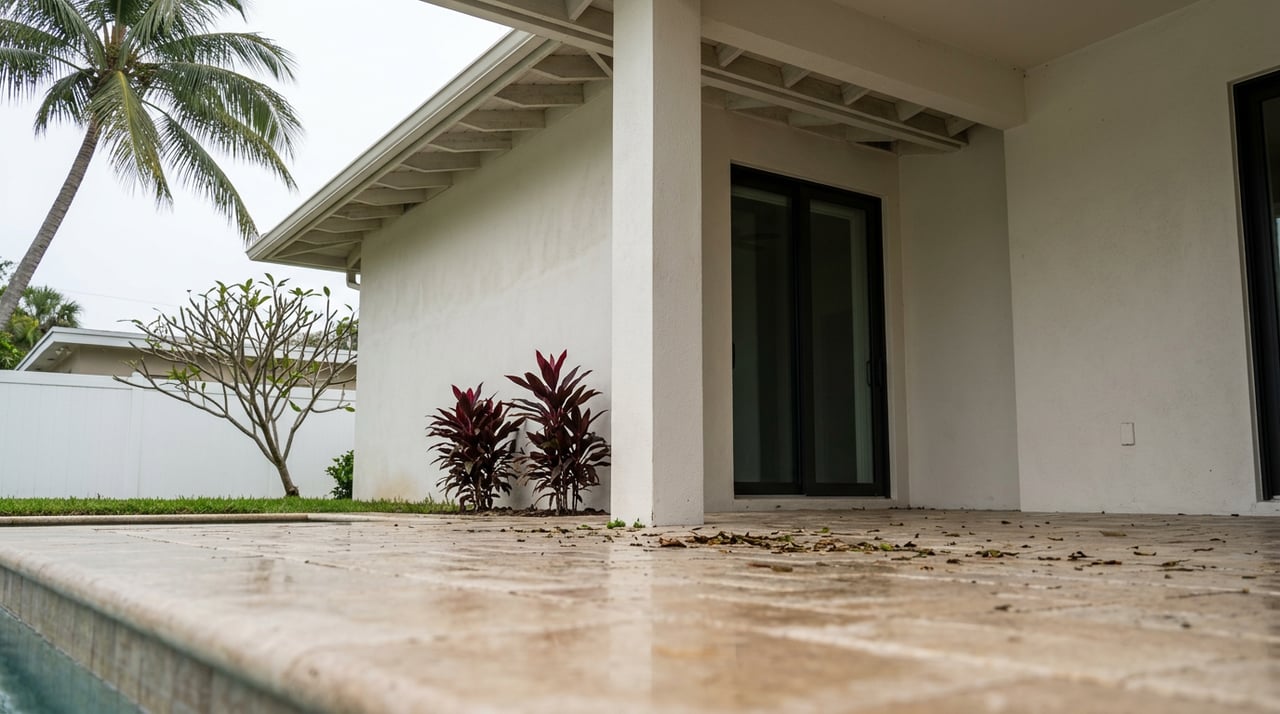
In most mainland markets, a deck or patio is an amenity. In Kona, the lanai is part of how the house functions. It is where people eat, where they watch sunsets, where they spend the evenings, where guests gather. A well-designed covered lanai extends the effective living space of a property in a way that directly affects buyer perception of value and livability.
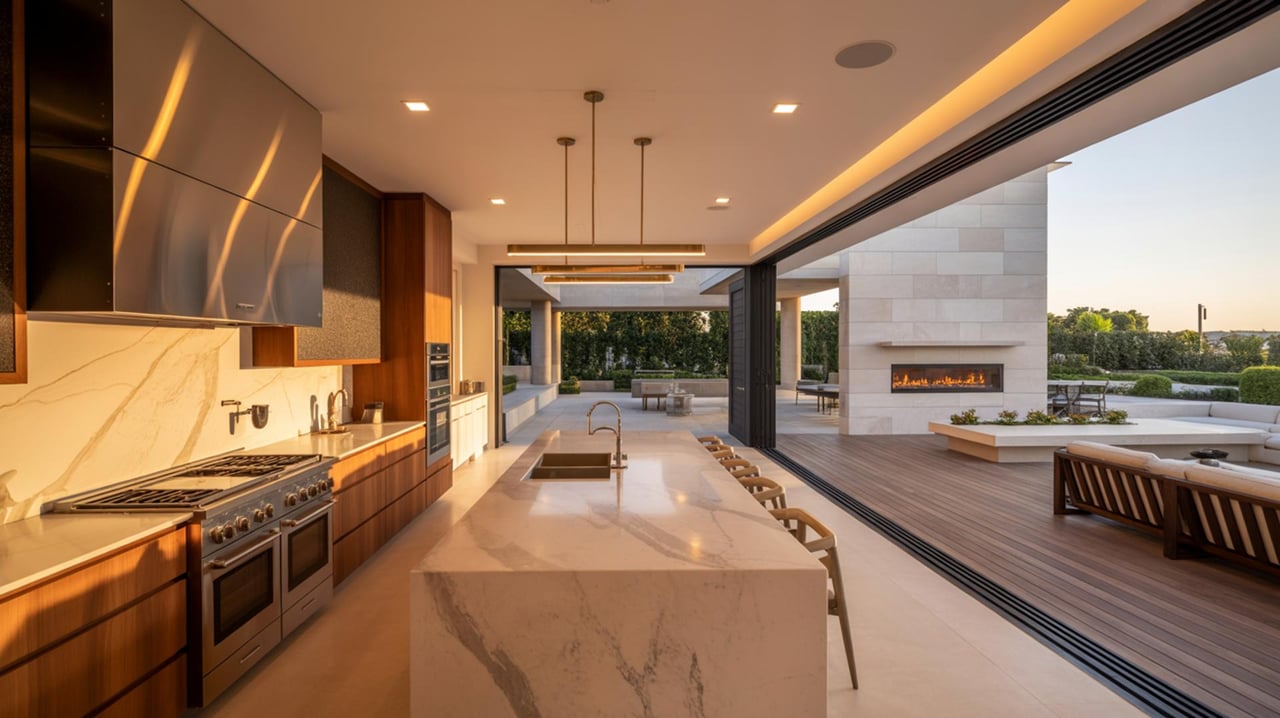
What buyers respond to: a lanai that is covered, large enough to use meaningfully, oriented toward the view or the ocean, and finished in a way that reads as part of the house rather than an afterthought. Screened lanais add function in areas with more insects. Outdoor kitchens or built-in BBQ areas are particularly effective for properties in the vacation rental market or properties targeting buyers who entertain.
What the investment looks like: a well-executed lanai improvement in Kona is not cheap because nothing is cheap here. Matson and Young Brothers raised shipping rates again in late 2025, and every sheet of decking, every ceiling fan, every fixture costs more to get here than it would on the mainland. Budget 10 to 15% above mainland estimates for any materials-intensive outdoor project. But the return is real. A property with a good lanai competes differently in this market than one without.
One important note: any structural addition or enclosure requires permits. A covered lanai addition that was not permitted is an unpermitted structure that must be disclosed and that will come up on inspection. Permit your work. The cost of permitting upfront is a fraction of the cost of dealing with it at closing.
Permit Documentation: Get Your House in Order
This section belongs in any honest conversation about home value in Hawaii because unpermitted work is one of the most common deal-killers and price-reduction triggers in this market. Hawaii law under Chapter 508D requires sellers to disclose material defects, and unpermitted additions, conversions, and structures are material defects that must be disclosed on the Seller's Real Property Disclosure Statement. Buyers see them. Lenders see them. Inspectors flag them.
The practical consequences of unpermitted work range from negotiated price reductions to lender refusal to finance to buyers walking away. In a market where days on market for homes are already up 6% and condos up 59% year over year, a transaction that falls apart over unpermitted work costs you time you do not have to give back.
What to do before you list: pull the permits for your property from Hawaii County's building division. Verify that any additions, conversions, or structures on the property have corresponding permits and that those permits were finaled. If there are open or missing permits, consult with a contractor and a real estate attorney about what it takes to resolve them. In some cases it is straightforward. In others it requires retroactive permits, modifications, or disclosure strategies that are best handled before you are in escrow rather than after. Our post on building a disclosure packet for a Kona sale covers this in more detail.
Termite Treatment and Documentation
The Hawaii Association of Realtors standard Purchase Contract requires a Termite Inspection Report for most transactions, and it is customarily ordered and paid for by the seller. The TIR is only valid for 15 days after issuance, so it is done close to closing. If the report shows active infestation, the seller is required under the standard contract to order and pay for the recommended treatment.
What sellers can do proactively: maintain a documented termite treatment history. Have treatments done by a licensed pest control company and keep the records. If you have had tenting done, keep that documentation. A seller who can produce a treatment history going back several years and a clean current TIR is presenting a fundamentally different picture to a buyer than one who has no records and an unknown history.
Hawaii's climate is ideal for termites, particularly the Formosan subterranean termite and drywood species. The damage they cause to wood-frame structures is real and can be significant when left untreated. Buyers and their lenders know this. A clean termite history is not a selling feature that buyers talk about, but its absence is a negotiating point that sellers feel in their net proceeds.
Roof Condition
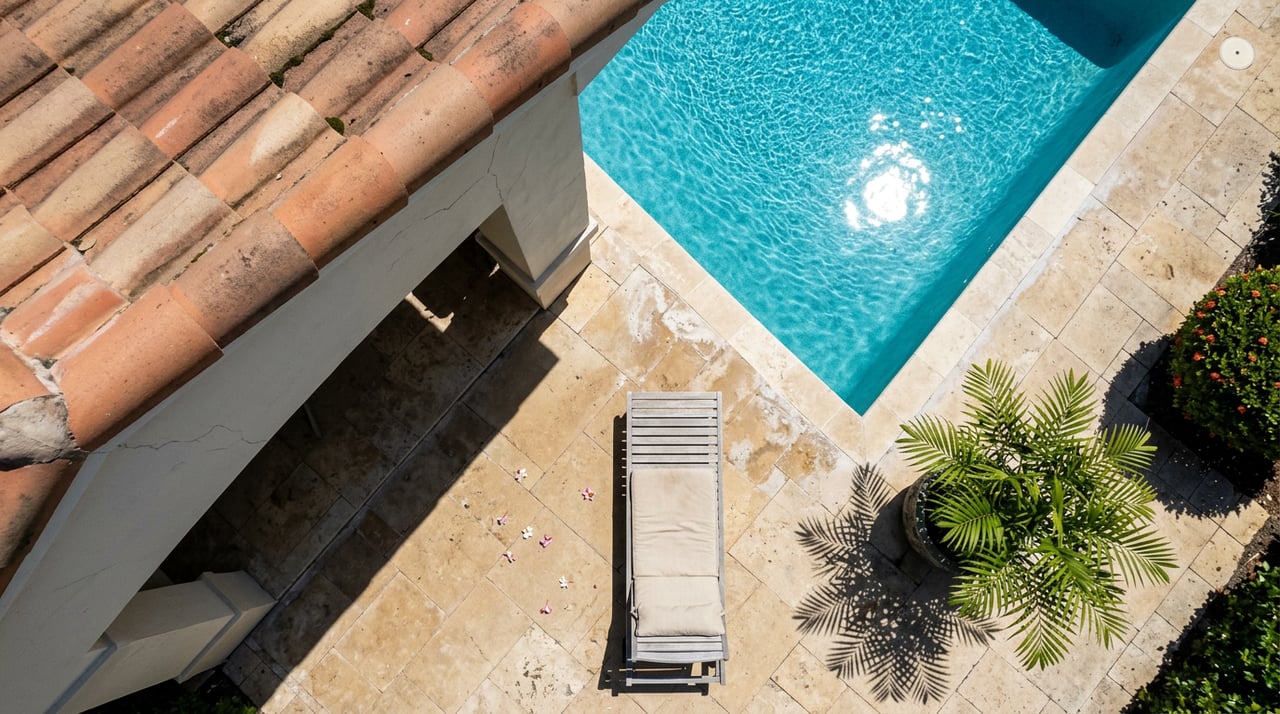
Kona's combination of UV intensity and salt air shortens roof life significantly compared to mainland environments. Asphalt shingles that would last 20 to 30 years in a mild mainland climate last 10 to 15 years in Kailua-Kona. Metal and tile roofs hold up much better, with lifespans of 30 to 50-plus years when properly maintained, but they are a bigger upfront investment.
For sellers, the practical question is whether your roof has enough remaining useful life to survive buyer scrutiny and lender review. A roof that is visibly deteriorated, has missing or damaged shingles, or has been patched repeatedly will come up on inspection. In some cases lenders will require roof repair or replacement as a condition of financing. In all cases it affects buyer confidence and gives buyers a negotiating point.
A roof replacement in Kona runs approximately $13,000 to $30,000 or more depending on size and material, with shipping and labor costs higher than mainland equivalents. If your roof is older than 12 to 15 years and asphalt, get it inspected before you list. Knowing what you have and addressing it on your terms is better than discovering the problem on a buyer's inspection report.
Exterior Paint
Fresh exterior paint is the classic low-cost, high-impact improvement for a reason. It signals maintenance. It photographs well. It makes a property look cared for. In Kona, it matters even more than in mainland markets because the exterior paint cycle here is shorter. UV intensity and salt air degrade standard exterior paints faster. A house that was painted five years ago on the mainland might look fresh. In Kona, it might look tired.
When repainting for sale, use products specifically formulated for coastal and tropical environments. UV-resistant and salt-resistant formulations with good mildew resistance are not optional here. They are what keeps the paint looking good through its intended cycle. Painting with the wrong product is money spent that will not hold.
Focus the investment on the exterior first, where it affects curb appeal and initial buyer impression. Interior paint matters too but is less Kona-specific. Fresh neutral interior paint is a good use of money if the current colors are dated or the walls show wear, but do not paint over problems you are required to disclose.
Kitchen and Bathroom Updates: The Standard Advice, Applied Realistically
Kitchen and bathroom updates add value in Kona the same way they do anywhere. Updated fixtures, fresh countertops, and functional modern appliances matter to buyers. What is different here is the cost. Every appliance, every cabinet, every fixture shipped to the Big Island carries a Matson or Young Brothers premium. Budget 10 to 15% above mainland cost estimates for any materials-heavy renovation.
The practical implication is that the return calculation is different. A $15,000 kitchen refresh that would add $20,000 in value on the mainland might cost $18,000 here for the same materials, compressing the margin. Focus on high-impact, lower-cost updates: hardware replacement, fresh paint inside cabinetry, a new faucet and fixtures, professional cleaning and staging. Full kitchen renovations before a sale need careful analysis in this market to confirm the math works at your specific price point.
What Not to Spend Money On
For Kona sellers, a few common mainland renovation recommendations do not apply and should not drive your pre-listing budget.
Finished basements: Hawaii homes do not have basements. This category does not exist here.
Attic insulation upgrades: relevant in cold climates where heating and cooling costs are the primary driver of energy use. In Kona, the energy cost issue is electricity for cooling at lower elevations and general consumption. Solar is the relevant response to that problem, not insulation upgrades.
Smart home technology: a smart thermostat, smart lighting, or home automation system will not move your sale price meaningfully in the Kona market. Some buyers will appreciate it. Most will treat it as a neutral feature. It is not a value driver here the way it is in markets where tech-forward buyers dominate.
Open floor plan conversions: removing walls is expensive, structural work requires permits, and the Kona buyer pool is not specifically driven by open floor plan preference the way mainland markets were during the 2010s renovation cycle. Spend the money elsewhere.
Frequently Asked Questions
Does solar actually add value when selling a home in Kona?
Yes, meaningfully, with important conditions. An owned solar system adds approximately 4.1% to property value based on Zillow's research, and Hawaii's high electricity rates make the utility savings argument to buyers straightforward. The system must be owned, not leased. A leased system is a liability on a sale because the buyer inherits the lease obligation. Battery storage adds to the appeal significantly. The federal 30% solar tax credit ended December 31, 2025, but Hawaii's 35% state Renewable Energy Technologies Income Tax Credit remains active for 2026.
What is the most important thing to fix before listing a Kona home?
Unpermitted work, if any exists on the property. It is a required disclosure under Hawaii law, it triggers buyer and lender concern, and it is one of the most common sources of renegotiation and failed transactions in this market. Pulling permits for your property and resolving any open or missing permits before you list removes a significant obstacle. If you do not know the permit status of additions or conversions on your property, find out before you list rather than during escrow.
How does the termite inspection work in a Hawaii real estate transaction?
The Hawaii Association of Realtors standard Purchase Contract requires a Termite Inspection Report, ordered by the seller and paid for by the seller. The buyer typically selects the inspector. The TIR is only valid for 15 days after issuance, so it is done close to closing. If active infestation is found, the seller pays for the recommended treatment under the standard contract. Maintaining a documented treatment history before listing gives you a stronger position and reduces the risk of a late-transaction surprise.
How long do roofs last in Kailua-Kona and when should a seller worry?
Asphalt shingles typically last 10 to 15 years in Kona, compared to 20 to 30 years on the mainland, because UV intensity and salt air accelerate degradation. Metal and tile roofs hold up significantly better at 30 to 50-plus years. If your asphalt roof is older than 12 to 15 years, have it inspected before listing. A deteriorated roof appears on inspection reports, can trigger lender requirements for repair before closing, and gives buyers a negotiating point. Addressing it on your terms before listing is better than discovering the problem in escrow.
Does a lanai really affect sale price in Kona?
Yes. In a market where indoor-outdoor living is central to how buyers use and value a property, a well-designed covered lanai with a meaningful view orientation is a direct value driver. It extends usable living space in the way that buyers here specifically want. Properties with good lanais compete differently than those without. The investment in improving or adding a covered outdoor space has a clearer return in Kona than most other cosmetic improvements, provided the work is permitted and properly executed.
Do renovation costs really run higher in Kona than on the mainland?
Yes, meaningfully so. Matson and Young Brothers raised shipping rates again in late 2025. Every appliance, every sheet of drywall, every fixture that comes to the Big Island carries a shipping premium. Budget 10 to 15% above mainland cost estimates for materials-intensive projects. This does not mean renovations are not worth doing, but it changes the ROI math and means the targeted, high-impact improvements in this post generally outperform broad renovation projects for pre-sale purposes.
If you are preparing to sell a Kona property and want to talk through which improvements make sense for your specific situation and price point, that is exactly the kind of pre-listing conversation we have with sellers regularly. Reach out to us at Kona Homes for Sale or call 808-854-5432.
Mark Davis, Esq. is a licensed real estate broker (RB-23769) with Kona Homes for Sale at Coldwell Banker Island Properties, Kailua-Kona, Hawaii. He practiced as a transactional and litigation real estate attorney for 35 years before moving to the Big Island full time. He currently serves as a member of the Hawaii County Real Property Tax Board of Appeal.
Brenda Kuessner holds the ABR, CRS, e-PRO, GRI, and GREEN designations and has sold real estate on the Big Island for 35 years. Together they serve buyers and sellers across the Kona and Kohala Coast market. This post is for general informational purposes only and does not constitute legal or tax advice.