Selling a home in the Kona Palisades or the broader North Kona uplands is not the same as selling a condo on Ali'i Drive or a property in a resort community. The buyer pool is different, the preparation priorities are different, and the things that add value here are not the things that drive prices in coastal Kona. This guide walks through the preparation and sale process for upland North Kona sellers, from the early steps that most sellers skip to the specific things Palisades buyers care about most.
Key Takeaways
- Pricing a Kona Palisades home requires comps from the same elevation band and subdivision character. Applying coastal Kona comps or town comps to an upland property consistently produces the wrong number.
- Permit review should happen before you list, not during escrow. Unpermitted improvements are a disclosure obligation and can complicate financing. Find out what you have before a buyer's lender does.
- The buyer pool for upland North Kona skews toward mainland buyers, retirees, and lifestyle buyers who value space, cooler temperatures, and a quieter residential feel. Marketing that connects to those motivations outperforms generic listing copy.
- Utilities are a buyer concern in the Palisades in a way they are not on the coast. Be prepared to document your water source, wastewater system, and any recent service or inspection records.
- The disclosure packet is your first impression with a serious buyer. A complete, well-organized set of disclosures builds confidence. Missing or incomplete disclosures create suspicion.
Step One: Understand What You Are Actually Selling
The first job before you do anything else is to understand what a buyer is actually buying when they buy your property. In the Kona Palisades, that is usually some combination of: elevation and the cooler temperatures it brings, space and privacy relative to town or coastal Kona, ocean views from above, and a quieter residential character that is still within reasonable distance of town services. Those are the things buyers in this market are specifically looking for. They are not looking for beach access. They would be buying in Keauhou if that were the priority.
That framing should shape everything that follows: how you price, what you prepare and repair, how the listing is written, and what photography emphasizes. A Kona Palisades home that markets itself around its interior finishes and ignores the view, the elevation, and the lot will underperform. A home that leads with what makes it specific, the elevation, the morning view, the feel of the property, will attract the buyers who are actually looking for it.
Step Two: Pull Your Permits Before Anyone Else Does
Before you do anything else to prepare the property, pull the permit records for your home through Hawaii County's Building Division using your Tax Map Key number. This step catches sellers off guard more than almost anything else in a Kona transaction. In the Palisades and throughout North Kona, additions, lanai enclosures, ohana units, solar installations, and accessory structures were commonly built without permits, particularly on older properties. That history does not disappear when you sell.
Unpermitted improvements are a disclosure obligation. They can also create financing complications if a buyer's lender flags them during underwriting, which it increasingly does. Knowing your permit status before you list gives you options: pursue retroactive permits, price to reflect as-is condition, or prepare to disclose clearly. What does not work is discovering unpermitted work mid-escrow when a buyer's appraiser or lender has already flagged it. That is the moment when deals fall apart or prices renegotiate downward.
For more on what needs to be documented before you list, see our post on building a complete disclosure packet for Kona sellers.
Step Three: Document Your Utilities
Utility documentation matters more in the Palisades than in most other Kona markets because the infrastructure varies significantly by address. Buyers and their lenders ask about water source, wastewater system, and system condition in a way they do not typically ask for properties on county water and sewer.
If you are on catchment water, have recent water quality test results available: bacteria, nitrates, and pH at minimum. Make sure your storage tank, first-flush diverter, and filtration equipment are in good working order and recently serviced. If you are on septic, locate your permit and as-built plans and note when the system was last pumped and inspected. If the property has a cesspool, understand the state's upgrade timeline requirements and be prepared to discuss them with buyers.
Having this documentation organized before you list is not just about compliance. It signals to serious buyers that you know your property and have maintained it. That confidence translates directly into fewer negotiation requests during the due diligence period.
Step Four: Price to Your Elevation and Subdivision
Pricing a Kona Palisades home is one of the places where working with a local agent who knows the upland market specifically matters most. The Palisades is not one market. It is a series of micro-markets stratified by elevation, subdivision character, lot size, and view. A home in Kona Highlands at 1,400 feet with ocean views does not comp against a home in a lower Palisades Estates subdivision at 700 feet, even if they are similar in square footage. The elevation difference alone changes the buyer profile and the price ceiling.
Overpricing based on coastal comps or recent peak-market sales is the most common pricing mistake upland sellers make. The Kona market has normalized from its 2021-2022 highs, and buyers in 2026 are comparing multiple properties with more time and more negotiating room than they had at the peak. Pricing to current closed comps in your specific elevation band and subdivision is the path to a sale. Pricing to where the market was two years ago is the path to a price reduction.
Step Five: Prepare the Property for the Buyer Who Is Actually Coming
The typical serious buyer for a Kona Palisades home is doing extensive research online before they ever schedule a showing. Many are on the mainland. They are comparing properties across elevation bands and neighborhoods, reading about lava zones and utilities, and making decisions about whether to fly over based largely on what they see in the listing. That means your listing photos and marketing content need to do more work than they would in a market where buyers drive by on Saturday afternoons.
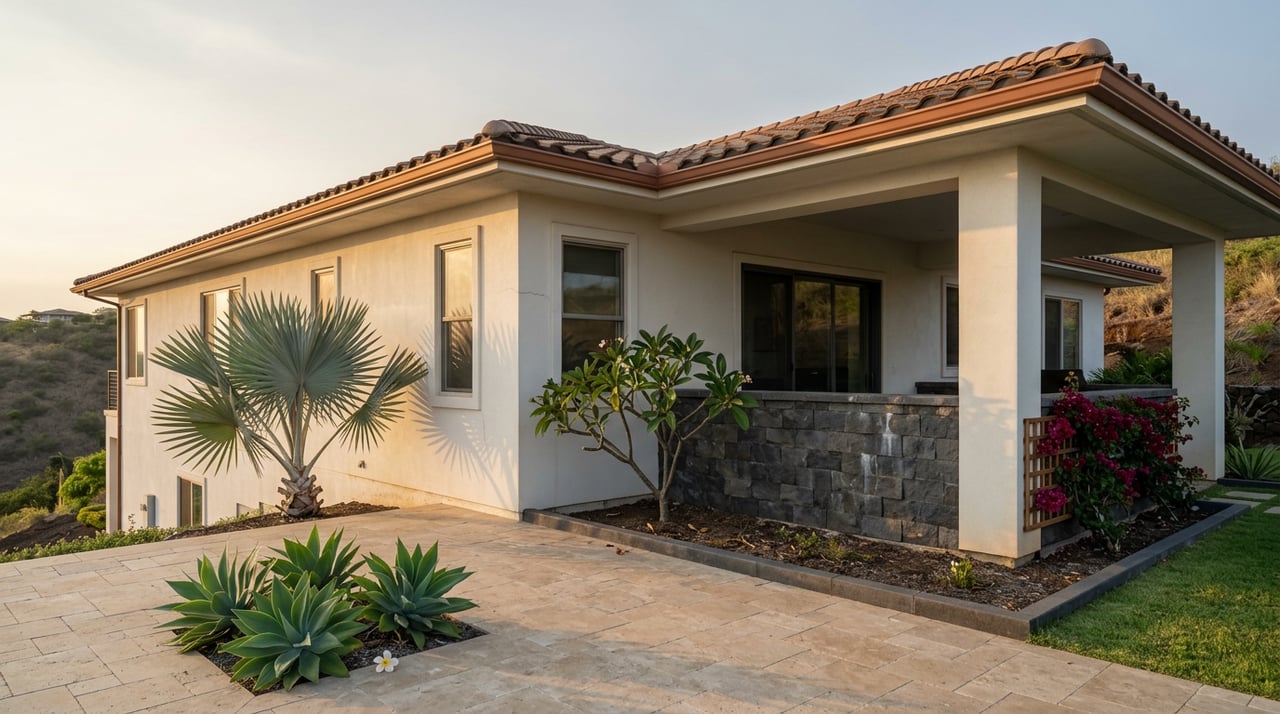
Outside: photograph the view from every vantage point on the property. Show the lot. If you have coffee trees, fruit trees, or a garden, photograph them. Those features are a significant part of the appeal for buyers choosing upland Kona. Show the approach and the access road accurately. A buyer who arrives for a showing and feels the photos misrepresented the property is not going to close confidently.
Inside: the priorities are cleanliness, light, and function. In the Palisades, older homes with good bones but dated interiors often sell well when the seller has simply decluttered, deep-cleaned, and made the home feel well-maintained. Buyers looking at upland Kona are generally not expecting resort finishes. They are evaluating whether the home has been cared for, whether the systems work, and whether the lot and setting match what they came for.
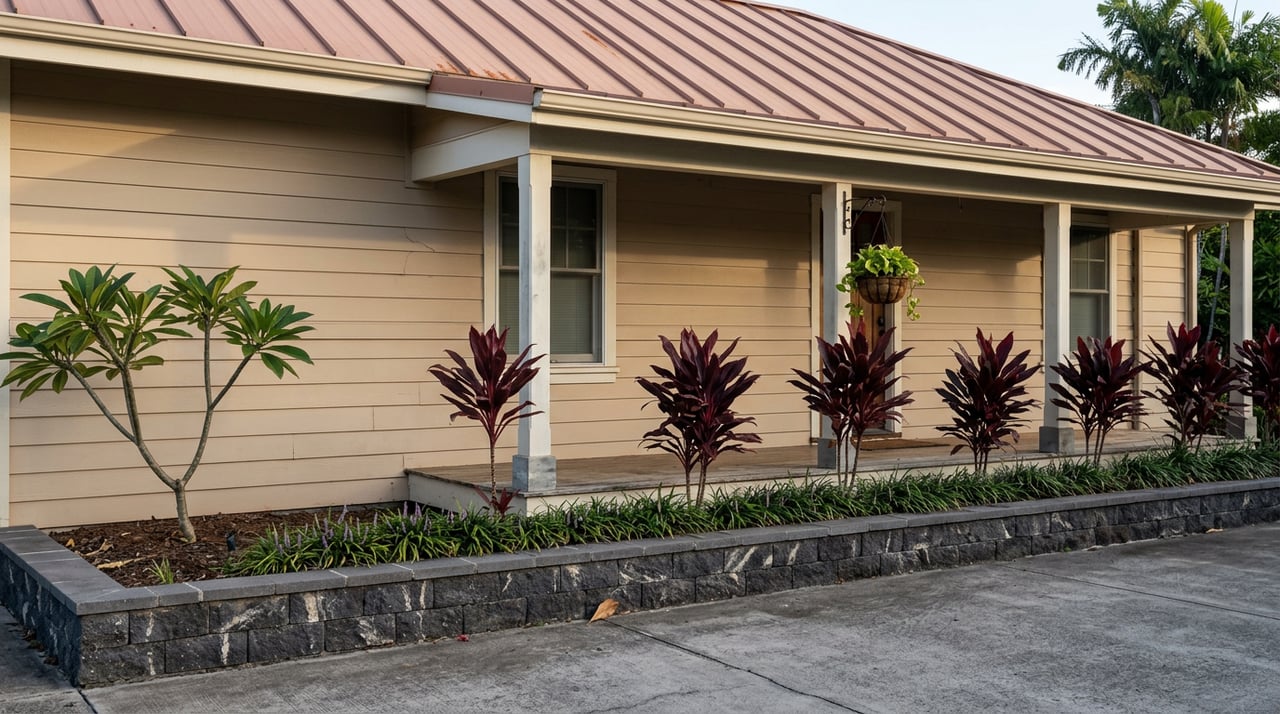
Deferred maintenance is priced in during negotiations, and it is priced in pessimistically. Completing small, visible maintenance items: fresh exterior paint where needed, repaired screens, functioning hardware, before listing is almost always a better investment than leaving them for a buyer to discount during their inspection period.
Step Six: Build Your Disclosure Packet Before You List
In Hawaii, sellers are required to disclose known material defects and conditions that affect the property. The Seller's Real Property Disclosure Statement is the standard form, but a complete disclosure packet goes beyond the form. For a Palisades property, that means documenting: the property's lava zone designation, water source and system condition, wastewater system type and service history, permit status for any improvements, HOA documents if applicable, and any known issues with drainage, slope, or prior repairs.
A complete, well-organized disclosure packet does two things for a seller. It reduces the legal exposure that comes from undisclosed defects surfacing after closing. And it signals to buyers that you are a prepared, serious seller, which reduces the volume and aggressiveness of due diligence requests and makes for a smoother escrow. Buyers who receive thorough disclosures upfront are less likely to issue repair requests for items they already knew about. Buyers who receive incomplete disclosures go looking for problems.
Step Seven: Work With a Team That Knows the Upland Market
The Kona Palisades is a market that rewards local knowledge. Knowing which subdivisions are active, which elevation bands are getting the most buyer interest, which recent comps are actually comparable, and which inspectors and contractors perform well on upland properties all affect how a sale goes. An agent who primarily works the coastal condo market will not bring the same value to a Palisades seller that an agent with deep upland experience will.
Mark's background as a real estate attorney adds a specific layer of value in transactions that involve unpermitted improvements, complex title conditions, easements, or any situation where the legal and factual picture needs careful review before and during escrow. Those situations come up more often in the upland and rural Kona market than in established coastal developments. Having that background on your side means issues get identified and addressed before they become deal-killers.
Frequently Asked Questions
How is selling a Kona Palisades home different from selling in coastal Kona?
The buyer pool, the preparation priorities, and the pricing methodology all differ. Palisades buyers are typically seeking elevation, space, cooler temperatures, and a residential neighborhood feel rather than beach access. Pricing requires upland comps from the same elevation band. Utilities need to be documented more thoroughly. And marketing needs to connect with the specific lifestyle the property offers rather than generic Kona messaging.
Should I make improvements before listing my Kona Palisades home?
It depends on the permit history and condition. Before spending money on improvements, pull your permit records. Unpermitted work creates disclosure obligations and can complicate financing. For the property itself, completing deferred maintenance: painting, repairs, systems that do not work, is generally worth more than cosmetic upgrades. Buyers in this market are evaluating the property's condition and potential, not resort-level finishes.
What utility information do buyers ask about in the Kona Palisades?
Water source and wastewater system are the two most common areas of buyer inquiry, followed by broadband and cell coverage for buyers who work remotely. If you are on catchment water, have recent water quality test results ready. If you are on septic, know your pump-out history and have the as-built documentation. If the property has a cesspool, understand the state's upgrade requirements and be prepared to discuss them.
How should I price my Kona Palisades home in the current market?
Price to current closed comps from the same elevation band and subdivision type, not to peak 2021-2022 prices or to coastal Kona comps. The market has normalized and buyers in 2026 have more options and more negotiating room than they did at the peak. A realistic price generates the activity that leads to offers. An aspirational price generates time on market and a subsequent price reduction, which costs more in the end.
Who are the buyers for upland North Kona homes?
Primarily mainland buyers, retirees relocating to Hawaii, and lifestyle buyers who have been visiting the Big Island for years and are ready to make the move. A meaningful number are remote workers who value the cooler temperatures and space. Most are not local buyers. Many will not visit the property in person before making an offer, which makes listing photography and virtual marketing more important here than in a market where buyers drive around on weekends.
What is the most important thing to do before listing a Kona Palisades home?
Pull your permit records. It is the step most sellers skip and the one that causes the most problems mid-transaction. Knowing your permit status gives you time to address issues or price accordingly before you are on the market and on the clock. Everything else in the preparation process is easier when you already know what you have.
If you are thinking about selling your North Kona or Kona Palisades home and want a frank conversation about pricing, preparation, and what the current market looks like for your specific area, reach out to us at Kona Homes for Sale or call 808-854-5432.
For related reading: our post on building a complete disclosure packet covers what needs to be documented before you list, and our guide to virtual tours for upland Kona sellers covers how mainland buyers evaluate properties they have not seen in person.
Mark Davis, Esq. is a licensed real estate broker (RB-23769) with Kona Homes for Sale at Coldwell Banker Island Properties, Kailua-Kona, Hawaii. He practiced as a transactional and litigation real estate attorney for 35 years before moving to the Big Island full time. He currently serves as a member of the Hawaii County Real Property Tax Board of Appeal. Brenda Kuessner holds the ABR, CRS, e-PRO, GRI, and GREEN designations and has sold real estate on the Big Island for 35 years. Together they serve buyers and sellers across the Kona and Kohala Coast market. This post is for general informational purposes only and does not constitute legal or tax advice.