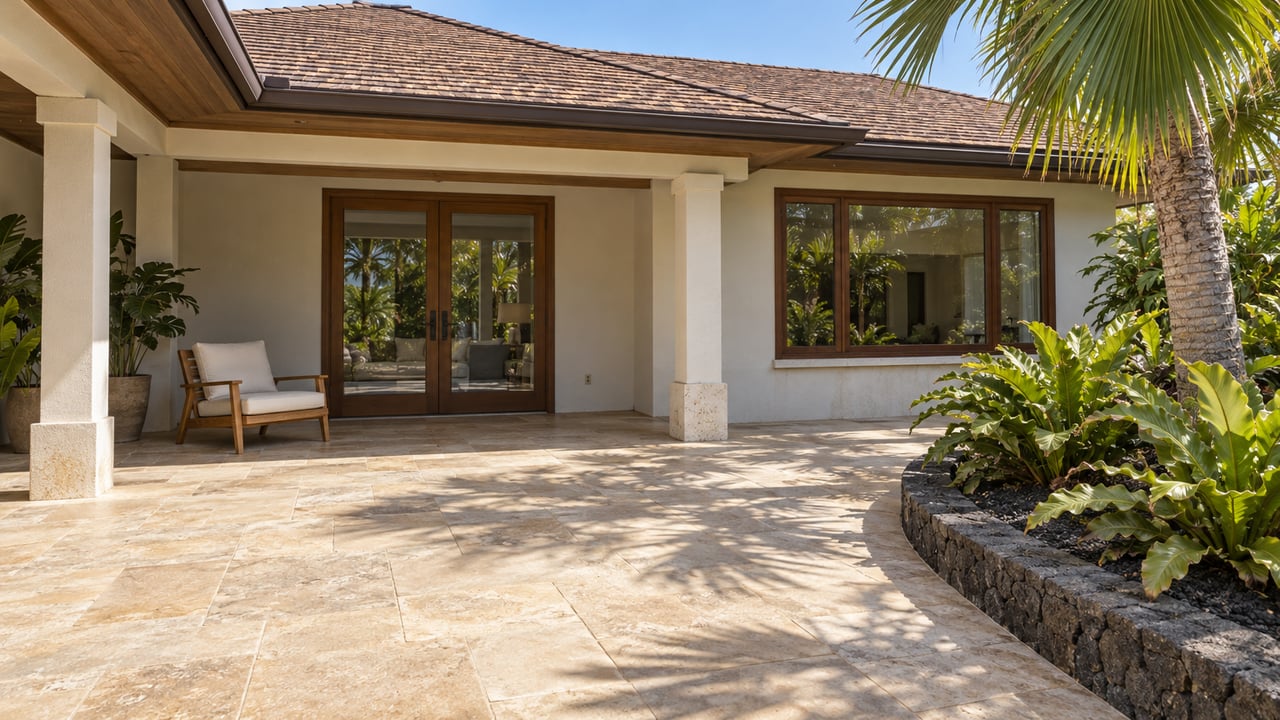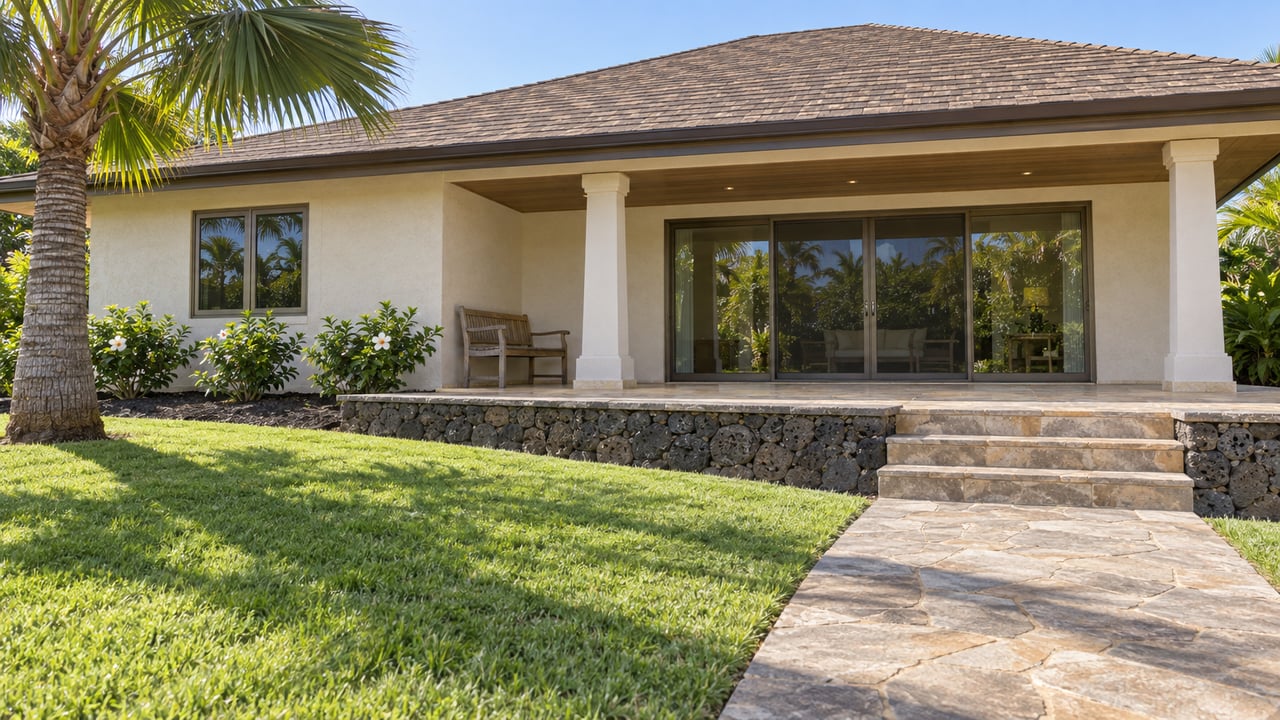
You are looking at a listing in Kona. Single family home, good lot, reasonable price. Then you notice two words in the listing details: CPR unit, and you have no idea what that means.
You are not alone. CPR is one of the terms that trips up almost every buyer coming from the mainland, and honestly, it trips up a fair number of Hawaii buyers too. It sounds like it might be related to condominiums in the traditional sense. A high-rise, maybe. A building with a lobby and a homeowners association arguing about paint colors.
It is not. Or at least, it does not have to be.
Here is the short version: a CPR unit is a separately owned piece of real property that shares a parcel with at least one other unit. You own your unit outright, with your own deed, your own mortgage, your own tax bill. But the land underneath everything is legally held in common with the other unit owners, and the whole arrangement is governed by Hawaii's condominium law under Chapter 514B of the Hawaii Revised Statutes.
I spent 35 years as a real estate attorney before Brenda and I started selling property in Kona together. CPRs are a Hawaii-specific legal structure that I dealt with throughout my legal career, and they come up constantly in the Kona and Kohala coast market. They are common, they are legitimate, and they are genuinely useful in a state where land is expensive and full fee simple subdivision can be expensive and slow. But they do have characteristics that every buyer needs to understand before making an offer.
Key Takeaways
- A CPR unit is legally a condominium, but it does not have to look or function like one. A single family home on a lot with one other home can be a CPR.
- Each CPR unit gets its own deed, Tax Map Key number, mortgage, and property tax assessment. You own it as separate property.
- The underlying land is held in common with other unit owners, and the arrangement is governed by a recorded declaration and bylaws.
- CPR is not the same as subdivision. It does not change zoning, density rights, or what can be built on the property.
- Mainland lenders sometimes struggle with CPR financing. Local Hawaii lenders are significantly more comfortable with the structure.
- Due diligence on the CPR documents (declaration, bylaws, association financials) is essential before you commit to a purchase.
Why Hawaii Has So Many CPRs
To understand why CPRs exist in such numbers here, you have to understand Hawaii's land situation. Land is expensive. It is scarce. Minimum lot sizes in many zoning districts make traditional subdivision difficult or impractical, particularly in agricultural zones where you might need five or ten acres to create a new separate parcel.
The CPR mechanism, governed by state law rather than county subdivision rules, offers a different path. A landowner who wants to separate two structures on a single parcel and sell them independently does not need to go through the county subdivision approval process. They submit the property to the condominium property regime under state law, record the required documents, and each unit gets its own legal identity.
This has been going on long enough in Hawaii that CPRs cover a wide range of property types: high-rise condominium buildings in the traditional sense, oceanfront resort properties, apartment complexes, agricultural parcels, and single family homes on lots with one other house. On the Big Island, the last category is particularly common. Two homes on a rural parcel, each with its own driveway access, each owned independently. That is a CPR.
The original intent of the law, as it developed in Hawaii, was actually quite practical. It gave families a way to legally separate structures on a property and deed them to children or relatives without going through full subdivision. It also allowed groups of buyers to pool resources and purchase large parcels together, then own their individual portions as separate fee simple units. These are still common use cases today.
What You Actually Own in a CPR
When you buy a CPR unit, you own the unit exclusively. That means your structure, the land area designated to your unit in the condominium map, and any limited common elements assigned specifically to you. Things like a private driveway section, a yard area, a parking space.
What you share with the other unit owners are the common elements: typically the underlying land as a whole, any shared driveways or access roads, shared utilities or infrastructure, and whatever else the declaration designates as common to the project.
Each unit gets its own Tax Map Key number, its own deed, its own property tax assessment from Hawaii County, and its own mortgage. You are not joint owners of a property with a neighbor. You are separate property owners whose ownership interests are defined by a recorded legal document. For a full breakdown of how Hawaii County calculates those bills, see our Hawaii County property tax guide.
The association of unit owners, which all CPR projects technically have under Hawaii law, represents the collective interests of the owners on shared matters. In a two-unit CPR, this can be very informal. In a larger project it can look and function more like a traditional condominium association with monthly fees, a formal budget, a reserve fund, and regular meetings.
CPR Is Not Subdivision
This is worth saying clearly because the confusion between the two causes real problems in transactions.
CPRing a property does not subdivide it. The county still sees the underlying parcel as a single lot for purposes of zoning, building permits, lot coverage calculations, setbacks, and density. If you are in an agricultural zone that requires a minimum of five acres per parcel, creating a CPR does not change that. The land is still one parcel from the county's perspective.
What the CPR does is create a legal ownership structure that allows separate sale and financing of units within that parcel. It does not grant new development rights. It does not allow you to build additional structures that county zoning would not otherwise permit. It does not change what the land can be used for.
This distinction matters in due diligence. When you are buying a CPR unit, you need to verify what the zoning actually allows on that parcel and confirm that the existing structures have valid permits and certificates of occupancy. The fact that the property has been CPRed tells you about the ownership structure. It tells you nothing about whether all the improvements were properly permitted.
The Financing Reality
This is where CPR properties require the most attention from buyers, particularly buyers coming from the mainland.
Mainland lenders frequently do not know what to do with a CPR. To their underwriting systems, anything labeled as a condominium triggers a condominium project review, which involves insurance requirements, reserve fund adequacy, owner occupancy ratios, and litigation checks. A two-unit CPR on a rural Big Island parcel with a casual association arrangement and no formal reserves can fail that review even if it is a perfectly sound property.
Hawaii-based lenders deal with CPRs constantly. They understand the structure, they understand that a residential CPR on the Big Island is not the same risk profile as a high-rise condominium building, and they have underwriting processes that accommodate the local market reality. If you are buying a CPR unit, starting with a local lender is not just a preference. In many cases it is the difference between a transaction that closes and one that does not.
FHA and VA financing have their own project approval requirements for condominiums, and not all CPRs meet those standards. If you are relying on government-backed financing, verify with your lender early in the process whether the specific CPR has the required approvals or whether they can be obtained.
One practical suggestion: before you write an offer on a CPR unit, ask your agent to confirm that a local lender has reviewed the CPR documents and is comfortable with the financing. Do not wait until you are in escrow to find out there is a problem.
What to Read Before You Buy
The CPR documents are not optional reading. They are the legal framework for everything you are purchasing.
The Declaration of Condominium Property Regime is the foundational document. It defines the units, the common elements, the limited common elements, each owner's percentage interest, voting rights, and the rules governing how the association makes decisions. It also covers what happens in disputes between unit owners and the circumstances under which the CPR can be terminated.
The Bylaws set out how the association operates: meetings, voting procedures, officer roles, budget process, and how assessments are levied. In a two-unit CPR this might be a brief document. In a larger project it can be substantial.
The House Rules, where they exist, cover the day-to-day conduct: parking, noise, pets, trash, short-term rental restrictions. Read these carefully. Some CPRs prohibit short-term rentals entirely. If you are buying with rental income in mind, discovering that restriction after closing is not a good day.
Association financials and meeting minutes tell you about the financial health and management of the association. Are there adequate reserves for shared infrastructure maintenance? Have there been special assessments in recent years? Are there any disputes between current owners? A well-run association with solid reserves is a positive signal. Thin reserves and a pattern of special assessments is a warning.
Title search and insurance for a CPR purchase should cover both the unit and the common elements. Ask the title company to walk you through any CPR-related exceptions or endorsements. Title insurers sometimes limit coverage on CPR parcels in ways that differ from a standard fee simple purchase.
The Family Protection Use Case
One use of the CPR structure that does not get enough attention is what it does for families in multi-generational ownership situations, and this is something I understand well from my years doing transactional real estate law.
Consider a common Hawaii scenario: parents own a large parcel. A child builds a second home on the same land, often with a loan secured by the whole property. If the parents and the child hold the property jointly, as tenants in common or in some other joint ownership, the child's financial problems can become the parents' problems. If the child defaults on a loan, files for bankruptcy, or goes through a divorce, the creditors, bankruptcy trustee, or a divorcing spouse can reach the parents' interest in the property.
CPRing the property separates the legal interests. Once the units are legally distinct, the child's unit is the child's, subject to the child's debts and legal exposure. The parents' unit is separate. A default, bankruptcy, or divorce judgment against one unit owner does not automatically attach to the other unit.
This is not a tax planning device and it is not a substitute for proper estate planning. But it is a genuine protective structure that Hawaii families use deliberately, and it is one of the reasons CPRs exist in so many non-commercial contexts on the islands.
Common Questions About CPR Units in Kona
What does "CPR'd" mean when I see it in a listing?
It means the property has been submitted to the condominium property regime under Hawaii state law. The unit you are looking at is separately titled and can be purchased independently, but it shares a parcel with at least one other unit and is subject to a recorded declaration and bylaws. Look for the declaration in the listing disclosures and read it before you make an offer. If you also see the word leasehold in the listing, that is a separate and equally important distinction. We cover that in our leasehold vs. fee simple guide.
Can I rent a CPR unit on Airbnb?
That depends on two things: the county's short-term rental rules for that area, and what the CPR declaration and house rules allow. Some CPR declarations prohibit short-term rentals. Others are silent on it. County permitting for short-term rentals on the Big Island has its own requirements regardless of CPR status. Do not assume that buying a CPR unit gives you rental flexibility. Verify both the CPR documents and the county's current rules before you purchase with that intent.
Is a CPR unit harder to sell later?
It can narrow your buyer pool slightly, primarily because of the mainland lender issue. A buyer who insists on using a mainland bank or a lender unfamiliar with CPRs may have trouble financing a purchase. But with a Hawaii lender and clean CPR documents, the transaction proceeds normally. Well-drafted declarations with clear maintenance responsibilities and a healthy association make the resale process significantly smoother.
Do CPR units have HOA fees?
It depends on the project. A two-unit CPR with a shared driveway and no other common infrastructure might have no fees at all, or a very minimal arrangement between the two owners. A larger CPR project with shared amenities, landscaping, and a formal association will have regular assessments. Review the budget before you buy.
Can a CPR be converted back to a single fee simple lot?
It can, but it is not simple. Terminating a CPR generally requires agreement from all unit owners, compliance with the termination provisions in the declaration, and new legal steps to re-record the property as a single parcel. Do not plan a CPR purchase around an easy future conversion. If converting is part of your exit strategy, get a real estate attorney to advise you on the feasibility for the specific property before you buy.
Before You Make an Offer
A CPR unit on the Big Island can be a sound purchase. They are common, they are well-understood by the local market, and they often provide access to property at a price point that fee simple equivalents do not offer. But they require more due diligence than a standard fee simple transaction, and the due diligence needs to happen before you are in escrow, not during it.
The checklist that matters: read the declaration and bylaws before you make an offer, confirm that a local lender is comfortable with the financing, verify that existing improvements have valid permits, review the association's financials and minutes if they exist, and make sure you understand what the common elements are and who is responsible for maintaining them.
Brenda and I handle CPR transactions regularly in the Kona and Kohala coast market. It is the kind of transaction where having an agent who understands the documents, and in my case has spent decades working with them from the legal side, makes a real difference in what you find during due diligence. If you are looking at a CPR property and want a second set of eyes on the documents before you commit, feel free to reach out. That is exactly the kind of thing we do.
Mark Davis, Esq. is a licensed real estate broker (RB-23769) with Kona Homes for Sale at Coldwell Banker Island Properties, Kailua-Kona, Hawaii. He practiced as a transactional and litigation real estate attorney for 35 years before moving to the Big Island full time. He currently serves as a member of the Hawaii County Real Property Tax Board of Appeal. Brenda Kuessner holds the ABR, CRS, e-PRO, GRI, and GREEN designations and has sold real estate on the Big Island for 35 years. Together they serve buyers and sellers across the Kona and Kohala Coast market. This post is for general informational purposes only and does not constitute legal or tax advice.