Buying your first home in Kaiminani can feel exciting and a little overwhelming at the same time. You may be trying to balance budget, property type, and island-specific details that do not always come up in other markets. This roadmap will help you understand what to look for, how to budget, and which local issues matter most before you buy. Let’s dive in.
What First-Time Buyers Should Know
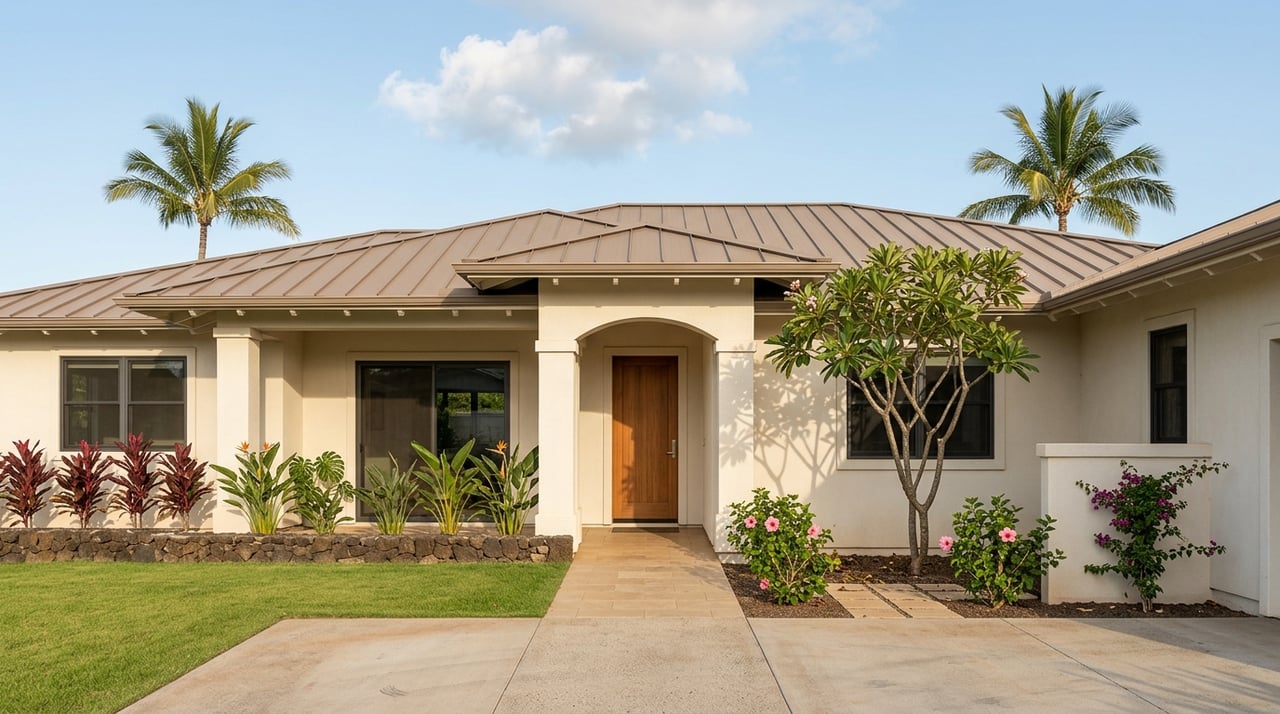
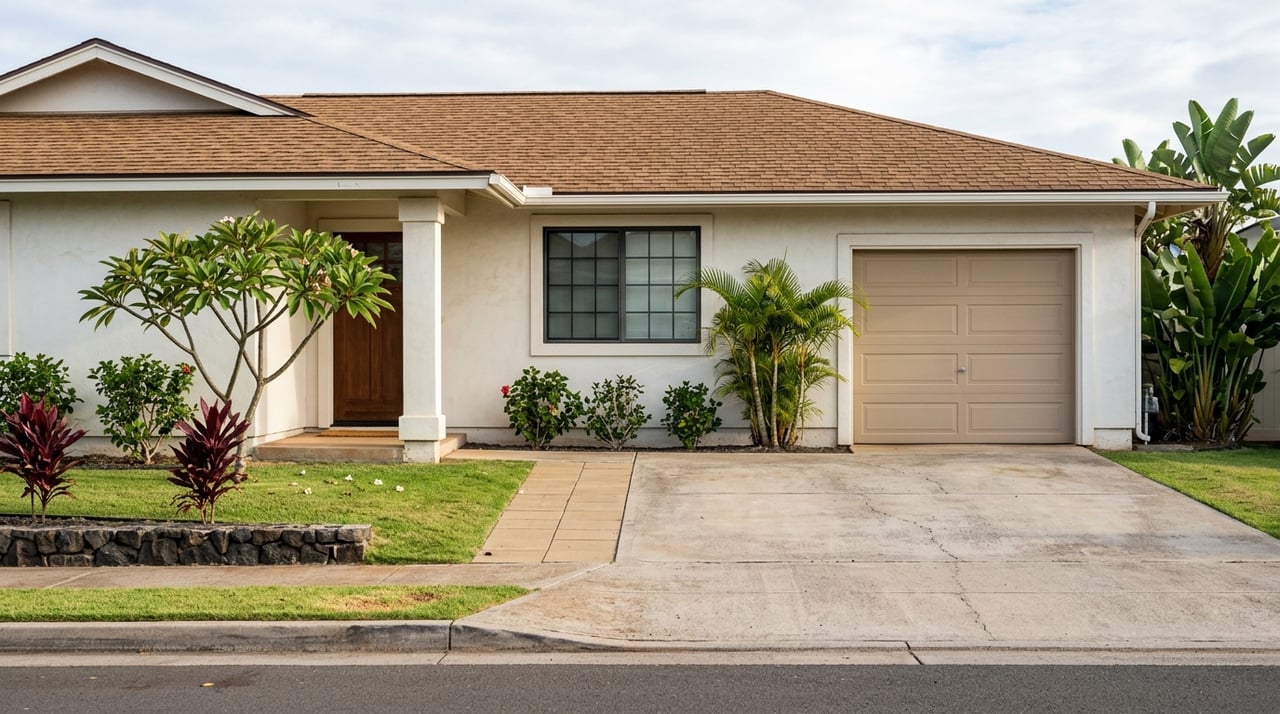
Kaiminani sits within the broader Kailua-Kona and North Kona market, and it often looks different from what first-time buyers expect. Based on local property examples, you may be choosing among detached homes with yards instead of a neighborhood dominated by condo inventory.
One Kaiminani property report shows a 4-bedroom, 3-bath home with 2,268 square feet on a 10,052-square-foot lot, built in 2002, with no HOA listed. Nearby examples in that same report ranged from about 1,600 to 3,100 square feet on lots of roughly 10,000 to 22,000 square feet. That gives you a useful picture of the area’s practical housing mix.
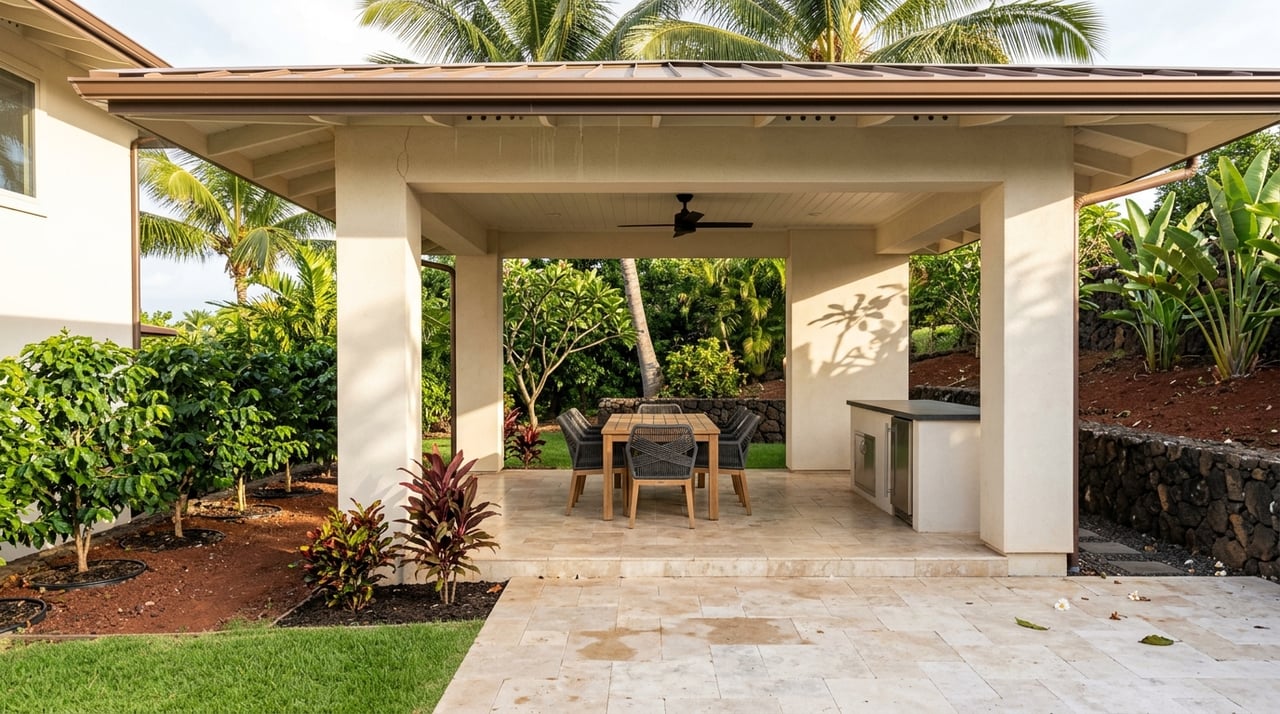
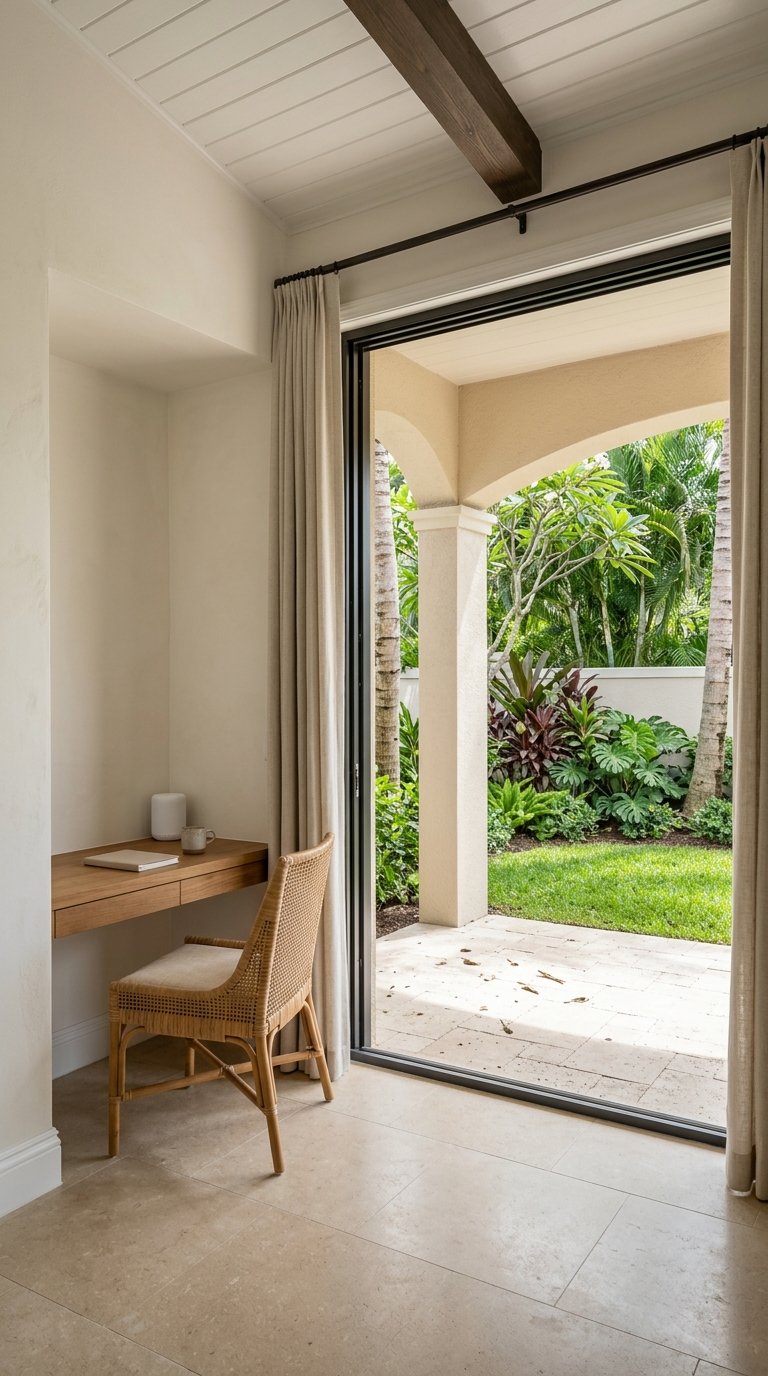
You may also see features that fit Kona living well, such as lanais, trade-wind airflow, ocean views, or flexible guest space. For a first-time buyer, that can mean a home that supports visitors, work-from-home needs, or a multigenerational setup.
Future Housing May Change Options
The County of Hawaiʻi is studying the Kaiminani Drive Workforce Housing project, which is still in early feasibility and planning. County materials say the concept covers about 27.5 acres of State land and is intended to provide both homeownership and rental opportunities for households earning up to 140% of Area Median Income.
The current concept includes leasehold single-family lots above Ane Keohokālole Highway and multi-family rental units below it. For you, that means future Kaiminani opportunities may include more affordable or income-restricted housing that differs from open-market inventory.
Build Your Budget Around Cash to Close
A common first-time buyer mistake is focusing only on the monthly mortgage payment. A smarter approach is to start with your total cash to close and then work backward.
A useful budgeting baseline is to set aside funds for more than just your down payment. Closing costs commonly run about 2% to 5% of the purchase price, and you should also account for moving costs, planned upgrades, and an emergency cushion.
That matters in Kaiminani because two homes at different price points can come with very different repair and maintenance needs. A home with more yard space, older systems, or deferred upkeep may require more cash early on than a newer or better-maintained option.
Hawaii-Specific Closing Costs Matter
Hawaiʻi has local closing mechanics that first-time buyers should understand. The Bureau of Conveyances is the statewide recording office for real property title documents, and it recommends using a licensed legal professional or title company for conveyance documents.
Its fee schedule lists $36 for Land Court recordings up to 50 pages and $41 for Regular System recordings up to 50 pages, with higher fees for longer documents. These are not usually the largest line items in your closing costs, but they are part of the Hawaii-specific expenses you should expect.
Property Taxes and Home Exemptions
County taxes should also be part of your planning. Hawaiʻi County defines a principal home as your true, fixed, permanent home, and you generally must maintain and occupy the home in the County while filing as a full-time Hawaiʻi resident.
The County also provides an additional 20% exemption of assessed value up to $100,000 for qualifying homes. Real property taxes are billed and collected on a six-month schedule, so it helps to understand how that timing may affect your annual housing costs.
Match Your Wish List to Kaiminani
Before you tour homes, separate your must-haves from your nice-to-haves. In Kaiminani, that might include bedroom count, yard size, lanai space, breeze exposure, guest flexibility, and whether you prefer a property with no HOA.
It is also smart to decide early whether leasehold could work for you. With the County’s future Kaiminani housing concept including leasehold single-family lots, that question may become more important over time.
A clear wish list helps you move faster when the right property appears. It also keeps you from stretching your budget for features that matter less once you are living in the home.
Write Offers With Strong Protections
In Hawaiʻi, seller disclosures are important, but they are not a substitute for your own due diligence. State guidance says a material fact is any fact, defect, or condition that would be expected to measurably affect value.
The same guidance also makes clear that the disclosure statement is not a warranty and not a replacement for expert inspection or professional advice. For you, that means your offer should be structured around inspection, title, and document-review contingencies.
Title Review Is Essential
The Department of Commerce and Consumer Affairs says a title report is an indispensable tool for finding easements, covenants, restrictions, agreements, and liens that could materially affect value. In other words, title review is not optional in a Hawaiʻi purchase.
This step is especially important if you are relocating from the mainland and are less familiar with island property issues. Clear title review helps you understand exactly what you are buying before contingencies are removed.
HOA and Condo Documents Are Not the Same
If you buy a condo, the association should be able to provide documents and records such as the declaration, bylaws, house rules, financial statements, contracts, and ledgers. If you buy in a planned community, the legal framework is different from a condo, but association documents still matter.
For a non-condo property with an HOA, you should still request the declaration, association documents, budget, reserves, meeting minutes, rules, and any special assessments. Do not assume every Kaiminani property is governed the same way.
That point matters because one local single-family example listed HOA as not applicable. Some homes may have no association at all, while others may carry dues, rules, or future assessment risks.
Use Inspections to Catch Local Risks
The inspection period is where many first-time buyers either protect themselves well or take on avoidable risk. In Kaiminani and wider Kailua-Kona, your inspection checklist should reflect Hawaii-specific maintenance concerns.
County program materials identify termite or wood-rot damage, leaky roofs and drainpipes, and faulty electrical or plumbing as common repair categories. These are the kinds of issues worth checking closely before you remove contingencies.
Check Sewer and Cesspool Status Early
Wastewater is another issue that deserves early attention. The State Department of Health says cesspools are substandard systems, and Hawaiʻi requires replacement of all cesspools by 2050.
Hawaiʻi County also says there is currently no sewer connection charge except the plumbing permit cost, and owners of dwellings accessible to sewer must connect within 180 days after official notice. If a home has a cesspool now or may later receive a sewer notice, that can affect your repair budget and long-term planning.
For qualifying owners, the County’s Residential Repair Program may help with sewer connection costs, and the Home Improvement Loan Program may help eligible owner-occupants with certain repair needs. If you are buying with a tight budget, those programs are worth knowing about for future planning.
Due Diligence Goes Beyond Cosmetics
One of the best reminders for first-time buyers is that island due diligence goes deeper than finishes and staging. The County’s own due-diligence list for the Kaiminani Drive project includes archaeological inventory, topographic and boundary studies, environmental assessment, traffic impact assessment, utility availability, and soils analysis.
That does not mean every home purchase requires large-scale project studies. It does mean you should pay attention to access, utilities, ground conditions, and site-specific factors that can matter in Kona ownership.
A Simple Kaiminani Buying Roadmap
If you want a practical way to organize the process, use this step-by-step approach:
- Get preapproved and decide your true maximum cash to close.
- Set aside room for closing costs, moving expenses, and repair reserves.
- Split your wish list into must-haves and trade-offs.
- Decide whether HOA, no HOA, fee simple, or leasehold fits your goals.
- When writing an offer, request seller disclosures, the title report, and all association documents up front.
- Use the inspection period to evaluate roof, termites, plumbing, electrical, and wastewater status.
- Review your closing statement carefully before signing.
- After closing, file for any county homeowner exemption if the property will be your principal residence.
Why Guidance Matters for First-Time Buyers
A first purchase in Kaiminani is not just about finding a home you like. It is about understanding local property types, planning for cash to close, reading documents carefully, and knowing which island-specific issues can affect ownership later.
That is where experienced local guidance can make the process feel much more manageable. With the right support, you can move from uncertainty to a clear plan and make decisions with confidence.
If you are thinking about buying in Kaiminani or anywhere in Kona, Team Kuessner Davis can help you evaluate options, coordinate due diligence, and navigate the details with steady, concierge-level support. When you are ready to take the next step, connect with Kona Homes for Sale.
FAQs
Is Kaiminani mostly condos for first-time buyers?
- No. Local property examples in the research point mainly to detached single-family homes, and the County’s future concept also includes leasehold single-family lots.
What should first-time buyers budget for in Kaiminani?
- In addition to your down payment, plan for closing costs of about 2% to 5% of the purchase price, plus moving costs, planned repairs or upgrades, and an emergency cushion.
What documents matter most in a Kaiminani home purchase?
- Key documents include the seller disclosure statement, title report, and any HOA, planned-community, or condo association documents that apply to the property.
What local inspection issues should buyers watch for in Kaiminani?
- Pay close attention to termite or wood-rot damage, roof leaks, plumbing and electrical issues, and whether the home uses a cesspool or has sewer-connection obligations.
Are HOA rules and condo rules the same in Hawaiʻi?
- No. Condominiums and homeowner associations follow different legal frameworks, so you should review the specific documents for the property type you are buying.