Live listings and local guidance on tenure, rental rules, HOA finances, insurance, and financing.
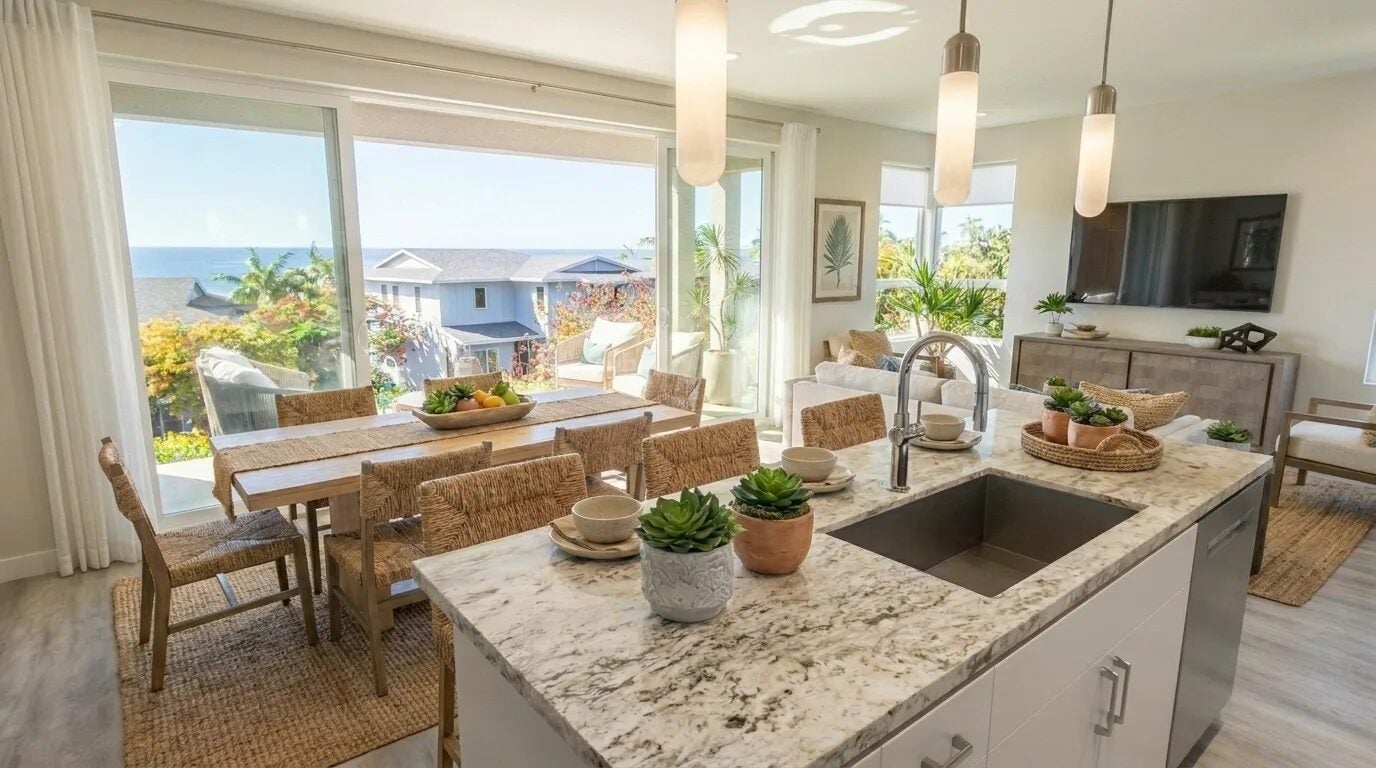
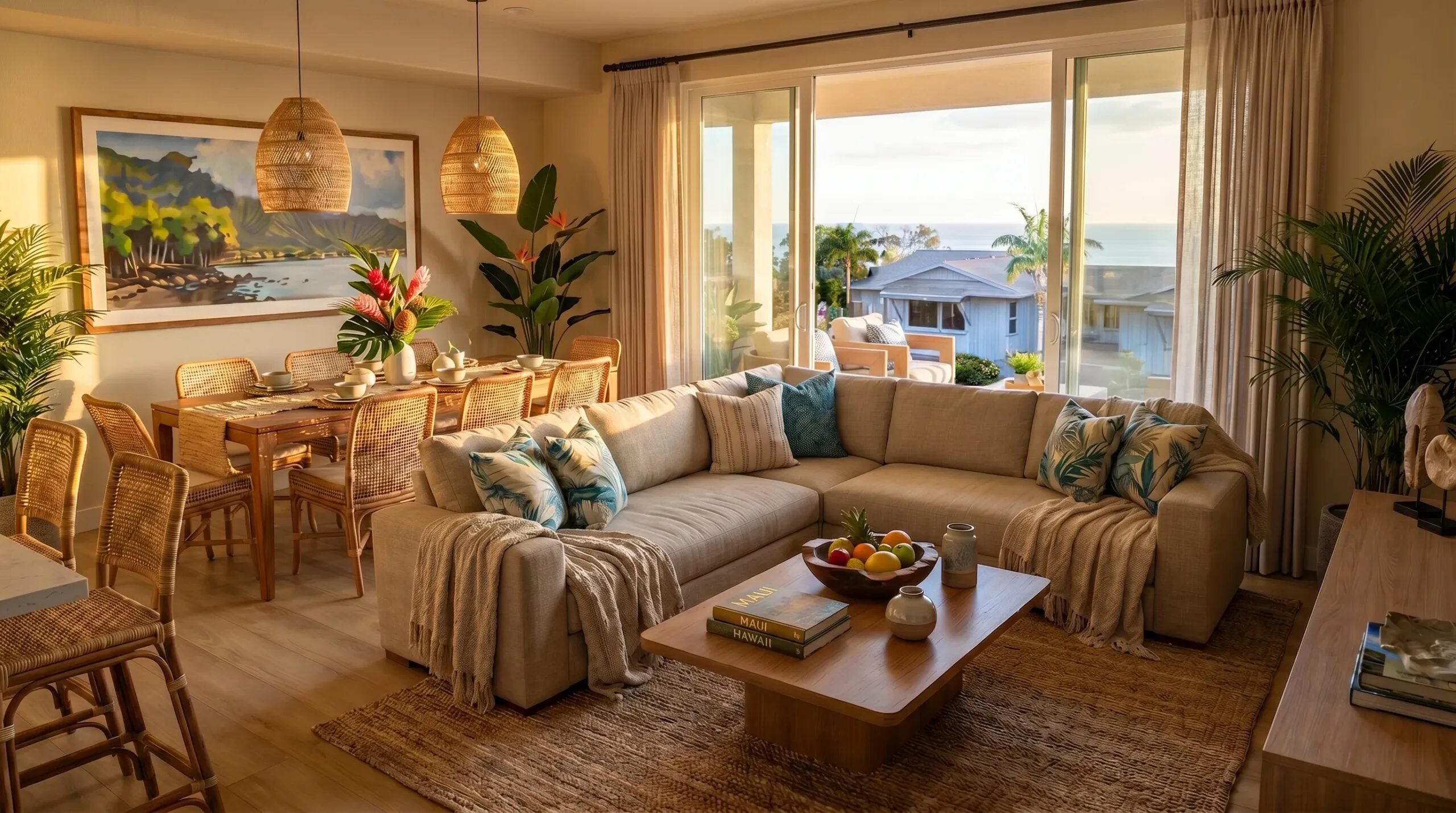
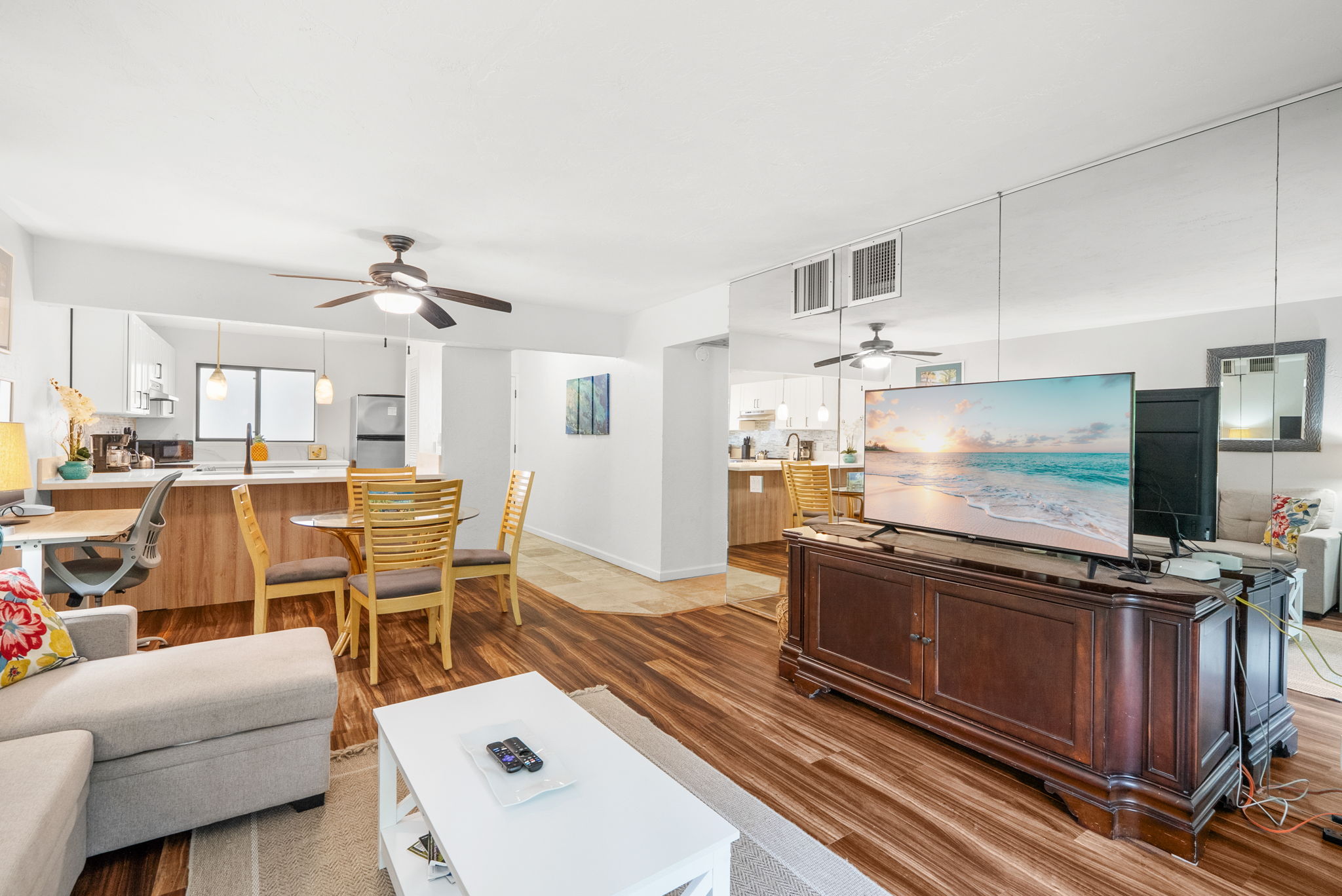
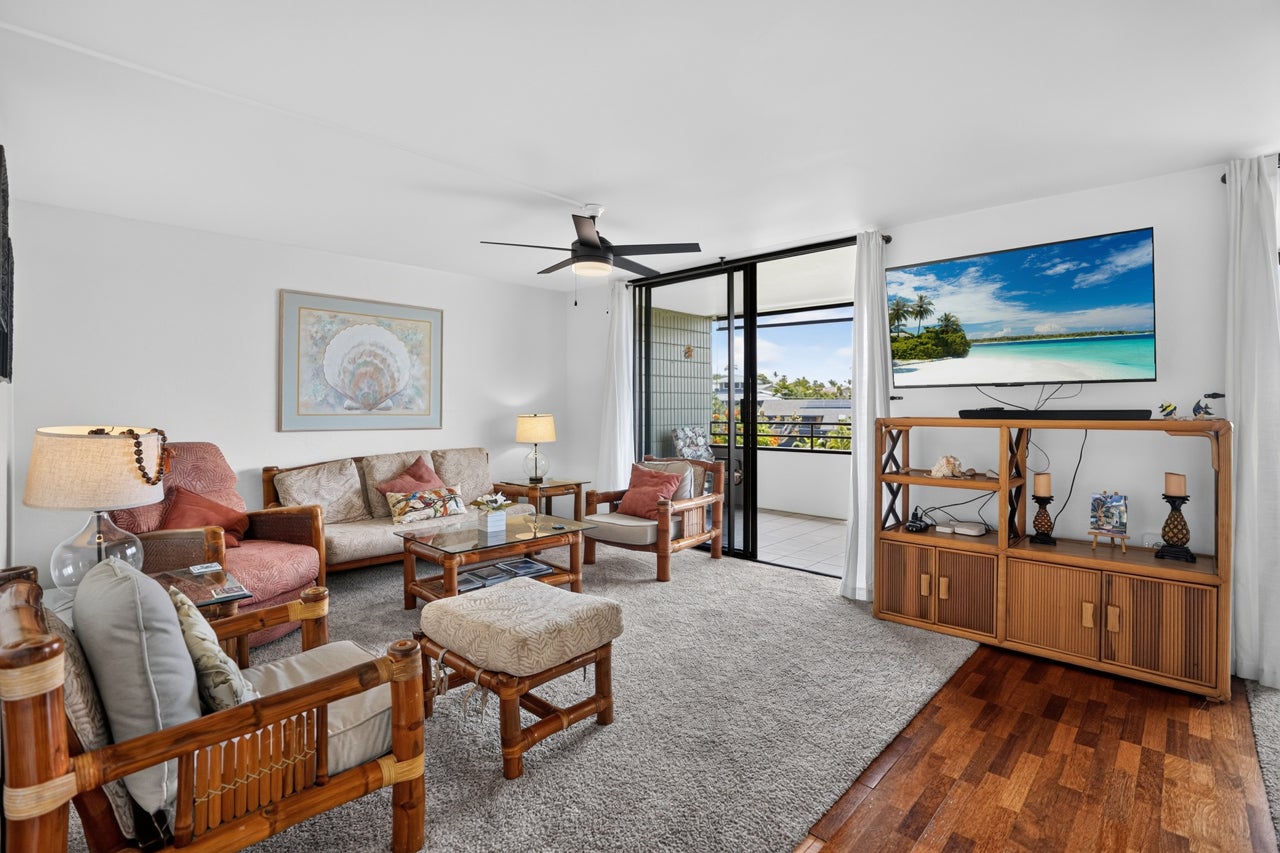
Most condos for sale in Kailua-Kona are concentrated in Kailua Village, along Aliʻi Drive, in Keauhou, and in residential communities farther inland and uphill. Before comparing views, finishes, and amenities, verify the exact unit’s land tenure, permitted use, association finances and rules, insurance, and loan eligibility.
Condos in Kailua Village offer access to the pier, restaurants, shops, and the waterfront. Parking, noise, rental rules, and walkability vary by building.
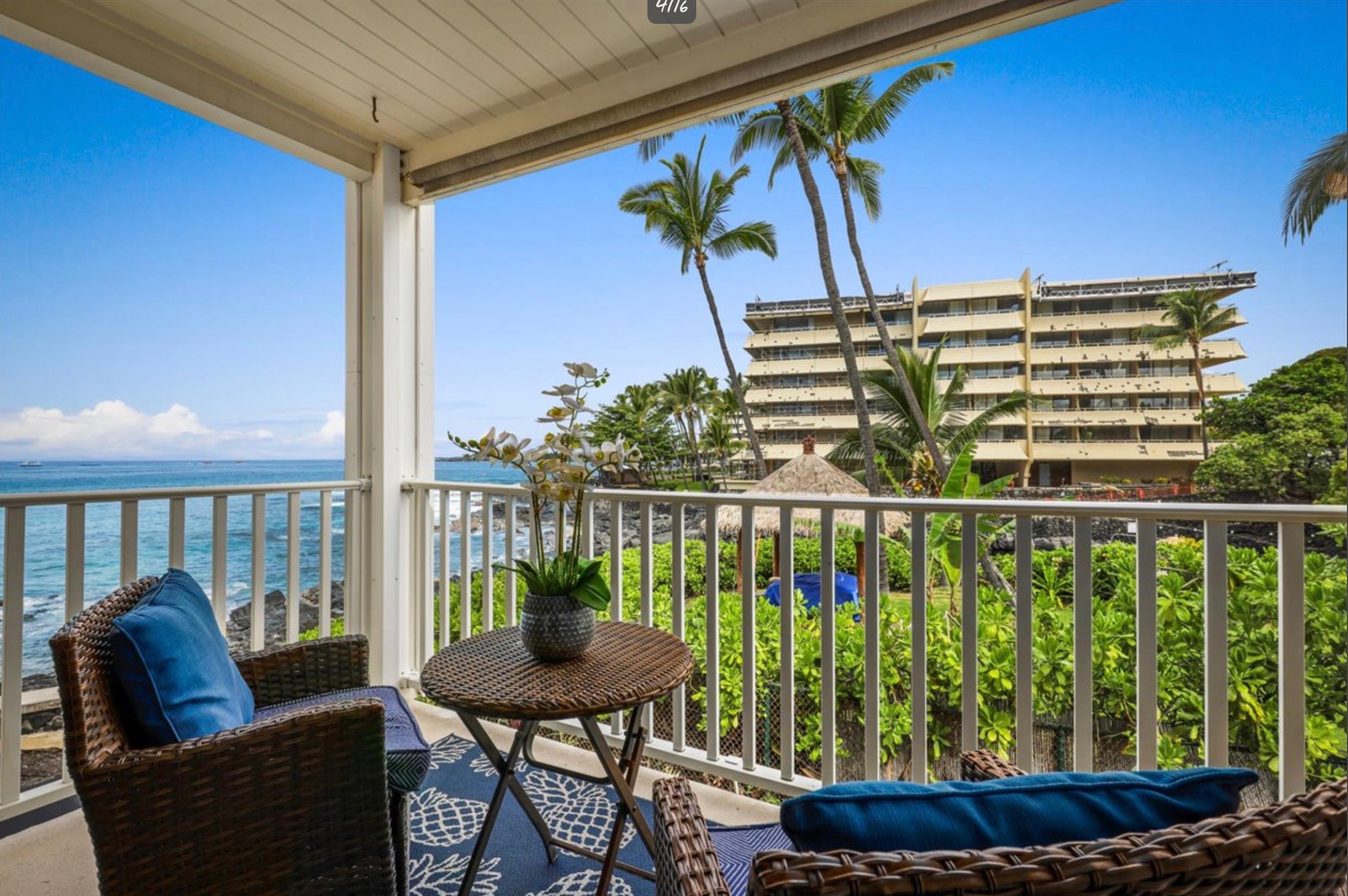
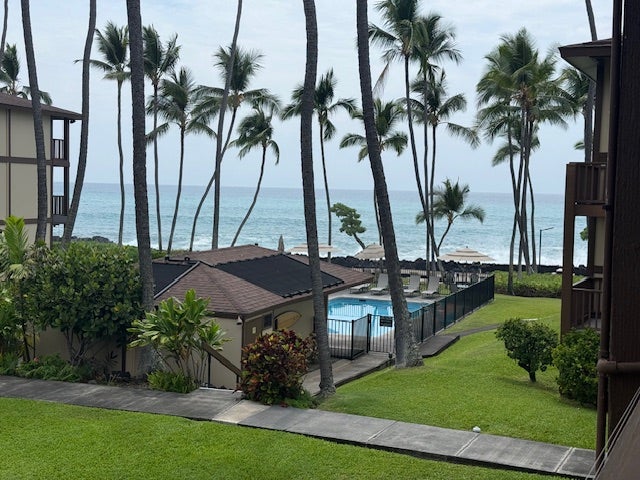
This corridor contains many of Kona’s familiar oceanfront communities, along with projects located just inland from the shoreline. Give extra attention to coastal exposure, insurance, maintenance history, and reserves.
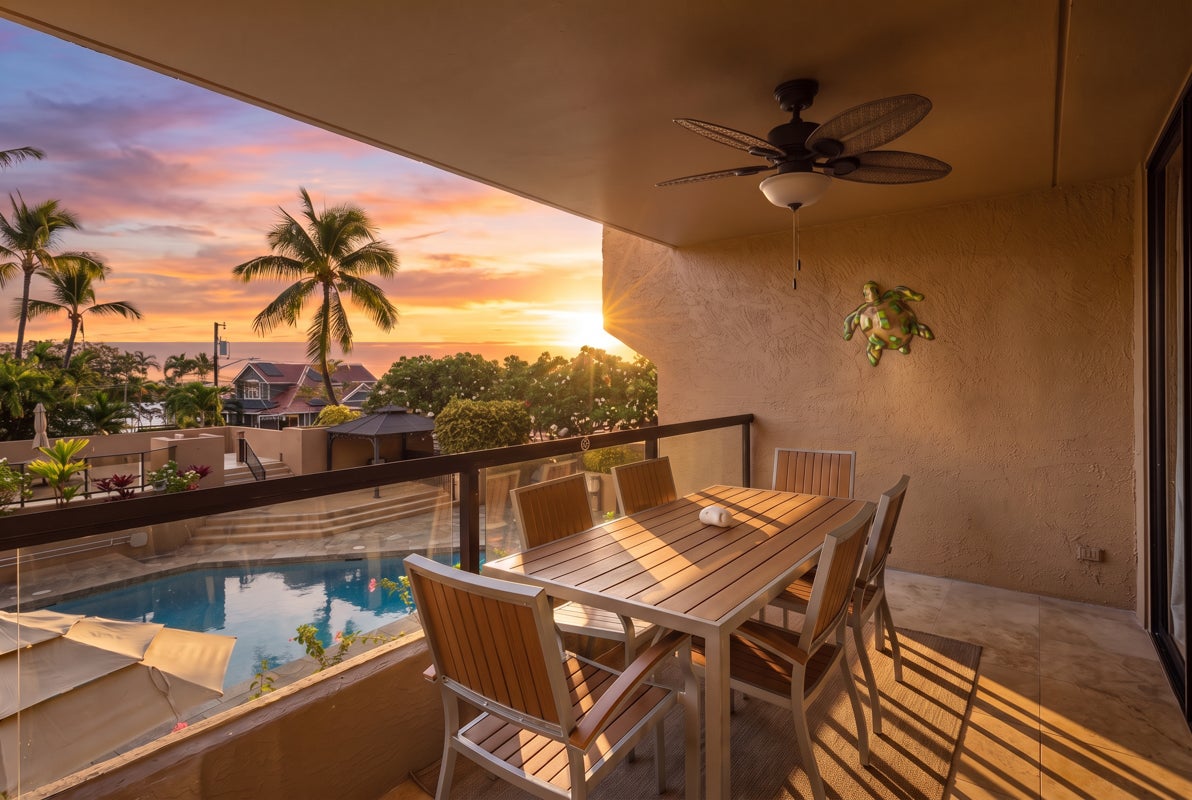
Condos in Keauhou include resort, golf, oceanfront, and residential communities near Keauhou Bay. Verify fees, management, rental eligibility, and governing documents for each project.
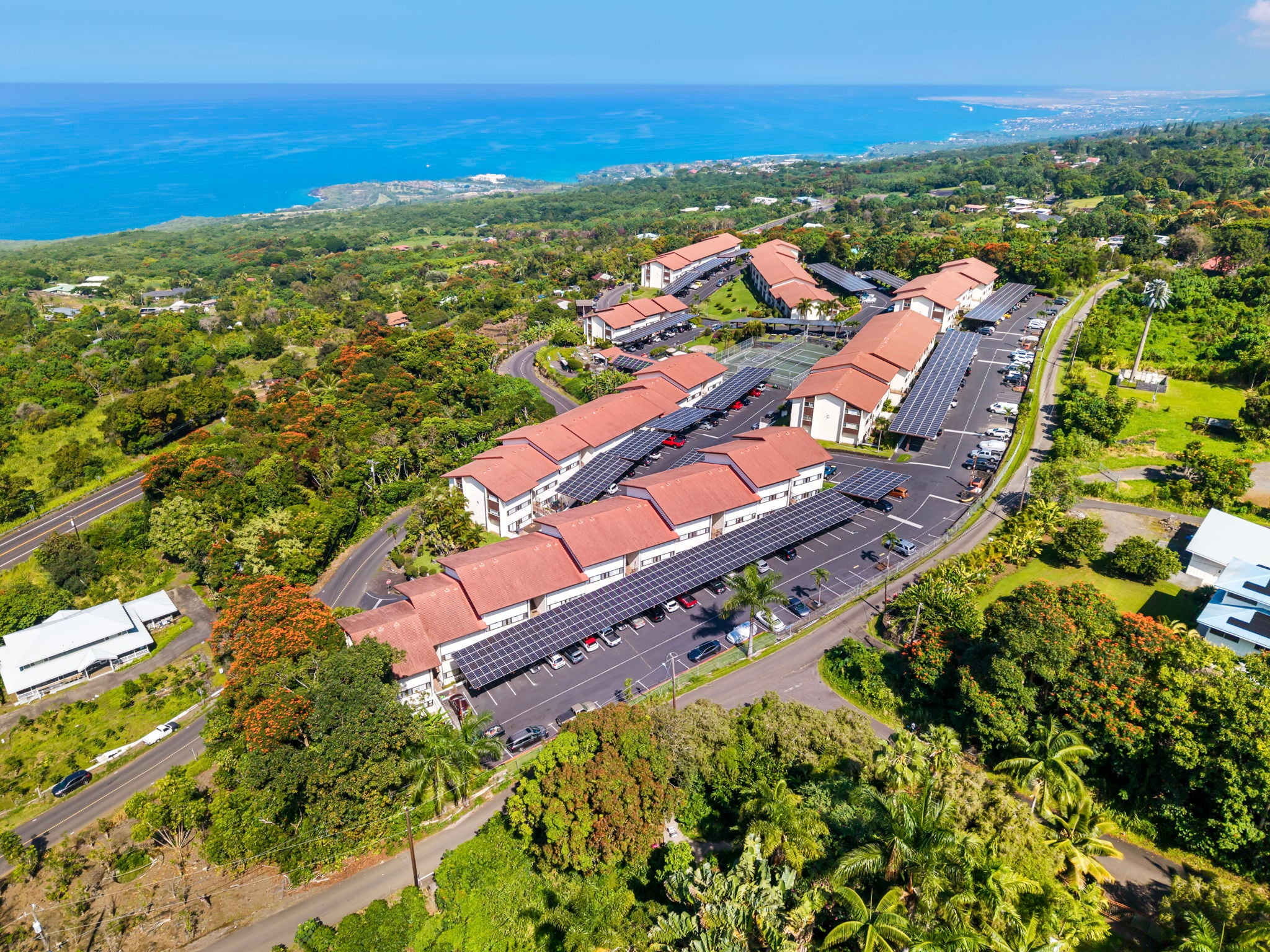
Uphill complexes often provide a more residential setting. Some offer larger floor plans or garages, but fees and rental restrictions still require individual review.
Kona has both fee simple and leasehold condominium units. With fee simple ownership, the buyer owns the condominium unit and its associated interest in the common elements. With leasehold ownership, the buyer acquires a leasehold interest for the remaining term of a ground lease and normally pays ground rent in addition to association fees.
Tenure can differ between units in the same project when individual owners have acquired the underlying fee interest. Never rely only on the project name or an older description. Verify the exact unit’s tenure through the current MLS record, preliminary title report, conveyance documents, and any applicable ground lease.
For a leasehold unit, review the remaining lease term, current ground rent, scheduled adjustments, renewal provisions, transfer requirements, financing requirements, any option to purchase the fee interest, and what happens when the lease ends. A shorter remaining term can affect financing and resale.
Named projects show why unit level verification matters. Mauna Loa Village is a leasehold property with its lease reported through 2050. Kona Makai was developed as leasehold, and some leasehold interests run through 2039, but current Kona Makai listings also include fee simple units. Hale Kona Kai should not be classified as leasehold. Confirm the exact unit’s tenure and current lease terms through the MLS record, preliminary title report, conveyance documents, and ground lease.
In Hawaiʻi, CPR means condominium property regime. It is the legal form of ownership used for a condominium project. A CPR may consist of an apartment building, townhouses, cottages, vacant land units, or detached homes.
The recorded declaration and condominium map establish the unit boundaries, common elements, limited common elements, and ownership interests. The existence of a CPR does not establish whether structures were properly permitted, how many structures are allowed, or whether a unit can be used as a vacation rental. Those questions require separate zoning, permitting, title, and association document review.

BEFORE YOU RELY ON RENT
Do not assume a condo can be used as a vacation rental because it is near the ocean, located in a visitor area, or has appeared on a rental platform. Verify the exact unit’s zoning and permitted use, County registration and approvals, association restrictions, and tax requirements.
Under Hawaiʻi County Ordinance 25-50, effective September 1, 2026, transient rentals of fewer than 180 consecutive days must satisfy the County registration requirements. A registration expires 90 days after a change in ownership unless the new owner completes the required registration. Registration does not create a zoning or rental right, and association rules remain a separate requirement.
A renovated condo can still carry financial and practical risk when the association has inadequate reserves, major repairs, litigation, or insurance problems. Review both the unit and the project before important contract deadlines pass.
Review the declaration, bylaws, house rules, budget, reserve study, recent meeting minutes, special assessments, major repair plans, litigation, and owner delinquencies.
Ask the lender to review the project early. Master insurance, reserves, critical repairs, assessments, litigation, project characteristics, and leasehold terms can affect loan eligibility.
Compare association dues, ground rent when applicable, property taxes, individual insurance, utilities, assessments, and rental management expenses. The listing price does not show the complete cost of ownership.
What Kona condo buyers should verify before making an offer.
Before removing important contract contingencies, confirm:
Both exist, and tenure can sometimes differ between units in the same project. Confirm the exact unit’s status through current MLS information, title documents, and any applicable ground lease. Leasehold ownership can affect monthly costs, financing, resale, and long term value.
Only when the intended use is permitted by the property’s zoning and approvals, County registration requirements are satisfied, and the association’s governing documents allow it. Under current County rules, registration expires 90 days after an ownership change unless the new owner completes the required registration.
It depends on the association. Fees may cover some combination of building insurance, common area maintenance, landscaping, water, sewer, trash, pools, management, security, cable, or internet. Ask for the current budget and a written explanation of what is included.
The lender reviews the condominium project as well as the borrower. Master insurance, reserves, critical repairs, special assessments, litigation, project characteristics, and leasehold terms can affect eligibility. Requesting the project review early helps identify issues before important contract deadlines.
Review the declaration, bylaws, condominium map, house rules, budget, financial statements, reserve study, recent meeting minutes, assessment information, master insurance, and any available engineering or inspection reports. If rental use matters, also verify zoning, County registration and approvals, tax requirements, and association rental restrictions.