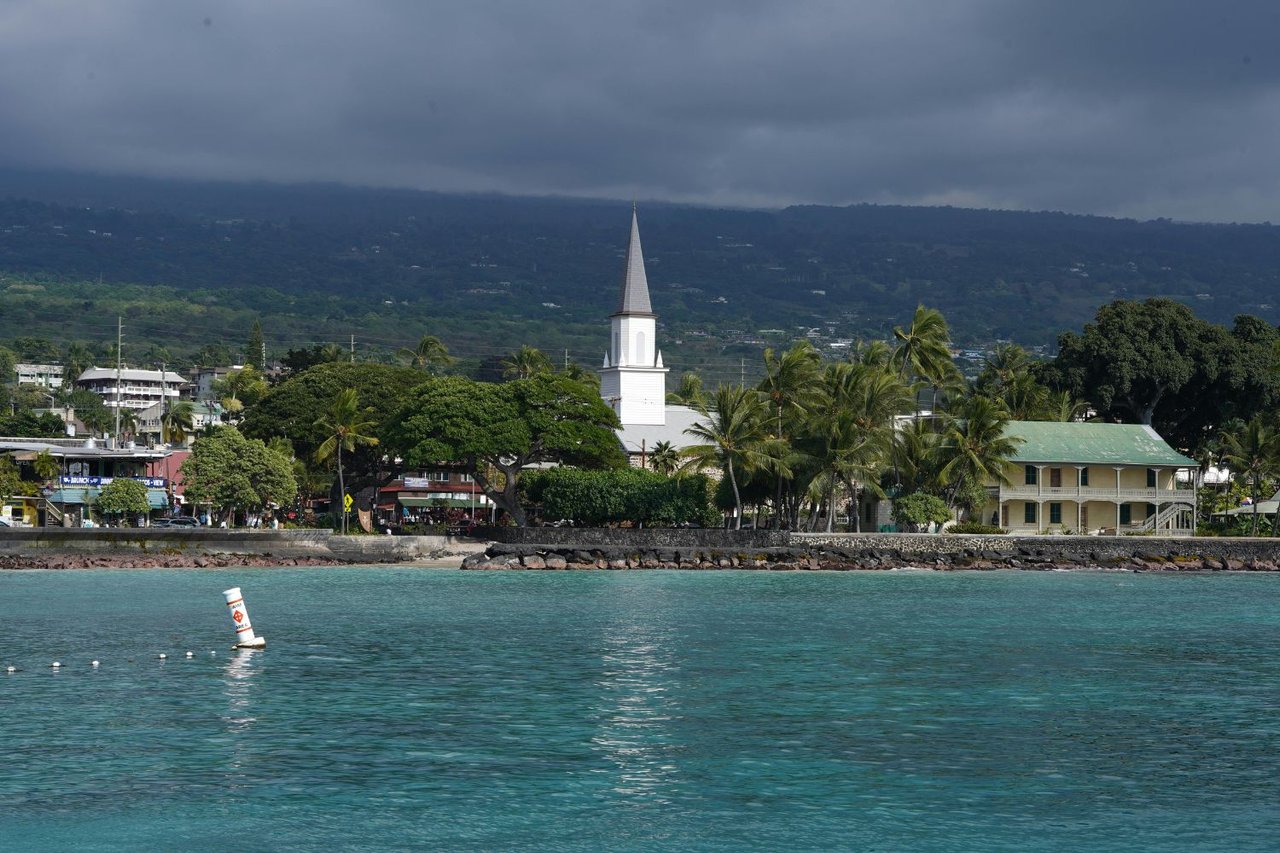
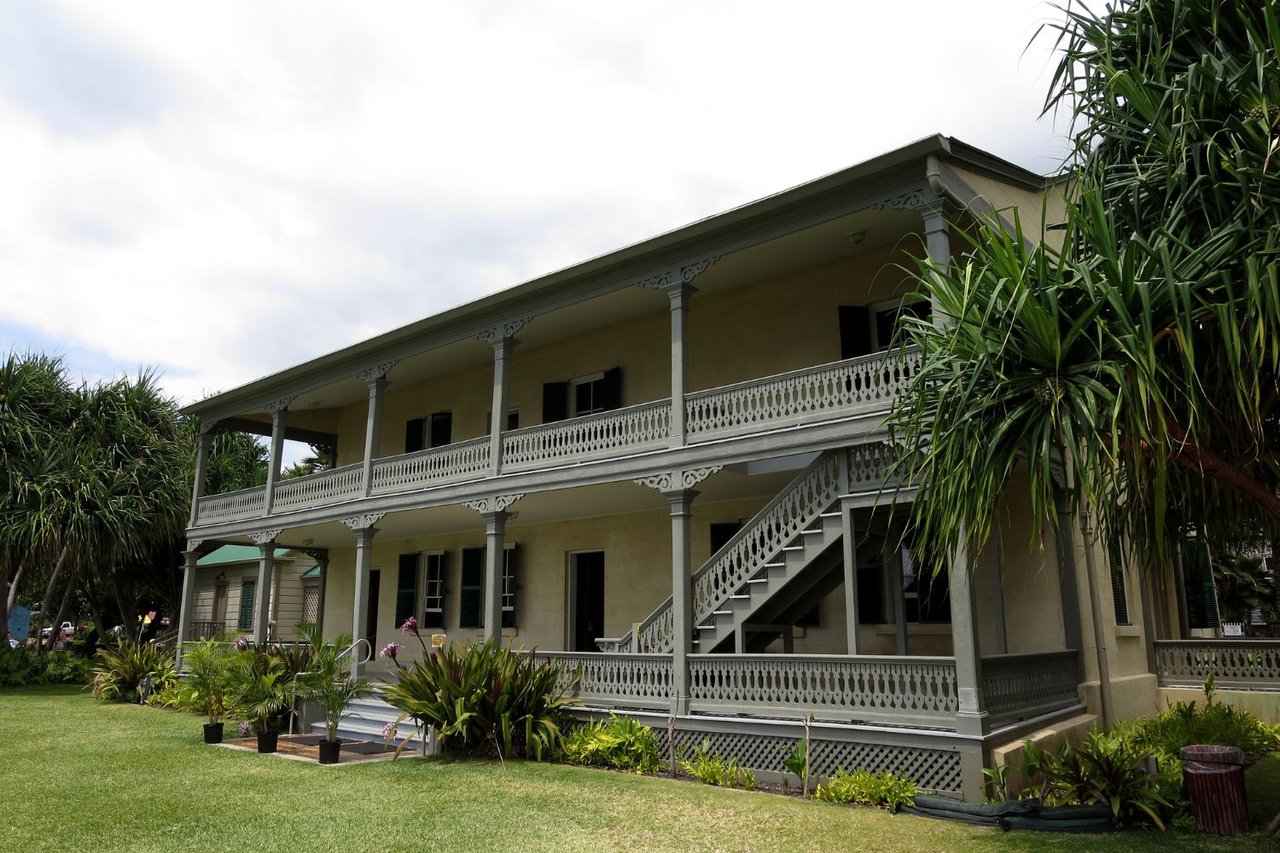
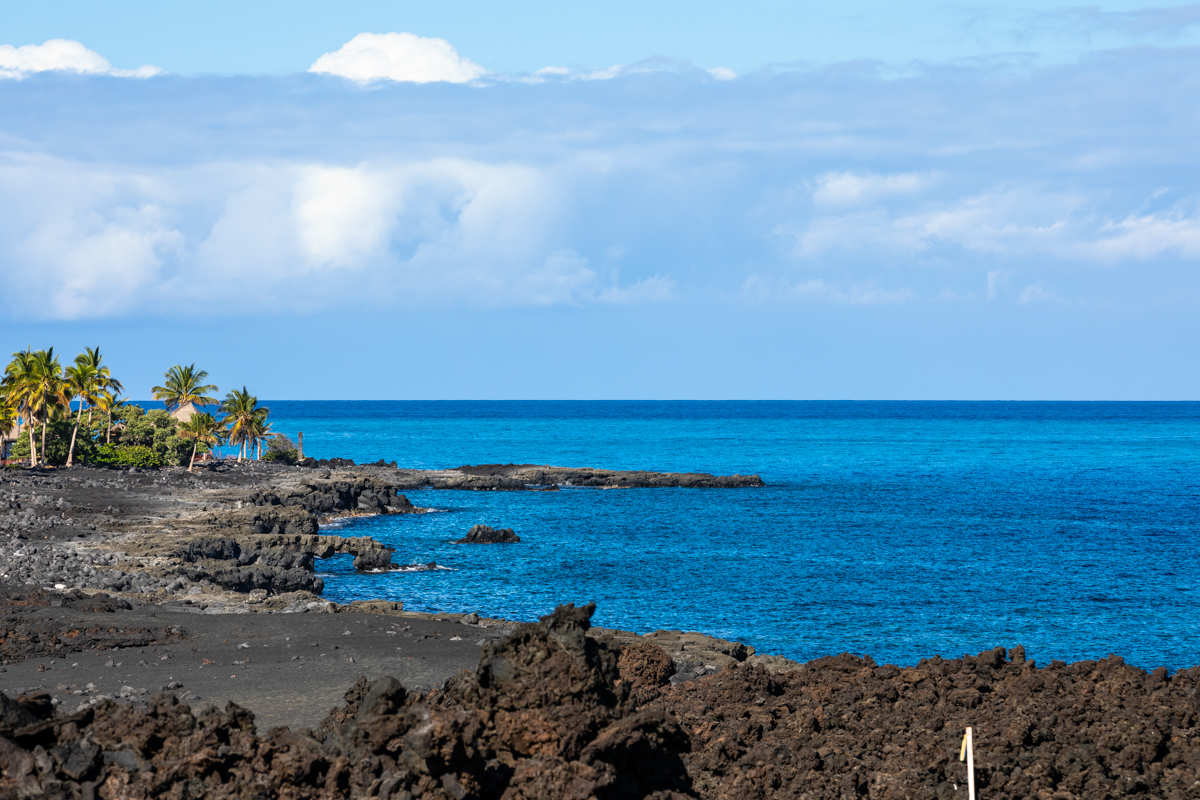
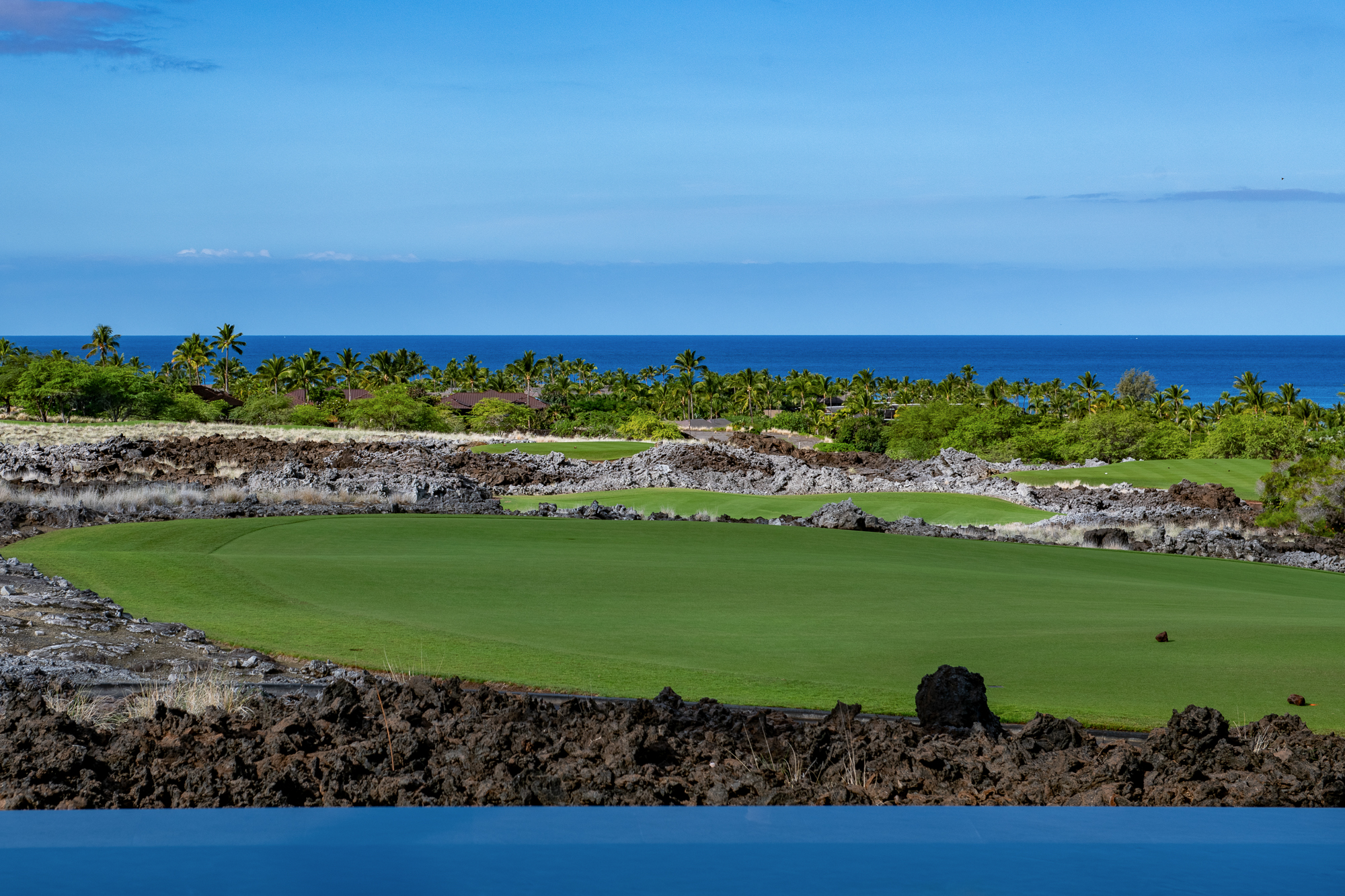
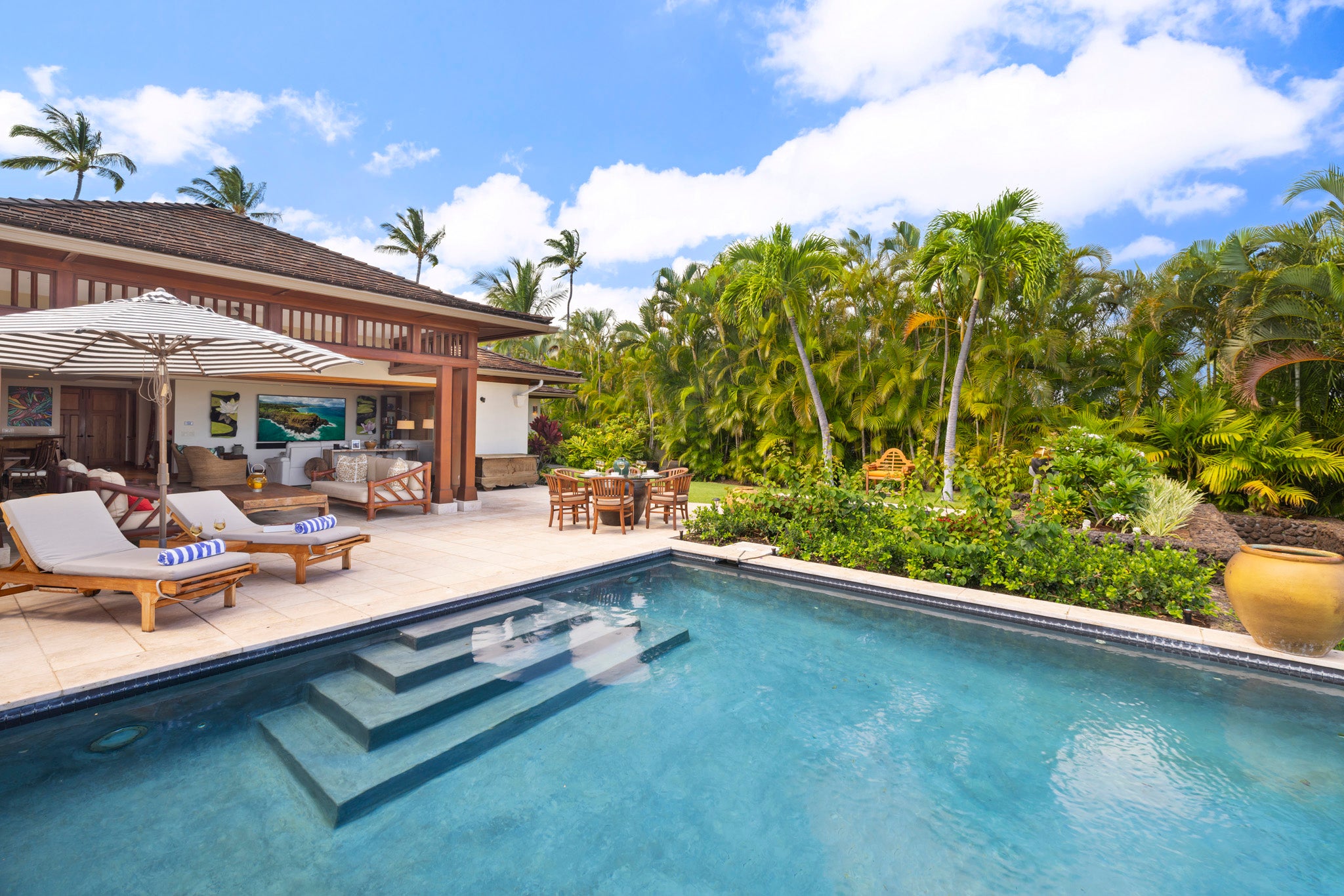
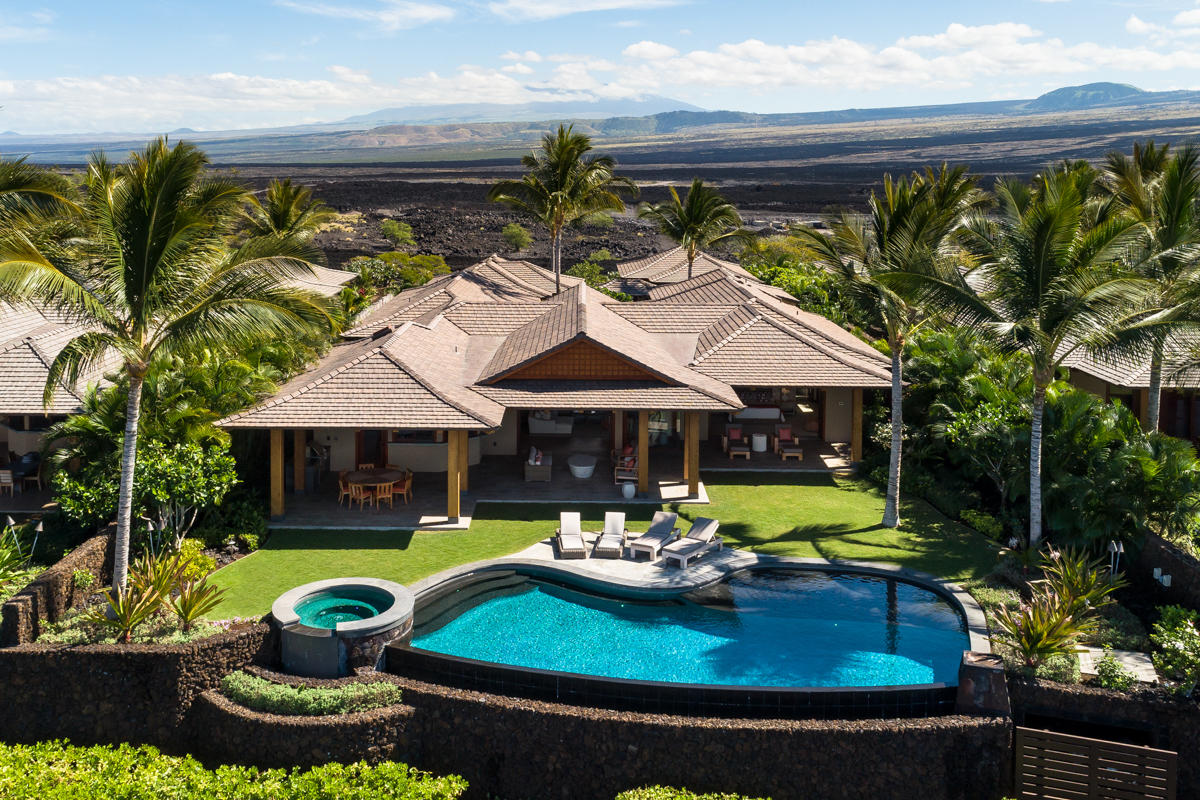
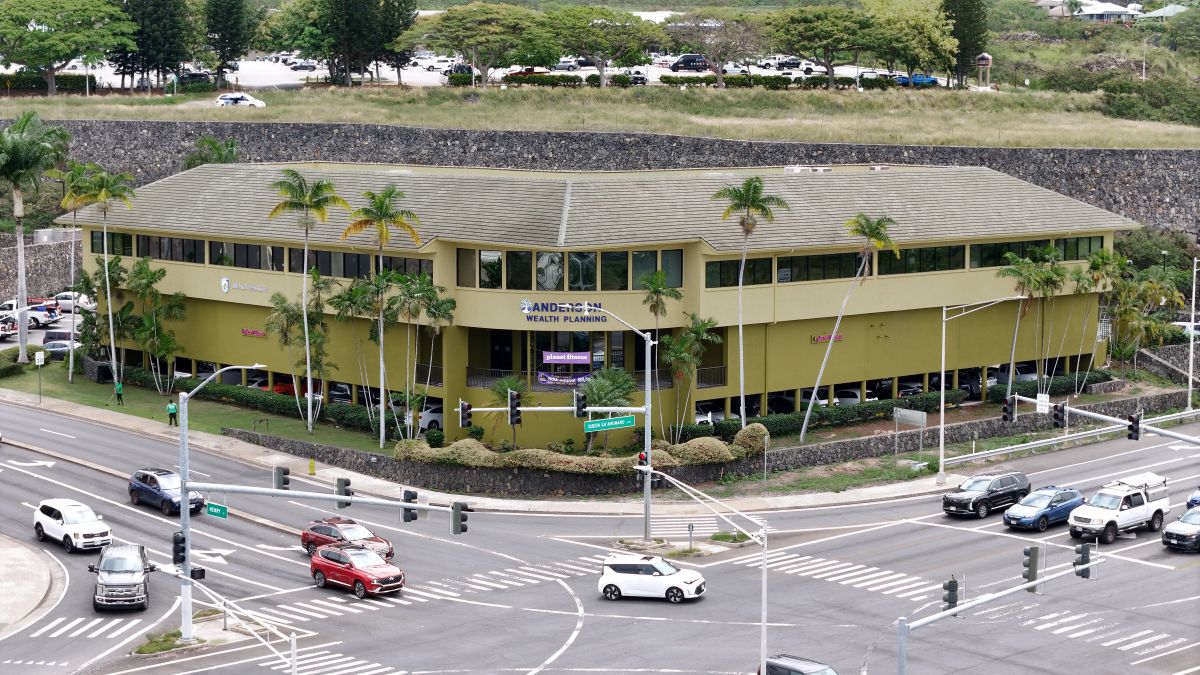
Kailua-Kona is the town many people mean when they say “Kona,” although Kona also refers to the broader North and South Kona districts. This guide focuses on Kailua-Kona town, the Aliʻi Drive corridor, and nearby residential areas. Along the downtown waterfront are Huliheʻe Palace, a former vacation home of Hawaiian royalty, Kailua Pier, and Kamakahonu, where Kamehameha I spent his final years. Shops, restaurants, condos, and daily life surround these historic places.
Town living comes with activity. Aliʻi Drive carries local traffic as well as visitors, and congestion can increase during cruise ship visits and major events such as IRONMAN. Buyers looking for a quieter setting may prefer streets farther from the waterfront corridor or at higher elevations, but noise, traffic, and privacy vary by property.
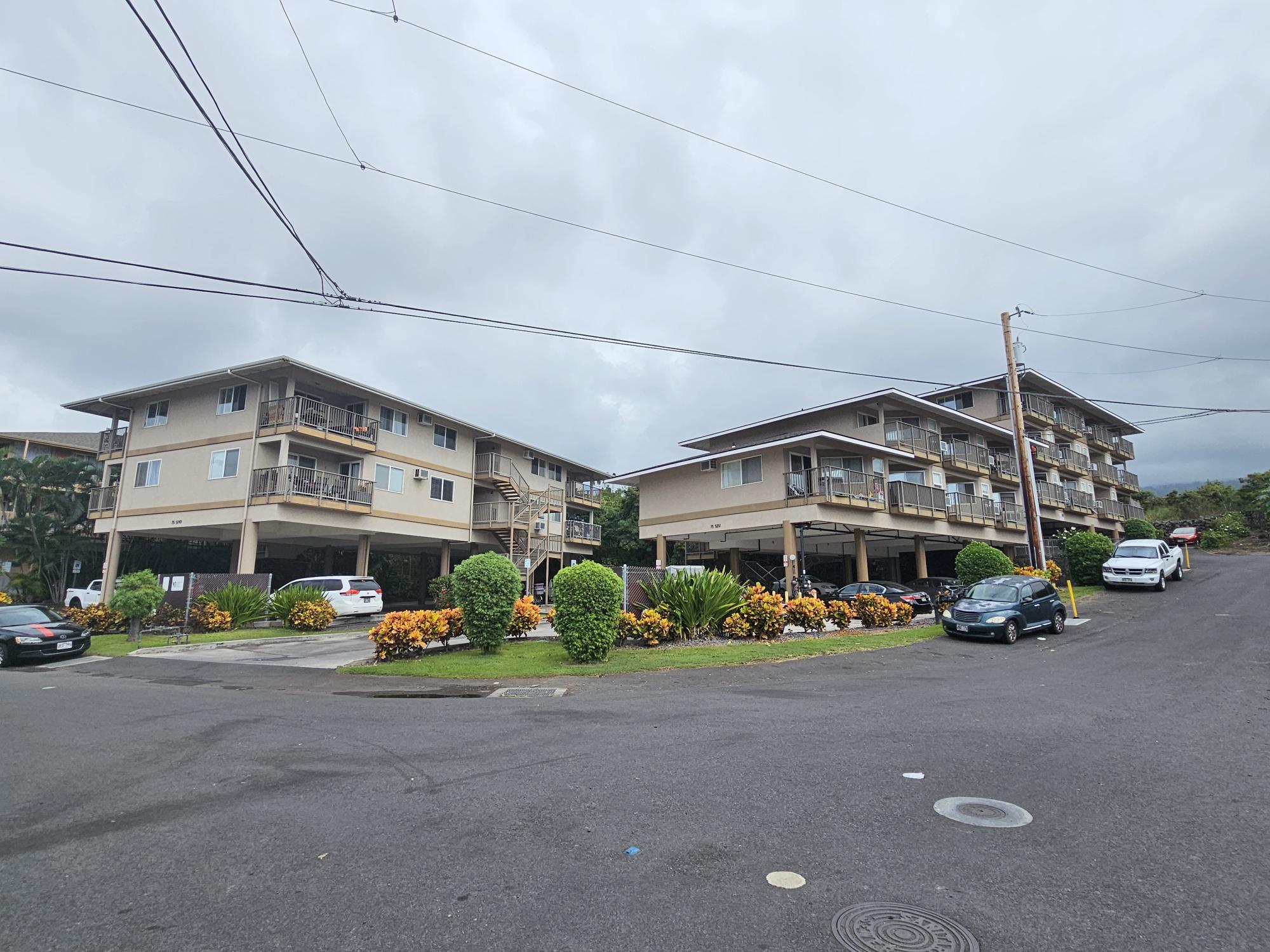
Condo buildings line Aliʻi Drive and nearby streets, from complexes close to downtown to developments farther south toward Keauhou. Near Old Kona Airport Park, compare individual streets and properties rather than assuming a uniform price range or housing character. Location, condition, ocean frontage, and lot size all matter when comparing homes near the park.
Farther south along Aliʻi Drive, the area around Magic Sands offers another coastal setting with nearby homes and condos. Inland, residential areas climb the slopes above town toward Hōlualoa. Buyers considering these higher elevations often look for cooler temperatures, more space, or greater separation from the downtown activity. Access to town depends on the specific road and time of day.
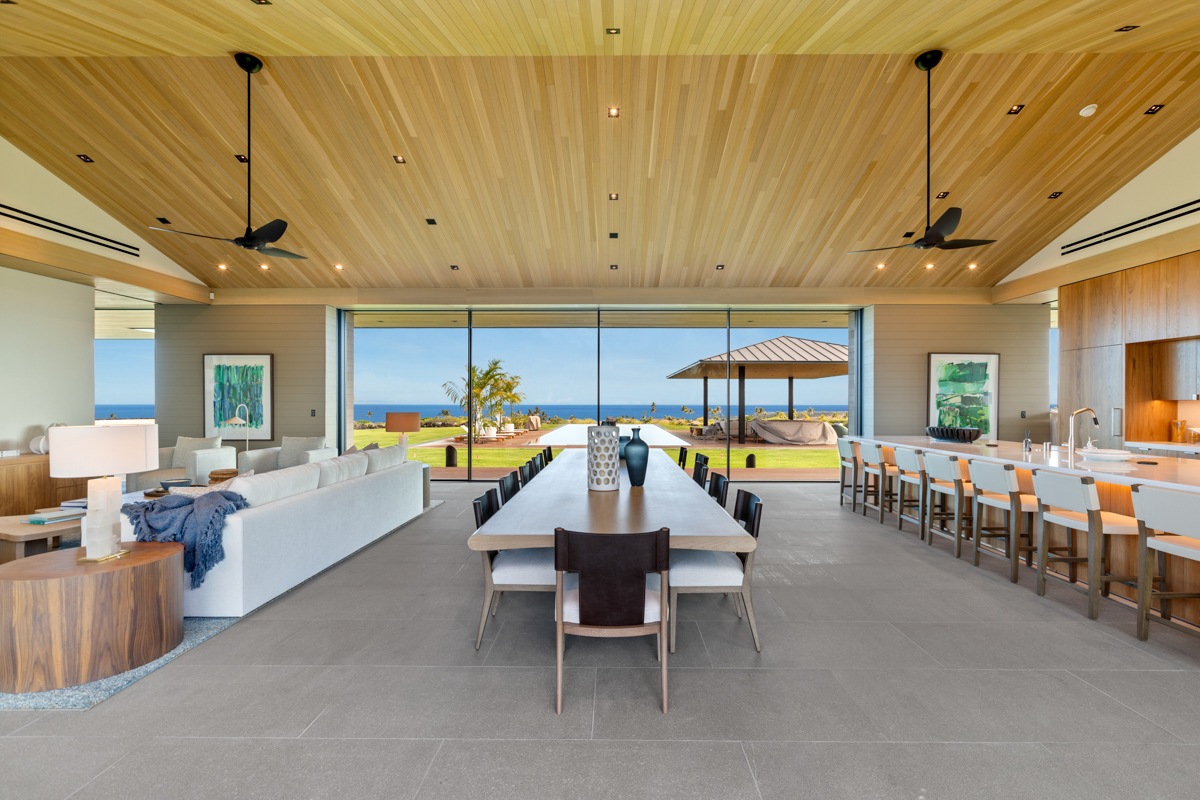
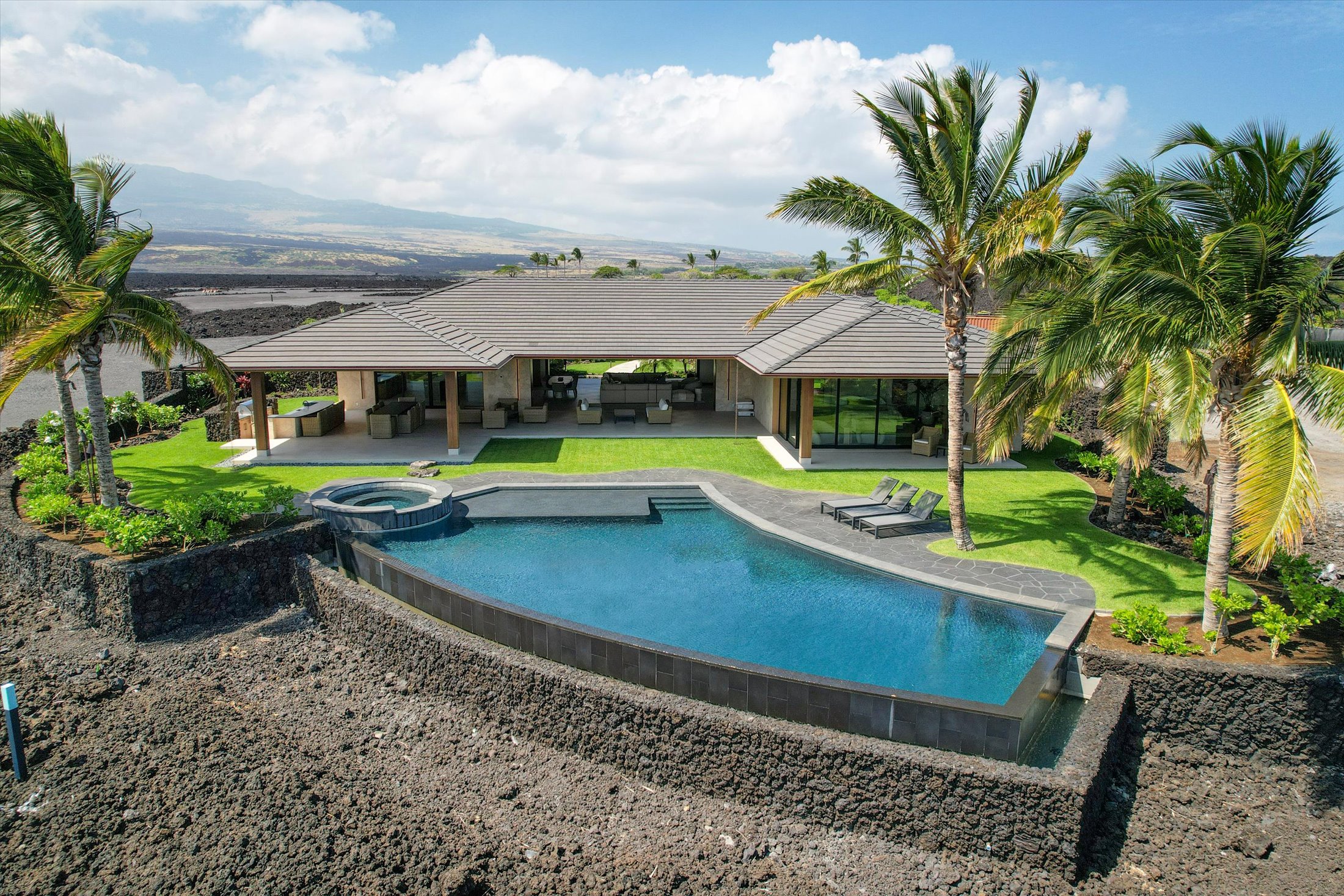
Kailua-Kona real estate includes condos, older single-family homes, hillside properties, and oceanfront estates. Along Aliʻi Drive, homes vary considerably in size, condition, and relationship to the shoreline. Aliʻi Point is a small gated coastal community off Aliʻi Drive. Elsewhere along the corridor, properties sit on both the ocean side and the mountain side of the road. An ocean view, ocean access, and direct ocean frontage are different features, so compare what each property actually offers.
Condo comparisons need to go beyond the asking price. Monthly association fees, reserves, insurance coverage, upcoming repairs, parking, and rental restrictions can change the cost and practicality of ownership. Some Kailua-Kona condos are leasehold. Confirm the tenure of the individual unit and review any ground lease, scheduled rent increases, and remaining lease term. Our guide to leasehold versus fee simple in Kailua-Kona explains the differences.
Beach access also varies along the corridor. Kamakahonu is a small sandy beach beside Kailua Pier. Magic Sands lies south of downtown, with Kahaluʻu Beach Park farther south toward Keauhou. Being near the shoreline does not necessarily mean having a sandy beach or convenient ocean access outside your door. Compare the actual walking route, road crossings, and access points from each property. For current prices, review available listings alongside recent comparable sales rather than relying on a fixed range on a neighborhood page.
Downtown Kailua-Kona brings restaurants, shops, the farmers market, and Kailua Pier close together. Grocery stores and other everyday services are spread through town, so the convenience of a particular home depends on the errands you make most often. Some downtown locations make walking practical; hillside properties and other stretches of Aliʻi Drive may involve more driving.
Ellison Onizuka Kona International Airport at Keāhole is northwest of town. Medical offices provide routine care in Kailua-Kona, while Kona Community Hospital is south in Kealakekua. Driving times depend on your starting point, route, and traffic. If airport access, medical appointments, or a regular commute matters to your purchase, check those trips from the specific property at the times you would normally travel.
Kailua-Kona is generally in Lava-Flow Hazard Zone 4 on Hualālai. This designation describes relative lava-flow hazard; it does not measure every hazard affecting a property or guarantee insurance availability. The USGS map uses generalized boundaries rather than parcel-level surveys. Review the location of the property and confirm the requirements of your insurer and lender.
County water serves much of the town core, but verify the water source and wastewater system separately for each property. A home with county water may still use a septic system or cesspool. Hawaiʻi generally requires existing cesspools to be upgraded, converted, or connected to a sewer system before January 1, 2050, subject to applicable exemptions. Certain conditions or proposed building changes can trigger earlier requirements. Confirm the system’s condition and any required work before estimating future ownership costs.
For a condo, review the association’s financial statements, reserves, meeting minutes, insurance coverage, and pending or proposed special assessments. Coastal buildings can require substantial maintenance, including work related to salt exposure. The monthly association fee alone does not tell you whether a building has adequately planned for future repairs.
If unhosted short-term vacation rental income is part of your plan, verify the property’s permitted zoning, County registration, and any required current Nonconforming Use Certificate. Review condominium documents and other applicable restrictions as well. An Aliʻi Drive address, an existing rental advertisement, or a seller’s description of a property as “grandfathered” is not enough to establish that your intended rental use is allowed.
Kailua-Kona may appeal to buyers who prioritize access to shops, restaurants, services, and the waterfront. The blocks around Kailua Pier offer a different daily experience from a hillside home or a condo farther south on Aliʻi Drive. Walkability varies by building and destination, so visit the surrounding streets as well as the property itself.
If your priorities include more land, cooler temperatures, or greater privacy, compare nearby upland areas before deciding. Our Kona neighborhood guides can help you compare coastal and upland locations and narrow your search around the features that matter to you.
It depends on your priorities. Kailua-Kona offers access to the waterfront, restaurants, shopping, and everyday services. Downtown locations also come with visitor activity, traffic, and event congestion. Compare individual streets and properties, particularly if quiet, privacy, or walking access is important to you.
Downtown Kailua-Kona sits along the waterfront, with Kamakahonu Beach beside Kailua Pier. Magic Sands and Kahaluʻu Beach Park are farther south along Aliʻi Drive. Distance to a usable beach depends on the property; being oceanfront or near the coast does not necessarily mean having sandy beach access.
Prices vary by property type, location, condition, land tenure, and ocean frontage or views. For condos, compare association fees and potential assessments as well as the purchase price. Current listings and recent comparable sales provide a more useful starting point than a fixed neighborhood-wide price range.
It depends on the property and the proposed rental arrangement. For unhosted short-term vacation rentals, confirm permitted zoning, County registration, and any required current Nonconforming Use Certificate. Condominium rules and other property restrictions may also limit rentals. Verify the requirements for the specific property before relying on projected rental income.
Looking for a home or condo in Kailua-Kona? Contact Kona Homes for Sale at (808) 854-5432 to discuss current listings, compare buildings and neighborhoods, and review the ownership details that matter before you buy.
40,805 people live in Kailua-Kona, where the median age is 43.2 and the average individual income is $45,490. Data provided by the U.S. Census Bureau.
Total Population
Median Age
Population Density Population Density This is the number of people per square mile in a neighborhood.
Average individual Income
There's plenty to do around Kailua-Kona, including shopping, dining, nightlife, parks, and more. Data provided by Walk Score and Yelp.
Explore popular things to do in the area, including Wilson’s Food Truck, Mountain Thunder Coffee Plantation, and I'O Processing Company.
| Name | Category | Distance | Reviews |
Ratings by
Yelp
|
|---|---|---|---|---|
| Dining | 0.59 miles | 5 reviews | 4.6/5 stars | |
| Dining · $$ | 3.61 miles | 490 reviews | 4.5/5 stars | |
| Dining | 4.14 miles | 0 reviews | 0/5 stars | |
| Dining | 4.33 miles | 5 reviews | 4.8/5 stars | |
| Dining · $ | 4.77 miles | 61 reviews | 4/5 stars | |
| Dining · $ | 4.82 miles | 45 reviews | 4.2/5 stars | |
| Active | 3.15 miles | 126 reviews | 4.8/5 stars | |
| Active | 4.07 miles | 77 reviews | 3.7/5 stars | |
| Active | 4.49 miles | 6 reviews | 3.5/5 stars | |
| Active | 4.58 miles | 5 reviews | 5/5 stars | |
| Active | 4.75 miles | 0 reviews | 0/5 stars | |
| Active | 4.83 miles | 0 reviews | 0/5 stars | |
| Active | 4.92 miles | 0 reviews | 0/5 stars | |
| Beauty | 3.89 miles | 14 reviews | 3.9/5 stars | |
| Beauty | 4.44 miles | 0 reviews | 0/5 stars | |
| Beauty | 4.55 miles | 3 reviews | 5/5 stars | |
|
|
||||
|
|
||||
|
|
||||
|
|
||||
|
|
||||
|
|
Kailua-Kona has 14,149 households, with an average household size of 2.86. Data provided by the U.S. Census Bureau. Here’s what the people living in Kailua-Kona do for work — and how long it takes them to get there. Data provided by the U.S. Census Bureau. 40,805 people call Kailua-Kona home. The population density is 168 and the largest age group is Data provided by the U.S. Census Bureau.
Total Population
Population Density Population Density This is the number of people per square mile in a neighborhood.
Median Age
Men vs Women
Population by Age Group
0-9 Years
10-17 Years
18-24 Years
25-64 Years
65-74 Years
75+ Years
Education Level
Total Households
Average Household Size
Average individual Income
Households with Children
With Children:
Without Children:
Marital Status
Blue vs White Collar Workers
Blue Collar:
White Collar: