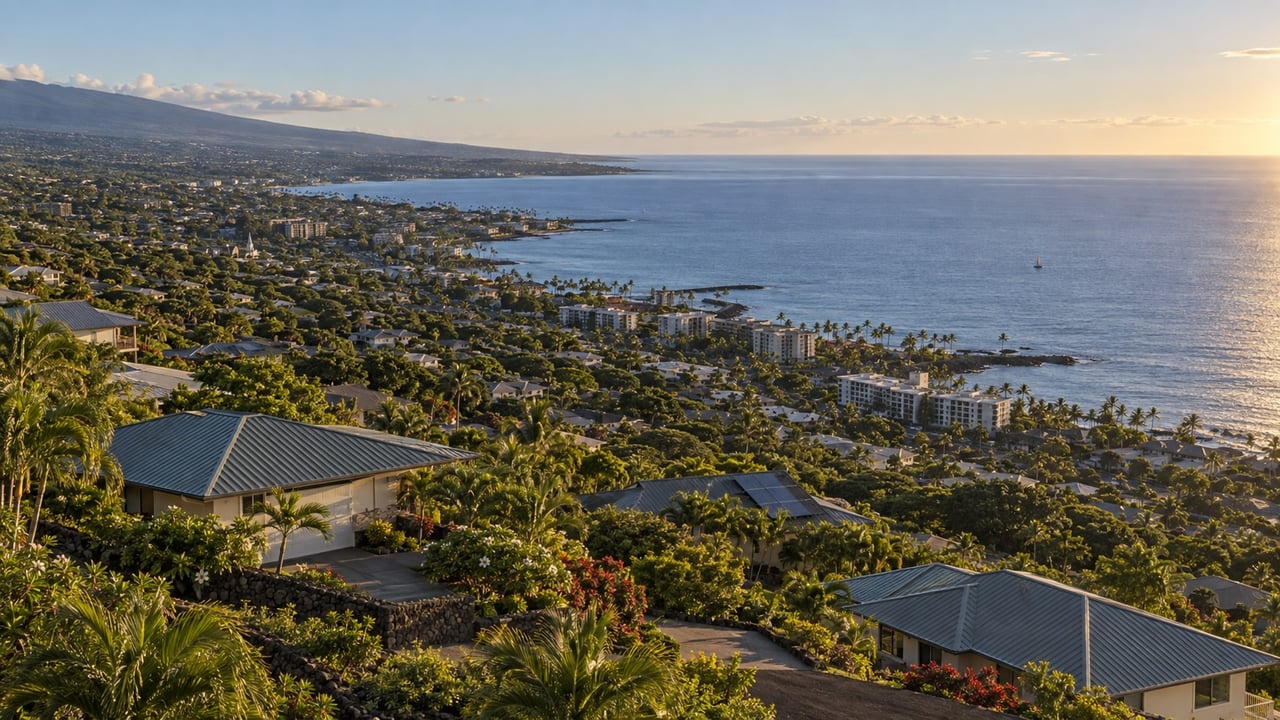
Most mainland buyers come to Kona with a picture in their head: the ocean out the front door, waves audible from the lanai, sand between their toes by morning. That picture is real and available in this market. But a significant number of buyers who buy that picture end up wishing they had thought harder about the maintenance reality, the insurance costs, and what it actually costs to own and protect a property twenty feet from saltwater.
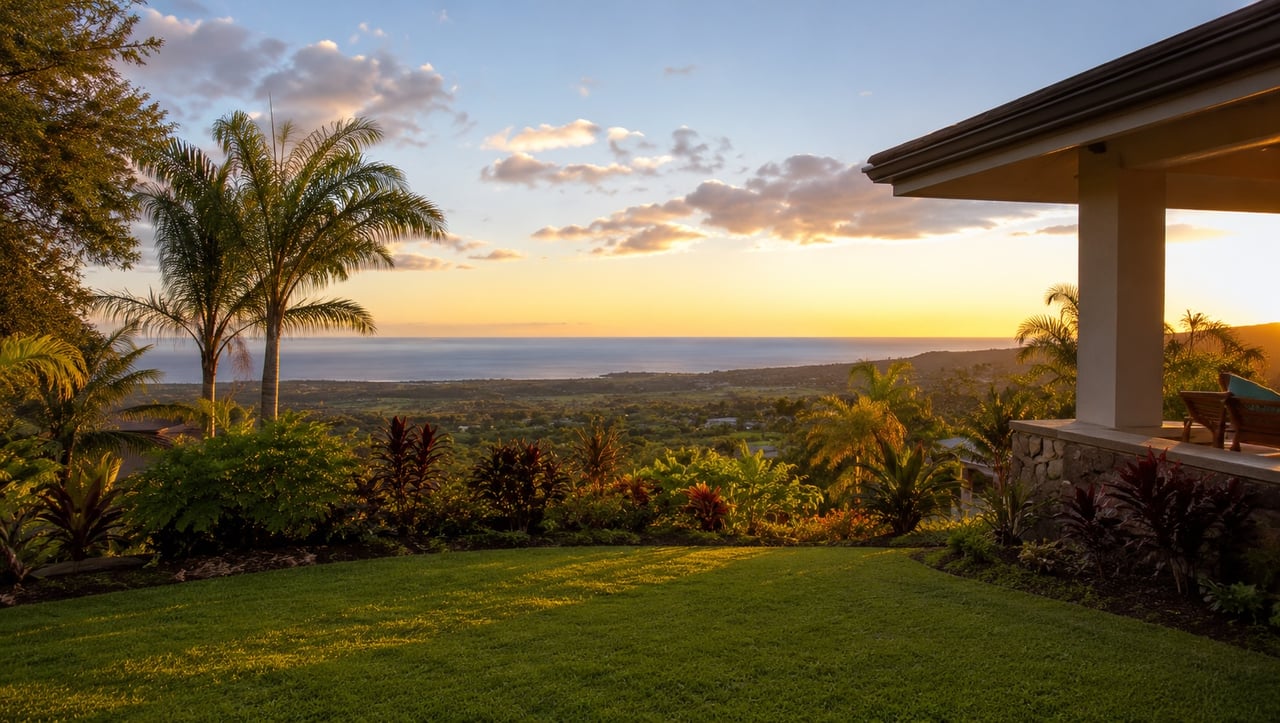
The other picture, cooler evenings, more space, ocean views from elevation, coffee farms nearby, privacy, is also real and often available at a lower entry price. In Hawaii, properties away from the coast and up toward the mountain are called mauka (mow-KAH) — the Hawaiian directional word for toward the mountain. Mauka living in Kona is not second-best. For many buyers it is the better fit. The question is which set of tradeoffs you are actually signing up for, because the two are genuinely different.
Key Takeaways
- Oceanfront properties offer walkability and beach access but carry higher maintenance costs from salt exposure, more complex insurance requirements, and coastal hazard considerations including tsunami evacuation zones.
- Mauka properties offer cooler temperatures, more privacy, and often more land, but require more attention to utilities, drainage, and vegetation management, and involve longer drives to town services.
- Neither is universally better. The right choice depends on how you plan to use the property, your tolerance for specific maintenance demands, and your total cost of ownership budget.
- Short-term rental rules in Kona apply regardless of whether a property is coastal or upland. Verify NUC status and zoning before assuming rental income.
- Get insurance quotes for both types before you commit to a price range. Coastal insurance costs can significantly change the math on what looks like an attractive purchase price.
What Oceanfront Actually Means Day to Day
Oceanfront and near-ocean properties in Kona deliver what the picture promises: walkability to Ali'i Drive, beaches, restaurants, and the town corridor. The convenience is real. If you want to be close to medical services, errands, and spontaneous sunset swims without getting in a car, the coastal areas of Kailua-Kona do that better than anywhere else on the island. For part-time residents or second-home buyers who want a lock-and-leave property where everything is accessible when they arrive, the coastal location makes a lot of sense.
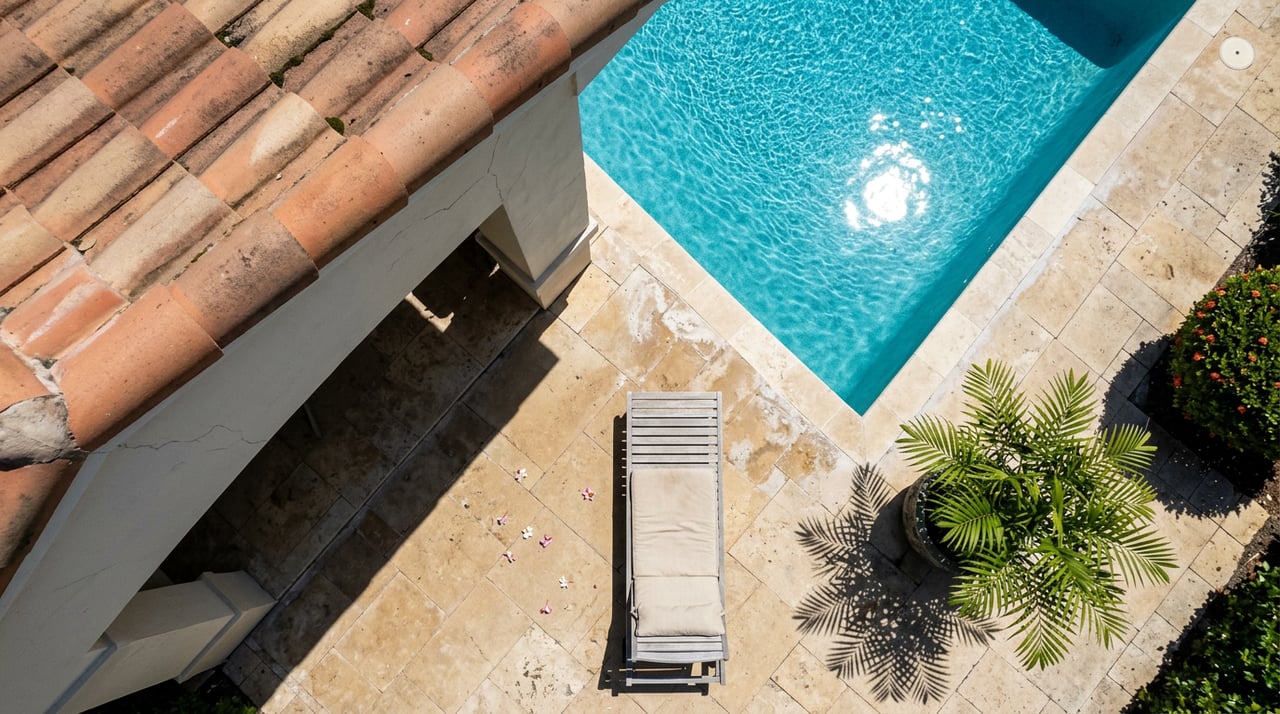
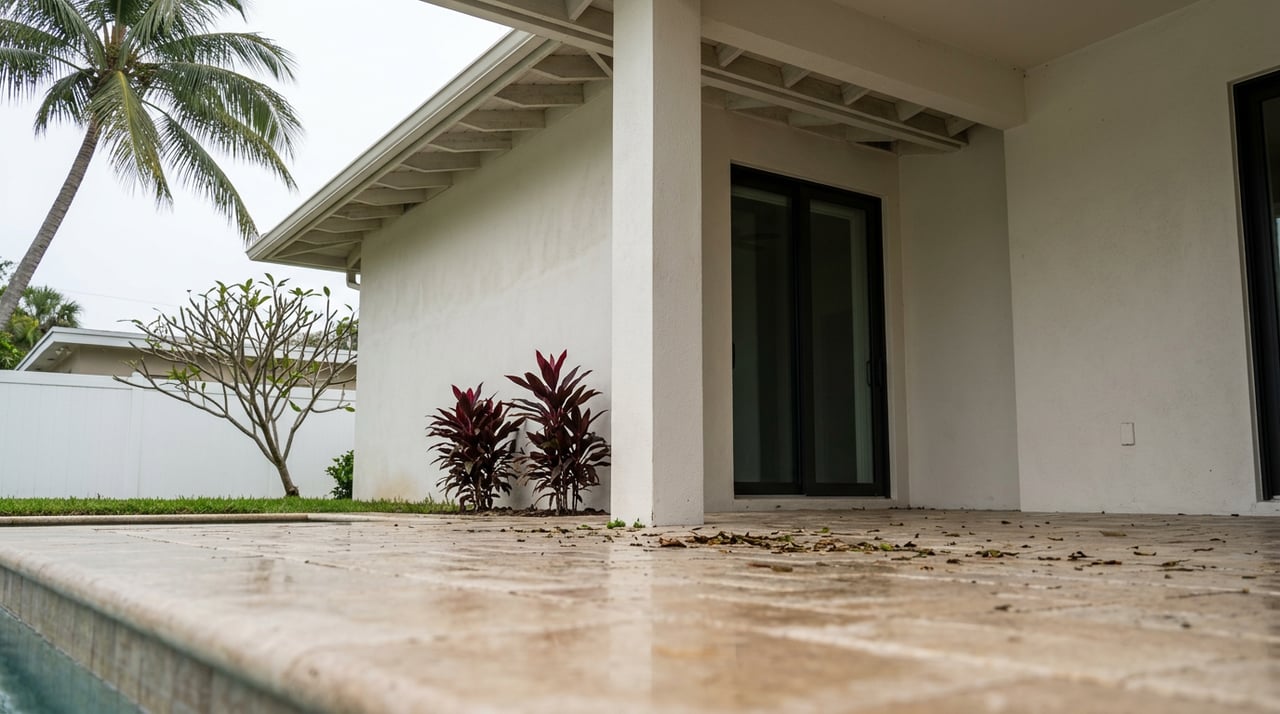
What the picture does not always show is the maintenance pace. Salt spray, humidity, and UV exposure accelerate wear on almost every exterior surface. Paint cycles are shorter. Metal railings and hardware corrode faster than mainland buyers expect. Sliding door tracks, screens, and mechanical systems need more frequent attention. Roofing materials at or near the ocean benefit from marine-grade specifications and regular inspection. If the property has a seawall, its condition and any access easements associated with it belong on your inspection checklist.
The coastal hazard picture also needs honest attention during due diligence. Coastal erosion, storm surge exposure, king-tide flooding, and tsunami evacuation zone status are all property-specific factors that affect insurance, financing, and long-term planning. Hawaii's sea-level rise projections are real and relevant for properties near the shoreline. Pull the FEMA flood zone map, the tsunami evacuation map, and the shoreline setback certification for any coastal property early in your search, not after you have fallen in love with it.
Coastal Ownership: The Permit and Insurance Reality
Owning on or near the Kona coast intersects with a specific set of regulatory considerations that inland buyers do not face. Shoreline setbacks establish how close structures can be to the certified shoreline, and any significant work near the coast typically requires Special Management Area review. If you want to add a structure, expand a lanai, or make substantial improvements to a coastal property, understand the SMA permitting process before you buy. What is easy on an inland parcel can be significantly more involved at the shore.
Insurance costs on coastal properties can be meaningfully higher than buyers budget for. Lenders may require flood insurance for properties in mapped Special Flood Hazard Areas, and that policy is separate from your homeowner's policy. Wind and hurricane coverage in Hawaii carries higher premiums than mainland equivalents for many coastal properties. Get quotes before you finalize your price range. The gap between the purchase price that looks attractive and the total annual carrying cost including insurance can be significant for oceanfront properties.
Leasehold title comes up more often in coastal and resort-adjacent condo developments than in upland areas. If a property you are considering is leasehold, the ground rent, reset schedule, and remaining lease term are all part of your cost calculation. See our post on leasehold vs. fee simple in Kona for what that means for financing and resale.
What Mauka Actually Means Day to Day
Mauka properties in Kona, the upland areas above the coastal corridor including the Palisades, Holualoa, and parts of South Kona, offer a genuinely different living environment. Temperature drops roughly 3.5 degrees Fahrenheit per 1,000 feet of elevation. At the upper Palisades or in Holualoa, you are often five to eight degrees cooler than the coast on the same day. Nights are noticeably more comfortable for many buyers, and the cloud cover that builds on the slopes in the afternoon keeps temperatures moderated in a way that the coast does not.
Space is the other major difference. Mauka parcels tend to be larger, often with room for gardens, fruit trees, or agricultural use. Privacy is easier to find. The tradeoff is driving. Everything you walk to on the coast, you drive to from mauka. The airport, medical services, grocery shopping, the harbor. All of it involves getting in the car. For full-time residents who drive regularly, this becomes part of the daily rhythm without much thought. For part-time buyers who want a lock-and-leave property with maximum convenience on arrival, the driving overhead matters more.
Vegetation management is the maintenance reality that surprises mauka buyers most. In wetter upland zones, things grow fast. Regular pruning, invasive species control, and drainage management are ongoing ownership costs that inland buyers from drier mainland climates often underestimate. Engineered drainage and retaining walls are common on sloped lots and need periodic inspection and maintenance. Neither of these is a dealbreaker, but they belong in your budget. For a deeper look at what elevation means for ownership costs in North Kona, see our post on elevation and home prices in the Kona Palisades.
Utilities: Where Mauka Gets More Complex
Central Kailua-Kona and most of the coastal corridor are on county water and sewer. That is the utility picture most buyers expect. Once you move upland, it gets more variable. Some mauka properties connect to county water but use septic rather than sewer. Others rely on rain catchment for water supply, a system that works well when maintained properly but requires buyer education about storage capacity, water quality testing, and roof and gutter condition. Some rural parcels use private wells.
If you are buying a property on catchment water, include water quality testing in your inspection process: bacteria, nitrates, and pH at minimum. Lenders have become more attentive to private water sources in Hawaii and recent lab results are sometimes a lender condition. Septic systems require periodic pumping and inspection; confirm the system's permit status, age, and when it was last serviced before you remove contingencies.
Cell coverage and broadband availability vary more upland than buyers expect. It is worth testing connectivity at the specific property address before you commit, particularly if you work remotely. A half-mile difference in elevation or terrain position can meaningfully change what service is available.
The Short-Term Rental Question
A meaningful number of Kona buyers, both coastal and mauka, are thinking about short-term rental income as part of their purchase rationale. The rules apply the same way regardless of where the property sits. Hawaii County requires a Non-Conforming Use Certificate (NUC) for short-term vacation rentals in most residential zoning districts, and new NUCs are no longer being issued in most zones. If you want to operate a legal short-term rental, you need a property that already has a valid, transferable NUC, or a property in a zone where short-term rentals are permitted by right.
Confirm NUC status and transferability before you write an offer if rental income is part of your plan. HOA rules in condo communities add another layer. Some buildings prohibit short-term rentals regardless of county permits. For more on how this works in Kona, see our post on the most googled Kona real estate questions, which covers STVR rules specifically.
How to Actually Make the Decision
The choice between oceanfront and mauka comes down to four honest questions. How do you plan to use the property: full-time residence, part-time, or investment? What maintenance demands are you actually willing to take on? How much does drive time to services matter in your daily life? And what does the total annual carrying cost look like when you include insurance, HOA fees where applicable, maintenance reserves, and utilities?
The buyers who regret their location choice in Kona are almost always the ones who optimized for the best view or the lowest sticker price without running the full cost picture. The buyers who are happiest are the ones who were honest about how they were going to live there and chose accordingly. Both oceanfront and mauka have active, healthy markets. Both have properties that are genuinely good purchases and properties that are not. The location question just determines which set of considerations you are evaluating.
Frequently Asked Questions
What is the practical difference between oceanfront and mauka living in Kona?
Oceanfront offers walkability, beach access, warmer temperatures, and convenience to town services. Mauka offers cooler evenings, more space and privacy, often larger parcels, and typically lower land cost per square foot. The tradeoffs are maintenance intensity on the coast versus drive time and utility complexity upland.
Are maintenance costs really higher for oceanfront properties in Kona?
Yes, meaningfully so. Salt spray, humidity, and UV exposure shorten paint cycles, accelerate corrosion on metal hardware and railings, and require more frequent attention to mechanical systems. Roofing benefits from marine-grade materials and regular inspection. Mauka properties have their own maintenance demands around vegetation management, drainage, and septic systems, but the coastal environment is consistently harder on exterior surfaces.
What hazards should I research for a coastal Kona property?
Coastal erosion, storm surge exposure, king-tide flooding, tsunami evacuation zone status, FEMA flood zone designation, and shoreline setback certification. Long-term sea-level rise projections are also relevant for properties near the shoreline. Pull all of these maps for any specific parcel early in your search, before you make an emotional commitment to a property.
What should I know about water and utilities for a mauka property?
Utilities vary more upland than buyers expect. Some mauka properties are on county water, others use catchment or wells. Most use septic rather than sewer. Cell and broadband coverage can change significantly over short distances. Confirm the specific utility situation for any property you are seriously considering, not just the general area.
Is oceanfront or mauka better for resale value in Kona?
Both have active markets and both have properties that hold value well and properties that do not. Oceanfront generally commands a price premium for views and access, but that premium is offset by higher insurance costs and maintenance demands that some buyers price in at resale. Mauka value depends heavily on views, elevation, access, and infrastructure quality. Neither location type is categorically better for resale. The specific property and its condition matter more than the location category.
Can I get insurance quotes before I make an offer?
Yes, and you should. Particularly for coastal properties, getting insurance quotes before you finalize your price range is worth the time. The annual cost of homeowner's, flood, and wind coverage on a coastal property can significantly change what a purchase actually costs to own. Ask your agent for insurance broker referrals with Hawaii coastal property experience, and get quotes early enough that the numbers can inform your offer rather than surprise you during escrow.
If you are working through the oceanfront versus mauka decision for a specific price range or neighborhood, that is a conversation worth having with someone who has sold both types in this market. Reach out to us at Kona Homes for Sale or call 808-854-5432.
Mark Davis, Esq. is a licensed real estate broker (RB-23769) with Kona Homes for Sale at Coldwell Banker Island Properties, Kailua-Kona, Hawaii. He practiced as a transactional and litigation real estate attorney for 35 years before moving to the Big Island full time. He currently serves as a member of the Hawaii County Real Property Tax Board of Appeal. Brenda Kuessner holds the ABR, CRS, e-PRO, GRI, and GREEN designations and has sold real estate on the Big Island for 35 years. Together they serve buyers and sellers across the Kona and Kohala Coast market. This post is for general informational purposes only and does not constitute legal or tax advice.