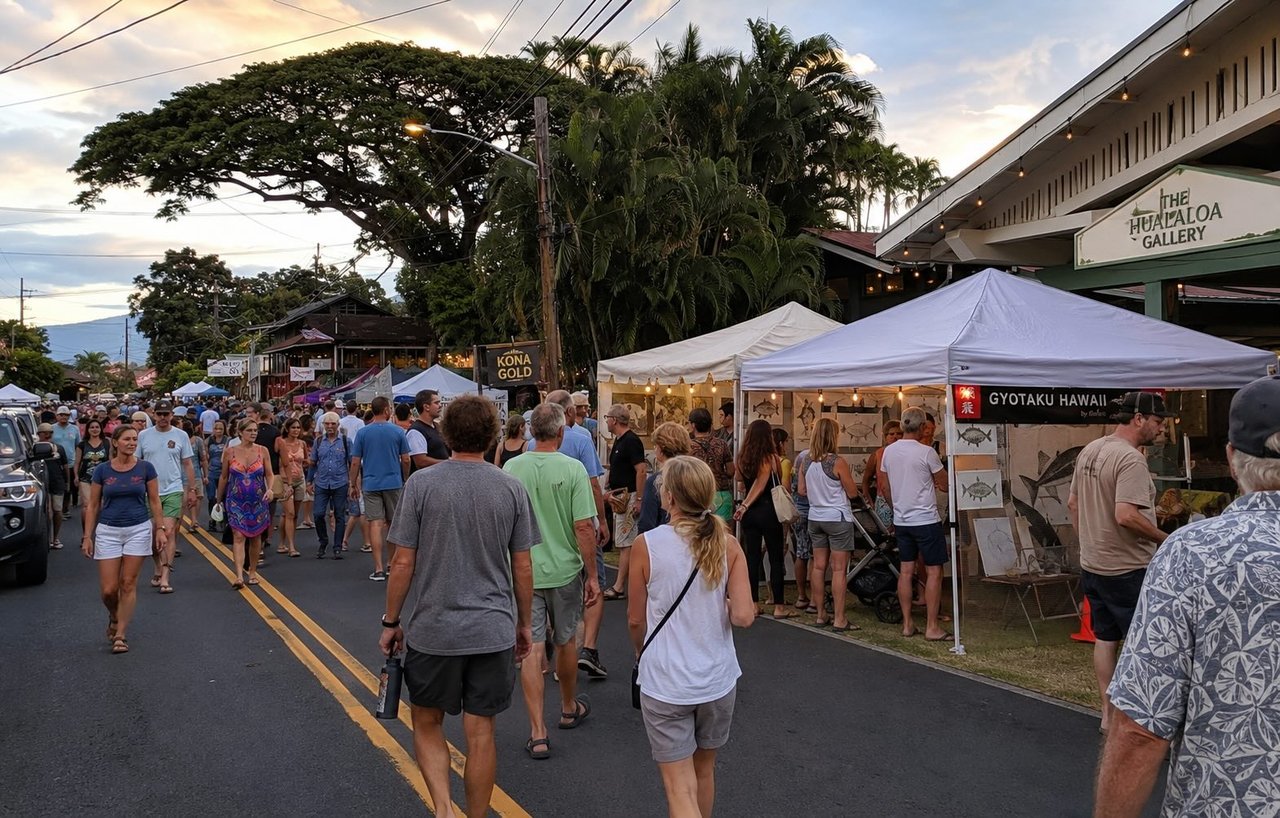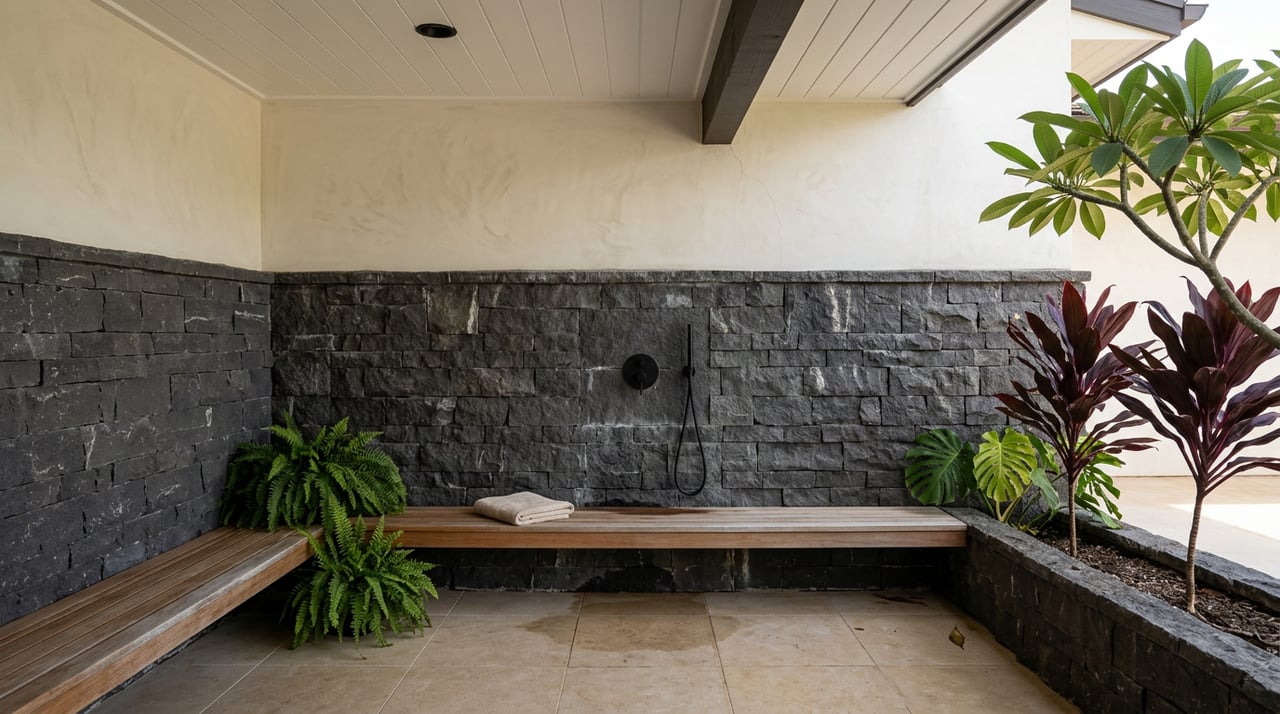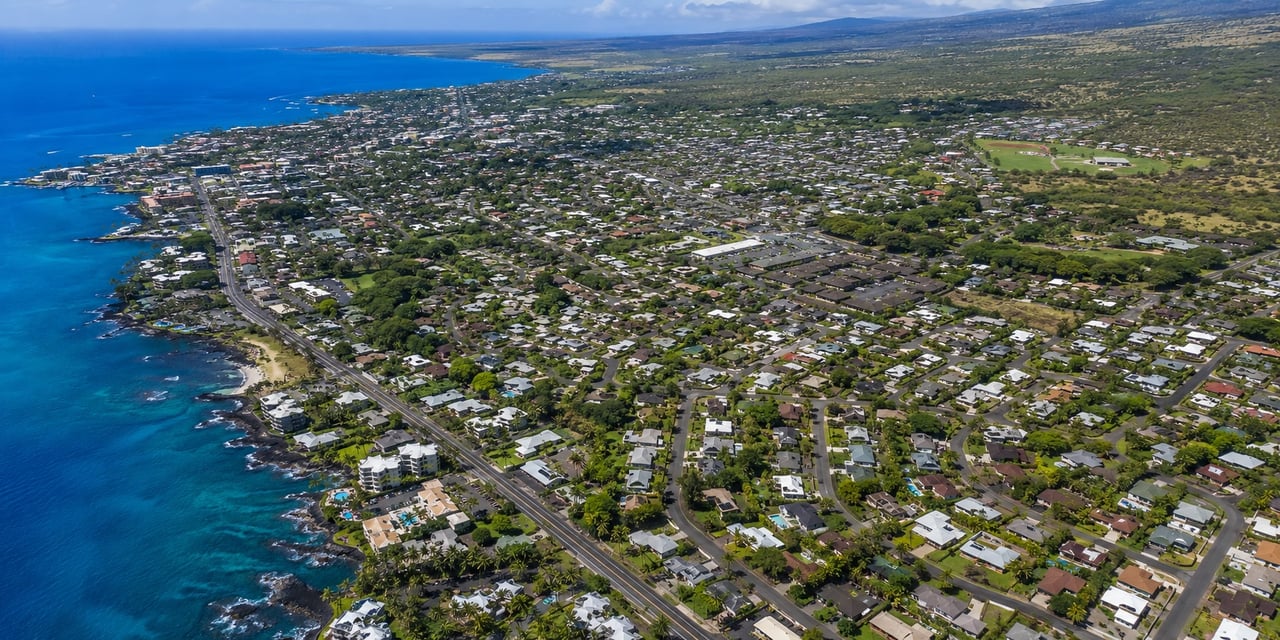
Kealakekua is worth understanding on its own terms rather than as an extension of either Kailua-Kona to the north or the deeper South Kona communities to the south. It sits about 15 miles south of Kailua-Kona town along Mamalahoa Highway, close enough to Kona Community Hospital and the basic service cluster along Highway 11 to be genuinely practical for full-time living, and rural enough in character that buyers who want space and quiet can find it here without driving an hour from everything.
The market is small. Inventory is limited. And the properties available at any given time represent a wide range of property types, price points, and due diligence complexity. Here is what buyers who are seriously considering Kealakekua need to understand before they start making offers.
Key Takeaways
- Kealakekua is a small market with limited inventory: around 30 homes for sale at any given time, with a median listing price around $1.276 million as of spring 2026. With fewer homes available, each listing is its own situation and requires careful individual evaluation.
- Property types here range from smaller homes on rural acreage to large custom estates and Hokuli'a oceanfront homesites. You cannot compare listings by square footage alone. Land value, views, access, and agricultural zoning are often more significant variables than the structure itself.
- Most Kealakekua addresses are in USGS Lava Hazard Zone 2, which affects insurance underwriting and some lender requirements. Confirm any specific parcel's zone before writing an offer.
- Agricultural zoning is common in the Kealakekua area. It affects what you can build, how you can subdivide, and what ongoing land use obligations may apply. Verify the specific zoning designation and any recorded conditions for any parcel you are considering.
- Utilities vary significantly by parcel. Many properties use catchment water or private wells rather than county service, and cesspool systems are common on older rural lots. Know what is on the ground before you make an offer.
- Hokuli'a is a significant part of the Kealakekua market, a private gated oceanfront golf community with custom estate lots. If you are considering a Hokuli'a property, review HOA dues, club membership structure, and any community obligations early in the process.
The Market in Plain Terms
Kealakekua is not a subdivisions market. It is not a neighborhood where houses are largely similar and value is easy to establish by looking at recent sales of comparable square footage nearby. The inventory at any given time includes agricultural parcels with modest structures, custom homes on acreage with ocean views, entry-level South Kona properties, and high-end Hokuli'a homesites with list prices well into the millions. Comparing those to each other is like comparing different asset classes that happen to share a ZIP code.
As of spring 2026, Realtor.com showed approximately 32 homes for sale in Kealakekua with a median listing price around $1.276 million and a median of 71 days on market. That 71-day figure reflects a market where buyers take their time, which is appropriate given the due diligence complexity of many properties here. Days on market for homes across the Big Island are up about 6% year over year. This is a buyer's market in terms of timeline, which means sellers who price correctly and have their documentation in order sell. Those who do not, wait.
For comparison, Kailua-Kona offers much more inventory at a lower median price point and more straightforward comps. Captain Cook to the south is more rural with a lower median. Holualoa to the north commands a premium for its coffee-country character and views. Kealakekua sits in the middle of that range, offering a specific combination of South Kona location and practical services that the other areas do not replicate exactly.
Hokuli'a: What Buyers Need to Know
Hokuli'a is a private gated oceanfront golf community spanning approximately 1,260 acres in the Kealakekua area. It is one of the more significant developments on the west side of the island in terms of scale and price point, and it accounts for a meaningful portion of the higher-end inventory that makes Kealakekua's median listing price what it is.
Hokuli'a lots are typically one acre or larger, and listings are marketed as custom estate opportunities with ocean views and golf course access. The community has a club and golf membership structure with HOA dues and club fees that are material to the total cost of ownership. Before you fall in love with a Hokuli'a site, understand the full carrying cost picture: HOA dues, club membership fees, any required membership purchase, and the cost of building a custom home on a remote oceanfront lot where every material ships to the island at elevated cost.
Hokuli'a properties are also subject to the same Hawaii-specific transaction considerations as the broader market: lava zone designation, HARPTA withholding on nonresident sellers, title review for any CPR or subdivision conditions, and the standard suite of Hawaii due diligence. Do not let the resort setting of the community substitute for rigorous transaction analysis.
Lava Zones and Insurance
Most Kealakekua addresses are in USGS Lava Hazard Zone 2, which covers the flanks of Hualalai and Mauna Loa. Zone 2 is not the highest-risk designation, but it is a real factor in insurance underwriting and in some lender requirements. Confirm any specific parcel's zone on the USGS Hawaiian Volcano Observatory hazard map before you write an offer, because lava zone affects both insurance availability and cost in ways that belong in your total ownership cost calculation from the beginning.
Some coastal and lower-elevation parcels in the Kealakekua area also carry FEMA flood zone considerations. If a property is near Kealakekua Bay or at lower elevation near the shoreline, pull FEMA flood zone status early. Lender-required flood insurance adds to monthly carrying cost and should be factored into your offer price analysis, not discovered at closing.
Agricultural Zoning: What It Means in Practice
Agricultural zoning covers a significant portion of the residential and rural inventory in Kealakekua. This is not unusual for South Kona, where the landscape has historically been agricultural: coffee farms, macadamia orchards, and mixed tropical growing, and the zoning reflects the zoning reflects that history.
For buyers, agricultural zoning has practical implications. Hawaii County's agricultural zoning generally permits a residence as an accessory to the agricultural use. Setbacks, lot coverage ratios, and permitted structures differ from residential zoning. Some parcels carry recorded agricultural dedication agreements that restrict how the land can be developed or subdivided. If you are buying with a specific development plan in mind: building a second structure, eventually subdividing, or operating a commercial agricultural enterprise, confirm that the specific zoning and any recorded conditions support that plan before you commit.
The Kona Community Development Plan, which guides land use and infrastructure planning for North and South Kona, is the broader framework within which individual parcel zoning decisions are made. If you are making a significant investment in acreage in Kealakekua, reading the relevant sections of the KCDP gives you useful context for long-term land use and infrastructure planning for the area.
Utilities: Check the Specifics for Every Parcel
This is one of the most important sections of this post for serious buyers. Utilities in Kealakekua vary significantly by parcel and are not well estimated from the general area or neighborhood pattern.
Water: many Kealakekua properties are not on county water service. Catchment systems, private wells, and water haul arrangements are common on rural lots. If a property uses catchment, evaluate tank capacity, roof and gutter condition, first-flush diverter function, and water quality. Get a water quality test as part of your inspection: bacteria, pH, and nitrates at minimum. Private wells require yield testing and water quality analysis. Confirm the specific water source for any property before you form a budget.
Wastewater: cesspools are common on older rural parcels throughout South Kona, including in the Kealakekua area. Hawaii's ongoing cesspool elimination requirements under Act 125 can create upgrade obligations that transfer to the buyer at closing, or that are triggered when pulling building permits. Confirm through the Hawaii Department of Health's Wastewater Branch what type of system is in the ground, when it was last inspected, and whether any upgrade obligations apply before you close.
Broadband and cell: as with all South Kona properties, connectivity varies by address. If you work remotely or need reliable high-speed internet, test connectivity at the specific property before making an offer. A half mile of terrain in rural South Kona can make a significant difference in what service is available.
Daily Life and Services
Kealakekua punches above its weight for daily services relative to how rural it feels. Kona Community Hospital in the Kealakekua area is the primary acute-care facility for West Hawaii, a 94-bed hospital with 24-hour emergency services. The Kealakekua Ranch Center on Mamalahoa Highway has a ChoiceMART supermarket, Ace Hardware, and a collection of restaurants and medical offices. For larger grocery runs and big-box retail, most residents make the 15 to 20-minute drive north to Kailua-Kona.
For buyers who are seriously considering Kealakekua as a full-time residence, that service picture is more complete than most people expect before they visit. For buyers who want the convenience of Kona town walkability or the density of the commercial corridor along Queen Kaahumanu Highway, Kailua-Kona will feel more appropriate.
The drive north is along Mamalahoa Highway, a two-lane road with curves and gradient changes that adds real-world time beyond what straight-line map distance suggests. As with all South Kona properties, drive the route from any specific address to your most common destinations at different times of day before you commit to the location.
Frequently Asked Questions
How far is Kealakekua from Kailua-Kona?
About 15 miles south along Mamalahoa Highway, which translates to roughly 20 to 30 minutes by car depending on your specific address and traffic. The highway is a two-lane road with curves and grade changes, so drive time is not well estimated from map distance. Drive the specific route from any property you are seriously considering before you commit to the commute.
What lava hazard zone is Kealakekua in?
Most Kealakekua addresses are in USGS Lava Hazard Zone 2, which covers the flanks of Hualalai and Mauna Loa. Zone 2 is not the highest-risk designation, but it does affect insurance underwriting and some lender requirements. Confirm any specific parcel's zone on the USGS Hawaiian Volcano Observatory hazard map before writing an offer. For coastal or low-elevation properties, FEMA flood zone status is a separate consideration.
What is Hokuli'a and what should buyers know about it?
Hokuli'a is a private gated oceanfront golf community spanning approximately 1,260 acres in the Kealakekua area. Lots are typically one acre or larger, marketed as custom estate opportunities with ocean views and golf course access. It has a club and membership structure with HOA dues and club fees that are a material part of the ownership cost. Before making an offer on a Hokuli'a property, understand the full carrying cost picture including HOA dues, membership fees, and the cost of building a custom home with island-premium materials and labor costs.
Are most Kealakekua homes on county water and sewer?
No. Many rural and agricultural properties in Kealakekua use catchment water, private wells, or other private water sources rather than county service. Cesspools and septic systems are common on older lots. The specific utility setup varies by parcel and must be confirmed individually. Never assume based on the general neighborhood. Hawaii's cesspool elimination requirements can create upgrade obligations that transfer to the buyer, so confirm wastewater system status before closing.
How does Kealakekua compare to Captain Cook for buyers?
The areas are adjacent and share a similar South Kona rural character and coffee-belt setting. Kealakekua tends to have a slightly higher median price point and includes the Hokuli'a community which pulls the median up significantly. Captain Cook has more rural acreage inventory and a somewhat more established community identity around the coffee belt. Both offer similar drive times to Kailua-Kona and access to Kealakekua Bay. Our post on what it's like to live in Captain Cook covers the South Kona lifestyle in more detail.
What is the most important due diligence item for a Kealakekua purchase?
For most rural and agricultural properties in Kealakekua, utilities are the highest-stakes due diligence item. Water source, wastewater system type, and any cesspool upgrade obligations need to be confirmed before you are deep in escrow. Lava zone and agricultural zoning conditions are close behind. None of these are difficult to research with the right tools and the TMK for the specific parcel, but they need to be researched, not assumed.
If you are evaluating properties in Kealakekua and want guidance on what the due diligence actually looks like for a specific parcel, reach out to us at Kona Homes for Sale or call 808-854-5432. For more on the broader South Kona market, see our posts on what it's like to live in Captain Cook and our guide to relocating to Kona from the mainland.
Mark Davis, Esq. is a licensed real estate broker (RB-23769) with Kona Homes for Sale at Coldwell Banker Island Properties, Kailua-Kona, Hawaii. He practiced as a transactional and litigation real estate attorney for 35 years before moving to the Big Island full time. He currently serves as a member of the Hawaii County Real Property Tax Board of Appeal. Brenda Kuessner holds the ABR, CRS, e-PRO, GRI, and GREEN designations and has sold real estate on the Big Island for 35 years. Together they serve buyers and sellers across the Kona and Kohala Coast market. This post is for general informational purposes only and does not constitute legal or tax advice.