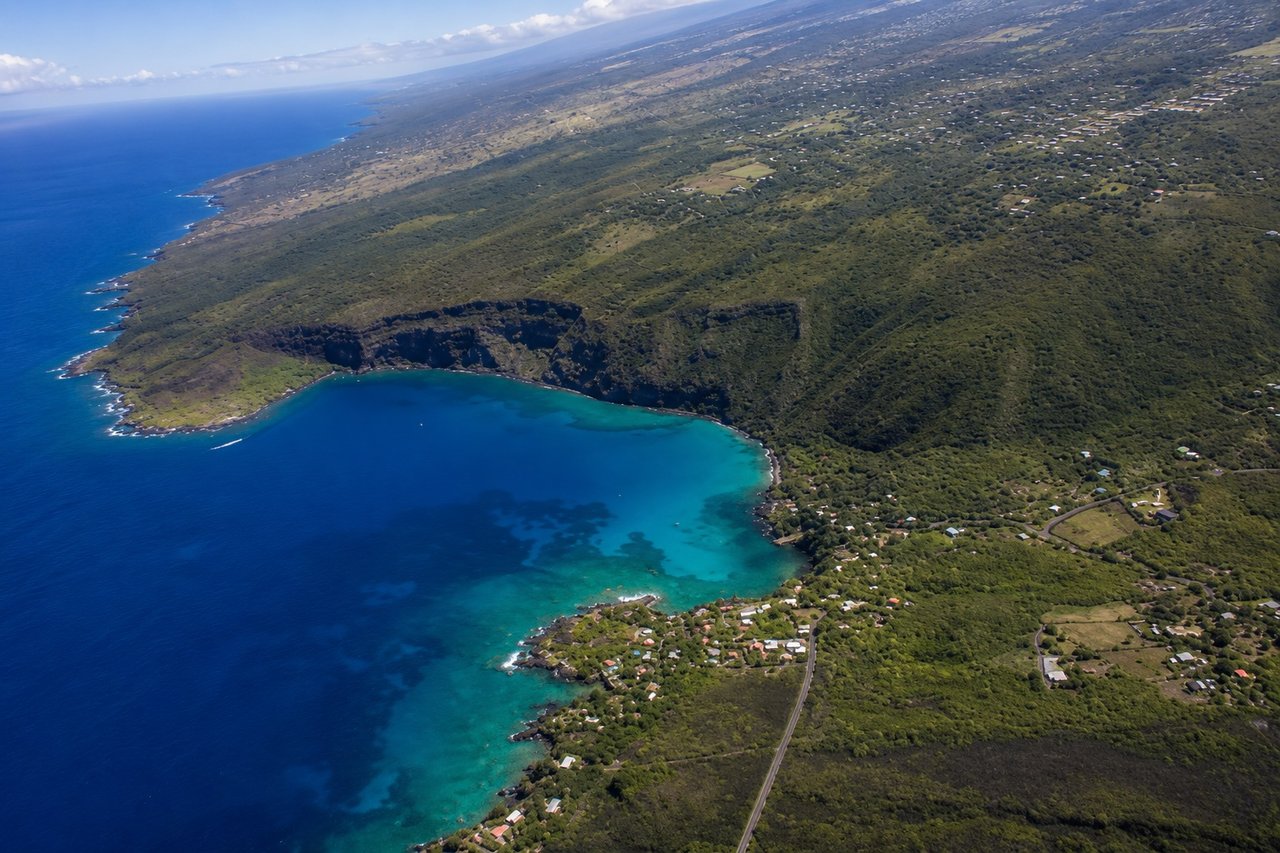
Captain Cook sits in the heart of South Kona's coffee belt about 20 to 30 minutes south of Kailua-Kona, and it draws a specific kind of buyer. Not the person looking for a coastal condo with beach access and a short walk to dinner. The person looking for space, rural character, big ocean views from elevation, and a pace of life that favors farm stands over chain stores. If that is you, this is worth understanding in real detail before you start your search.
Key Takeaways
- Captain Cook is a census-designated place in South Kona with about 3,253 residents, situated along Mamalahoa Highway at elevations roughly between 800 and 2,000 feet. It is inside the Kona Coffee Belt.
- Drive times to Kailua-Kona town run 20 to 30 minutes depending on your address. The airport is 30 to 40 minutes. Plan your commute around winding two-lane roads, not freeway distances.
- Kealakekua Bay is a Marine Life Conservation District with some of the clearest snorkeling water on the island. Shore access is regulated and limited. Most residents use guided boat or kayak tours.
- Most Captain Cook addresses are in USGS Lava Hazard Zone 2, which affects insurance underwriting and lender requirements. Confirm any specific parcel's zone before you write an offer.
- Many properties here use catchment water and septic rather than county systems. Utilities vary significantly by address and belong on your due diligence checklist early.
- Buyers drawn to Captain Cook are typically looking for something genuinely rural. If you want to walk to restaurants or be close to big-box retail, South Kona will feel remote.
What Captain Cook Actually Is
Captain Cook is not a town with a downtown core. It is a census-designated place that stretches along Mamalahoa Highway through the slopes above the coast. The infrastructure is highway-oriented: a post office, a few small markets and farm stands, a gas station, the Kona Community Hospital down in Kealakekua. There is a village feel because the community is small enough that familiar faces are genuinely familiar. People know each other at the post office.
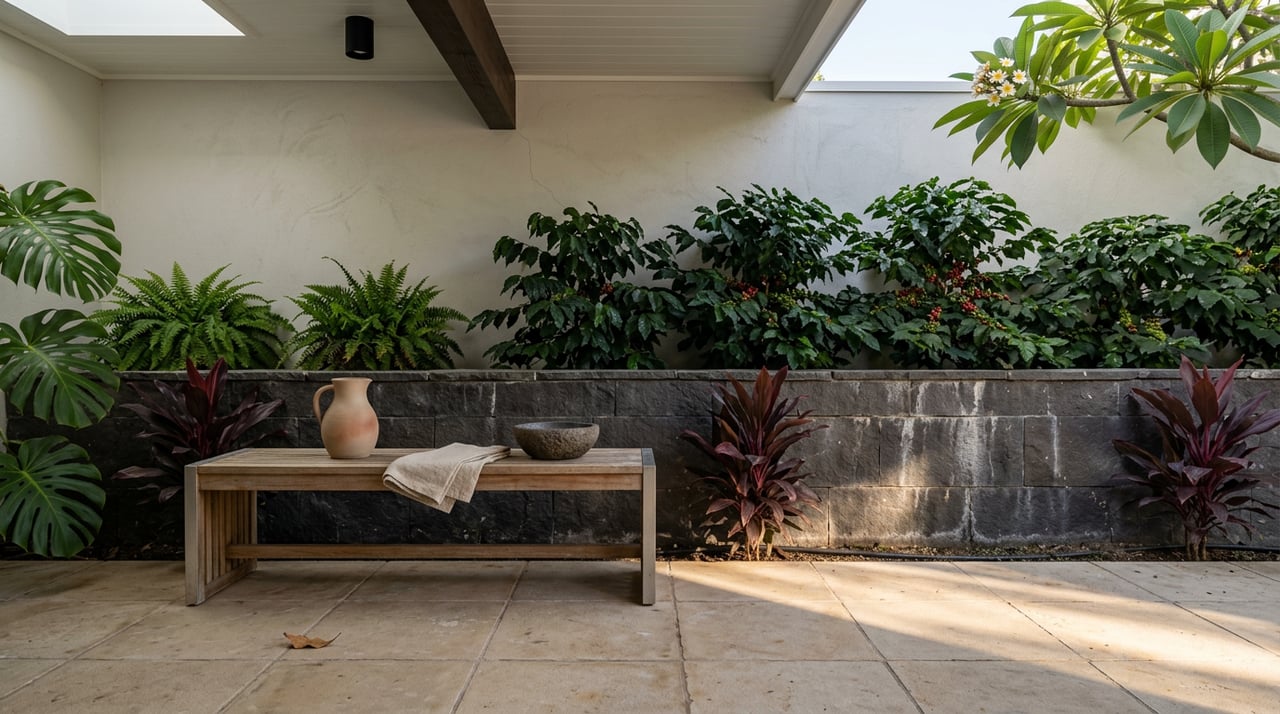
The setting is what drives buyer interest. Properties here sit on the coffee-belt slopes of Hualalai and Mauna Loa, typically at 800 to 2,000 feet. Many lots include working coffee trees, macadamia, mixed tropical planting, and the kind of agricultural character that is very hard to find in the coastal Kona market at comparable prices. Ocean views from this elevation are significant. On a clear morning before the clouds build, the Pacific below you is something you do not get tired of.
Kealakekua Bay and Coastal Access
Kealakekua Bay is the primary draw for outdoor-oriented buyers considering South Kona, and it is genuinely exceptional. A Marine Life Conservation District with protected waters, the bay has some of the clearest snorkeling on the island's west coast. The Captain Cook Monument at the north end of the bay marks the site where the explorer was killed in 1779, and the historical and natural combination is unlike anything else on the island.
What buyers need to understand is that access is regulated and intentionally limited. Shore access to the monument area is restricted to kayaks and boats. The trail down to the bay is steep and strenuous and many visitors find it harder than it looks on a map. Guided kayak and boat tours depart from Napoopoo and Keauhou regularly and are the practical way most residents experience the bay. Always check current conditions and follow Marine Life Conservation District rules about anchoring and wildlife interaction.
South of Kealakekua, Puuhonua o Honaunau National Historical Park is one of the most significant cultural sites in Hawaii, a place of refuge with fishponds, restored structures, and grounds that give you a genuine sense of what coastal life looked like here before contact. The "Two Step" entry at Honaunau Bay adjacent to the park is a popular snorkel spot with generally calm, clear water. Both are worth knowing as a South Kona resident.
Drive Times and Daily Logistics
This is where the romance of rural South Kona meets the practical reality. From most Captain Cook addresses, Kailua-Kona town is 20 to 30 minutes. The airport is 30 to 40 minutes. Full-service grocery shopping means driving north. The hospital in Kealakekua is closer, but for specialty care you may be traveling to Kona or to Oahu. These are not deal-breakers for the right buyer, but they need to be part of your honest assessment of whether South Kona fits how you actually want to live.
Mamalahoa Highway is a two-lane road with curves, gradient changes, and occasional slow-moving trucks and farm equipment. At its best it is a beautiful drive through coffee country. At its worst, during school hours or behind a delivery vehicle, it adds time. If you are considering a Captain Cook property, drive the specific route from that address to your most common destinations at different times of day. Do not estimate based on straight-line map distance.
Public transit exists but is limited. Hawaii County's Hele-On bus serves South Kona with routes connecting Captain Cook to Kailua-Kona and surrounding communities. For occasional trips it is useful. For daily errands most households are car-dependent.
Hazards, Insurance, and Lava Zones
Captain Cook addresses are primarily in USGS Lava Hazard Zone 2, which covers the flanks of Hualalai and Mauna Loa. Zone 2 is not the highest-risk designation. That is reserved for the active rift zones of Kilauea in lower Puna. But Zone 2 is a real consideration for insurance availability and lender underwriting, and it belongs in your due diligence from the beginning. Confirm any specific parcel's zone on the USGS Hawaiian Volcano Observatory hazard map before you write an offer. Our post on lava zones and elevation in Kona covers what the zones mean practically for insurance and financing.
For properties near the shoreline, FEMA flood zone status and tsunami evacuation zone designation apply separately. Know your evacuation route if you spend time near the coast, and confirm flood insurance requirements with your lender before you are deep in escrow.
Utilities: What to Confirm Before You Buy
This is one of the most important sections of this post for anyone seriously considering a South Kona property. Utilities vary significantly by address in Captain Cook, and the variations matter for your monthly carrying costs, your due diligence checklist, and in some cases your financing options.
Water: some properties connect to county water; others use rain catchment systems. Catchment works well when properly maintained, but it requires attention to storage tank capacity, roof and gutter condition, first-flush diverter function, and regular water quality testing. If you are buying a catchment property, include water quality testing in your inspection: bacteria, nitrates, and pH at minimum. Some lenders have specific requirements for private water sources.
Wastewater: many properties in South Kona use septic rather than sewer. Older parcels may have cesspools, which carry state upgrade requirements under ongoing Hawaii cesspool elimination programs. Know which system the property uses, when it was last serviced, and whether any upgrade requirements apply.
Broadband and cell: service varies street by street. If you work remotely, test connectivity at the specific property address before you commit. A half-mile difference in terrain or elevation can meaningfully change what is available.
Housing and What You Are Buying
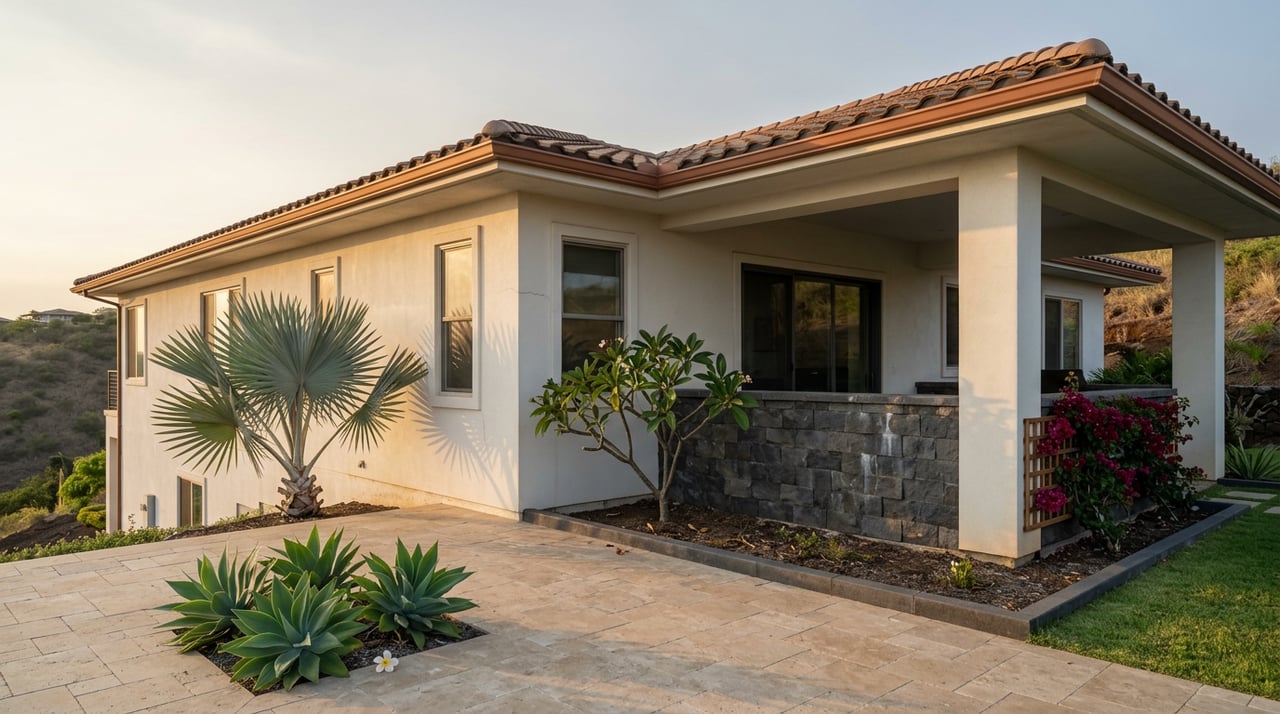
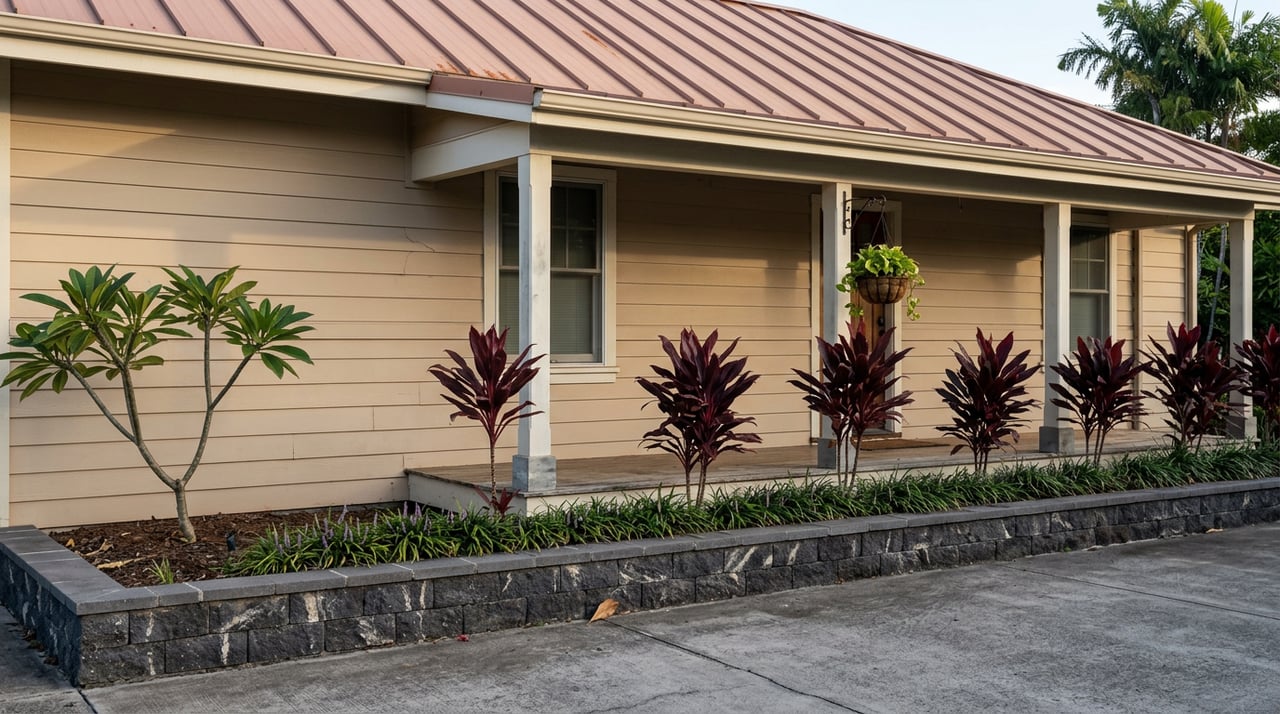
Captain Cook's housing stock reflects its agricultural and rural character. Single-family homes on larger lots are the norm, ranging from plantation-era cottages and modest ranch homes to newer custom builds with significant ocean views. Many properties include working coffee trees, macadamia orchards, or mixed agricultural land. Some are working coffee farms being sold alongside the residence.
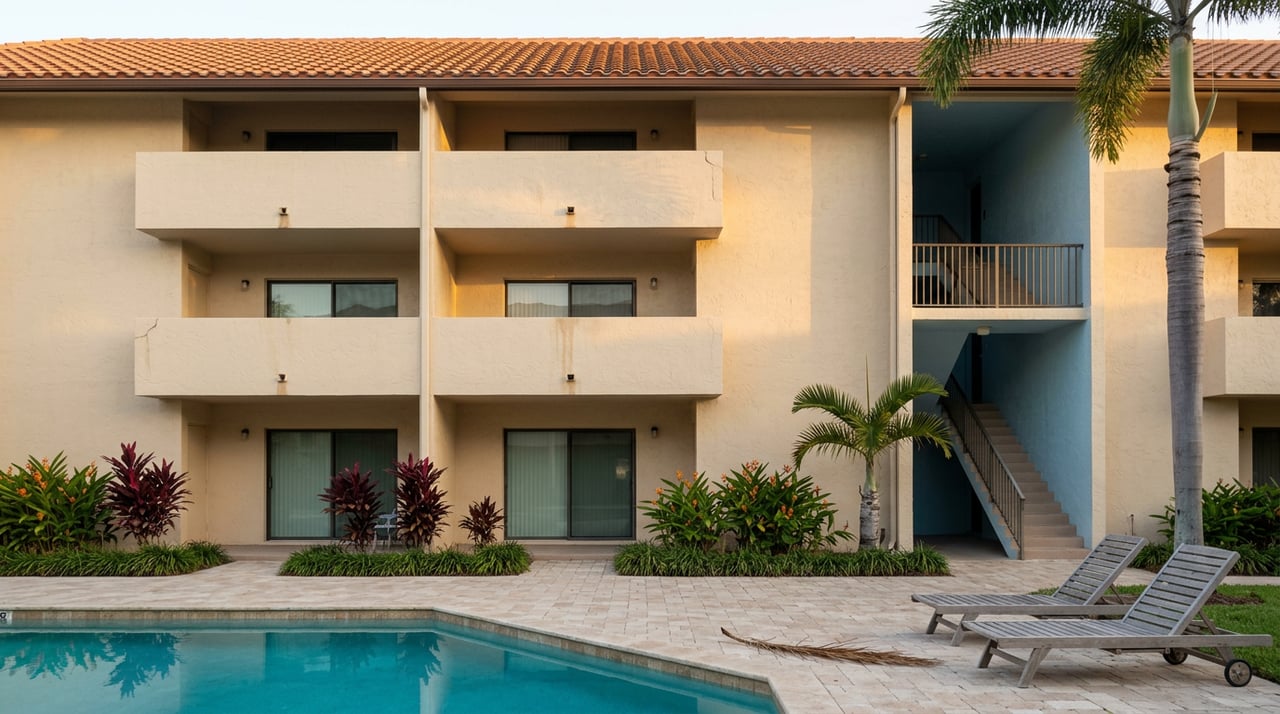
Zoning in South Kona includes significant agricultural designations. Before you buy, confirm any agricultural dedications, permitted uses on the land, and any division or subdivision rules relevant to the specific parcel. CPR units, properties divided into separately titled units under a Condominium Property Regime, are present in this market and come with their own declaration review requirements. See our post on the most googled Kona real estate questions for a plain-language explanation of CPR units and other Hawaii-specific concepts.
If a property is leasehold rather than fee simple, the lease terms and remaining lease duration are a significant part of your cost and risk calculation. Our post on leasehold vs. fee simple in Kona covers what that means for financing and resale.
Who Thrives in Captain Cook
After 35 years of selling real estate across the west side of the island, I can tell you the buyers who are happiest in South Kona are the ones who were honest with themselves upfront. They wanted space. They wanted agricultural land or the option for it. They wanted to feel genuinely away from the resort corridor without being far from Kona. They understood that the drive was part of the deal and they were at peace with it.
The buyers who struggle are the ones who bought the ocean view and the coffee farm romance without fully pricing in the daily logistics. The distance to full-service grocery, the drive to the airport at 4 in the morning, the internet that does not quite support the video calls they need. These things are manageable with the right expectations. They feel like surprises when they were not anticipated.
Frequently Asked Questions
How far is Captain Cook from Kailua-Kona?
About 20 to 30 minutes by car depending on your specific address and traffic conditions. The airport runs 30 to 40 minutes. Mamalahoa Highway is a two-lane road with curves and gradient changes, so drive times are not well estimated from straight-line map distance. Drive the route from any specific property to your most common destinations before you commit.
Can you snorkel at Kealakekua Bay?
Yes, but access is regulated. Kealakekua Bay is a Marine Life Conservation District and shore access to the monument area is limited. The trail down is steep and strenuous. Most residents and visitors use guided kayak or boat tours from Napoopoo or Keauhou. Always check current conditions. There are no lifeguards at most access points.
What lava hazard zone is Captain Cook in?
Most Captain Cook addresses are primarily in USGS Lava Hazard Zone 2, which covers the flanks of Hualalai and Mauna Loa. Zone 2 affects insurance availability and lender underwriting. Confirm any specific parcel's zone on the USGS Hawaiian Volcano Observatory hazard map early in your search, before you make an offer.
What should I know about utilities in Captain Cook?
Utilities vary significantly by address. Many properties use catchment water and septic rather than county water and sewer. Older parcels may have cesspools subject to state upgrade requirements. Broadband and cell coverage vary by terrain. Confirm the specific water source, wastewater system, and internet availability for any property you are seriously considering. Do not assume based on the general neighborhood.
What types of homes are common in Captain Cook?
Single-family homes on larger lots, ranging from plantation-era cottages and ranch homes to newer custom builds with ocean views. Many properties include working coffee trees, macadamia orchards, or mixed agricultural land. The inventory is rural and individual. This is not a condo market. Agricultural zoning is common, so confirm permitted uses and any agricultural dedications on any specific parcel before you buy.
Is Captain Cook right for someone relocating from the mainland?
It can be, for the right person. Buyers who move to Captain Cook and love it are typically the ones who specifically wanted rural agricultural living, ocean views from elevation, and a slower pace. They were honest with themselves about the drive times and the distance from town services. If daily beach access, walkability, or proximity to restaurants and retail are important to your daily life, South Kona will feel more remote than it looks on a map.
If you are considering a property in Captain Cook or South Kona and want to talk through what the ownership experience actually looks like at a specific address, reach out to us at Kona Homes for Sale or call 808-854-5432.
Mark Davis, Esq. is a licensed real estate broker (RB-23769) with Kona Homes for Sale at Coldwell Banker Island Properties, Kailua-Kona, Hawaii. He practiced as a transactional and litigation real estate attorney for 35 years before moving to the Big Island full time. He currently serves as a member of the Hawaii County Real Property Tax Board of Appeal. Brenda Kuessner holds the ABR, CRS, e-PRO, GRI, and GREEN designations and has sold real estate on the Big Island for 35 years. Together they serve buyers and sellers across the Kona and Kohala Coast market. This post is for general informational purposes only and does not constitute legal or tax advice.