Kealakekua is an established South Kona community along Māmalahoa Highway, with Kona Community Hospital, local businesses, and coffee-growing country nearby. For buyers, its appeal is the combination of everyday services and a hillside setting with homes, gardens, and agricultural properties.
Location matters more than the mailing address alone. Kealakekua town, nearby Kainaliu, and the shoreline around Kealakekua Bay offer different settings. A property advertised under the Kealakekua name may be close to the highway, farther up a rural road, or well below the town. Start with the actual address, access route, and surroundings.
The town is uphill along the highway corridor. Kealakekua Bay lies below, with road access to the Nāpōʻopoʻo side. Living near the town's services is a different proposition from living near the bay: elevation, temperature, road access, and the drive for errands all change.
The bay is a Marine Life Conservation District, and Kealakekua Bay State Historical Park protects significant cultural and historical places, including Hikiau Heiau. Its importance extends far beyond recreation. Our article on Kealakekua Bay's cultural significance provides more context.
Nearby Captain Cook also has shops, services, residential streets, and agricultural land. There is no simple dividing line between “convenience in Kealakekua” and “acreage in Captain Cook.” Compare individual locations and the trips you expect to make.
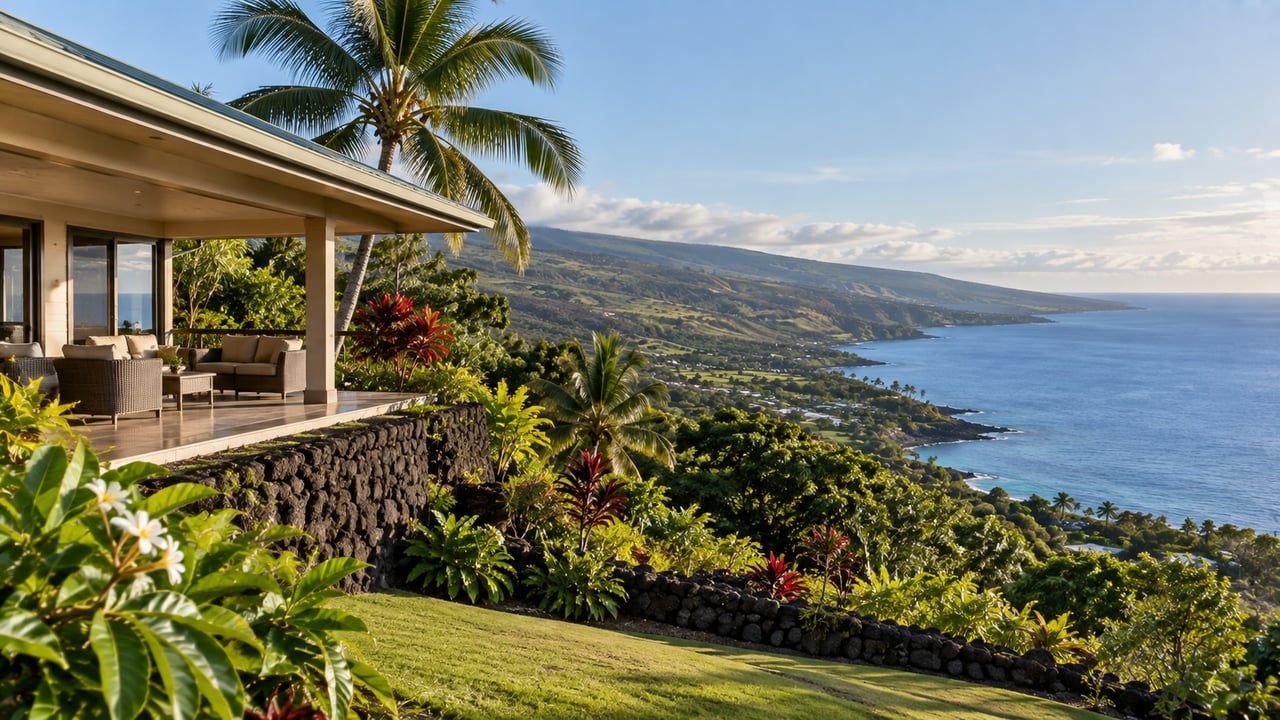
Kealakekua real estate includes established houses near the highway, renovated and newer homes, and properties with larger grounds or agricultural uses. The broader mailing area also includes luxury properties associated with communities such as Hōkūliʻa. These are different markets, and they should not be combined into one description of typical prices or ownership costs.
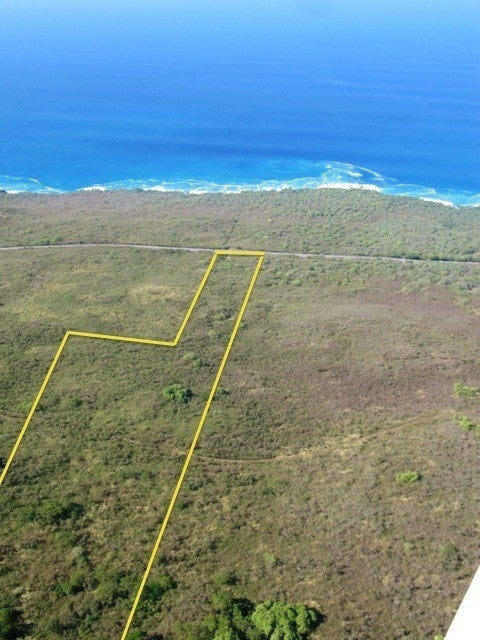
Along the highway and connecting residential roads, pay attention to traffic, driveway access, parking, and proximity to neighboring homes. Farther uphill, look closely at road conditions, slope, drainage, and how much of the land is usable for your plans.
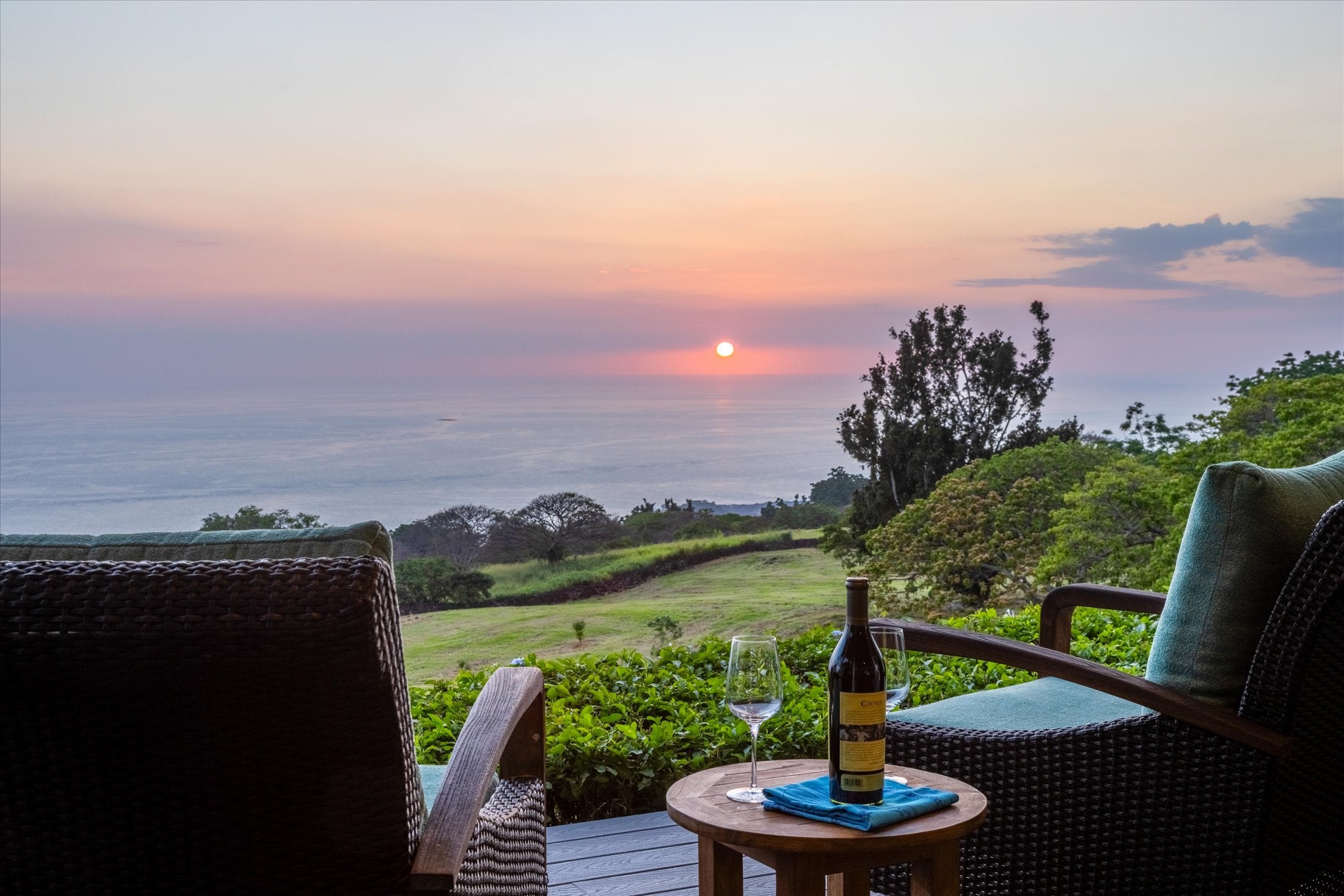
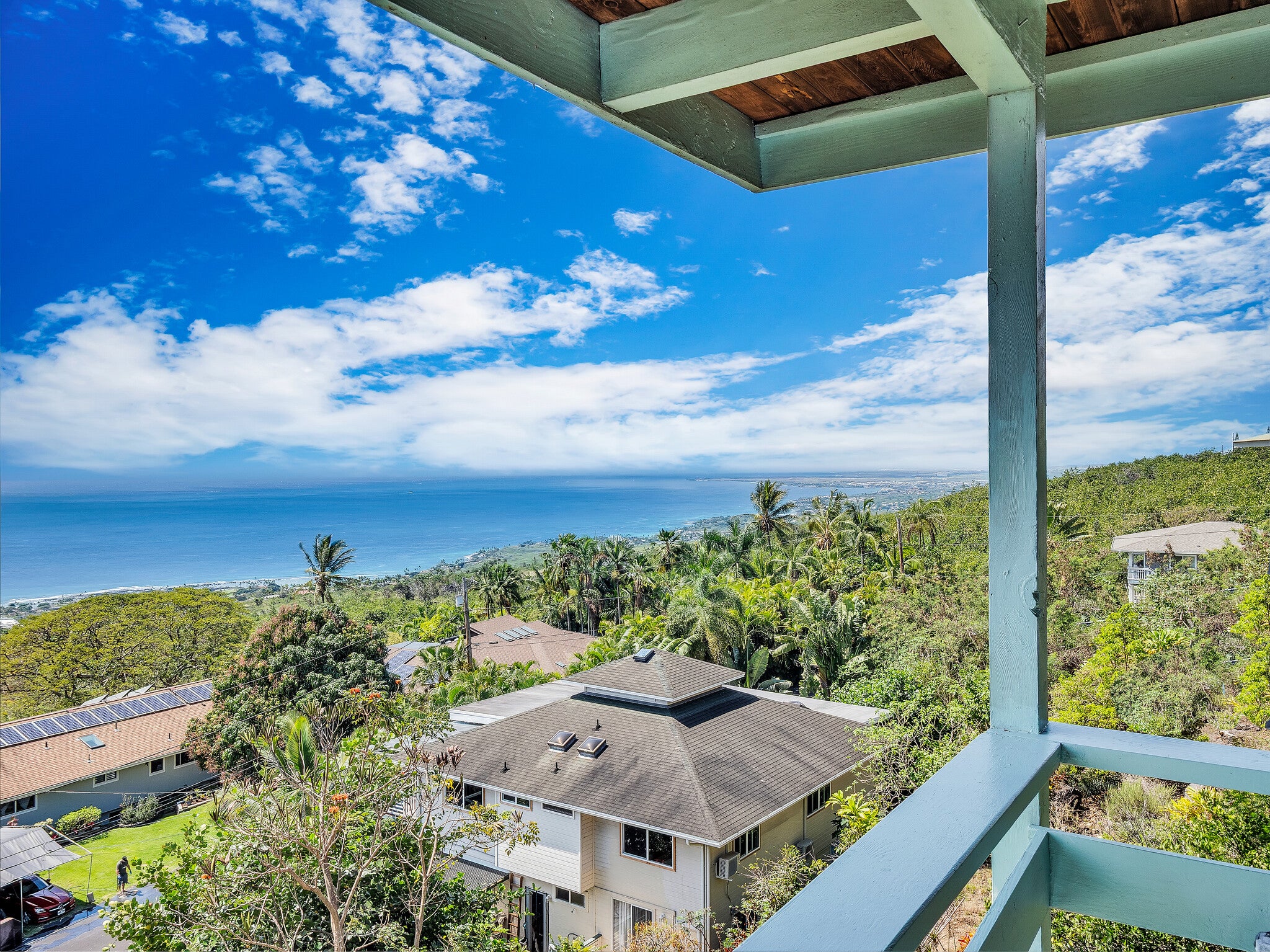
Elevation influences temperature and rainfall, but a fixed elevation range does not describe every property marketed as Kealakekua. Visit the home itself to assess afternoon sun, shade, airflow, and moisture. An ocean view can be appealing, but its usefulness depends on where you can enjoy it and what lies between the house and the coast.
Compare recent closed sales with similar location, condition, land tenure, permitted living area, and usable lot size. A house near town, a working coffee property, and a home in a private club community have different costs and features even when they share a Kealakekua address.
For an older home, evaluate the roof, electrical and plumbing systems, drainage, and any additions. Age alone does not establish condition or permit status. A maintained older property may require less immediate work than a newer home with unresolved defects.
Our Kealakekua homebuying guide offers additional reading. The August 2026 Kona market update provides a dated market snapshot; use current listings and recent comparable sales when evaluating a specific purchase.
Kona Community Hospital is in Kealakekua, and the Konawaena schools are part of the surrounding community. If school assignment matters to your search, confirm eligibility for the exact address directly with the Hawaiʻi Department of Education. For healthcare, check the providers and services you need rather than assuming every specialty is available nearby.
Shopping and dining are spread along the South Kona highway corridor. Kainaliu, north of central Kealakekua, is home to the Aloha Theatre and local shops. Honalo is another distinct community farther north. These places are connected by everyday travel, but their names are not interchangeable.
Greenwell Farms and the Kona Historical Society's H.N. Greenwell Store Museum are in Kealakekua. The Society's Kona Coffee Living History Farm is in neighboring Captain Cook. Together, they reflect a coffee-growing and commercial history that remains part of the area's character.
Plan on driving for most errands. Trips to Kailua-Kona and Kona International Airport depend on your starting point, route, and traffic. Test the drive at the times you expect to travel, particularly if commuting north will be part of your routine.
Water and wastewater: Confirm whether the property has county water, a private supply, or catchment. For vacant land or additional development, verify service availability and connection requirements. Identify the wastewater system separately; county water does not establish that a home is connected to sewer.
Cesspools: Hawaiʻi generally requires cesspools to be upgraded or converted to an approved system, or connected to sewer, before January 1, 2050, subject to applicable exemptions. Some building changes or system problems can trigger an earlier requirement. Review system records and obtain a property-specific assessment before budgeting improvements.
Permits and intended use: Compare existing buildings and living areas with county records, including additions, enclosed spaces, and separate living quarters. Confirm zoning and the requirements for any planned rental, farm operation, or additional dwelling.
Ownership and access: Check whether the property is fee simple or leasehold, review recorded access and utility easements, and understand any shared-road obligations. If ownership involves a condominium property regime, or CPR, review the declaration, condominium map, common elements, and maintenance responsibilities. A CPR is a form of ownership; it is not the same as creating separately subdivided lots.
Lava hazards and insurance: Do not assign a hazard zone from the town name or ZIP code alone. Review the property's location against the USGS lava-flow hazard mapping and confirm how your lender and insurer evaluate it. Hazard boundaries are approximate, and a zone number does not guarantee coverage or establish the premium.
Coffee and agricultural land: If coffee production is part of the purchase, ask for recent harvest records, operating expenses, and maintenance agreements. Review management of coffee berry borer and coffee leaf rust, along with access for harvesting and equipment. Existing trees do not by themselves establish a profitable farm.
For inherited property, establish who has authority to sell and address any estate or title requirements early. Our guide to selling an inherited home in Kealakekua explains where to begin.
Kealakekua is worth exploring if you want a South Kona location with access to established services and a choice of residential or agricultural settings. The best fit depends on how much land you want to maintain, your preferred climate, and your daily travel.
If coastal shopping and dining are priorities, compare specific locations in Kailua-Kona and Keauhou. If land or farming is central to your plans, compare suitable properties in both Kealakekua and Captain Cook. Our guide to choosing a Kealakekua location can help organize those priorities.
They are neighboring South Kona communities with residential areas, businesses, and agricultural properties. Kealakekua is home to Kona Community Hospital, but both communities offer services and a range of property types. Compare the individual address rather than choosing solely by town name.
No. The town is uphill along Māmalahoa Highway. Reaching the bay involves a separate drive down to the shoreline. A Kealakekua address does not mean a property is waterfront or within walking distance of the bay.
The broader Kealakekua mailing area includes properties identified in different lava-flow hazard zones. Check the property's location and the designation used by your lender and insurer instead of assuming one zone applies to every Kealakekua address.
Both are north of Kealakekua, with the airport beyond Kailua-Kona. Travel time varies with the property, route, and traffic. Drive your expected route during the relevant hours before deciding whether the location works for you.
Mark and Brenda can help you compare Kealakekua homes, land, and agricultural properties based on your priorities and the details of each listing. Call (808) 854-5432 to discuss your South Kona search.
3,137 people live in Kealakekua, where the median age is 50.9 and the average individual income is $44,315. Data provided by the U.S. Census Bureau.
Total Population
Median Age
Population Density Population Density This is the number of people per square mile in a neighborhood.
Average individual Income
There's plenty to do around Kealakekua, including shopping, dining, nightlife, parks, and more. Data provided by Walk Score and Yelp.
Explore popular things to do in the area, including Randy's Huli Chicken and Ribs, Aree Thai Food, and O’z kitchen.
| Name | Category | Distance | Reviews |
Ratings by
Yelp
|
|---|---|---|---|---|
| Dining · $$ | 0.17 miles | 378 reviews | 4.7/5 stars | |
| Dining | 0.17 miles | 1 review | 4/5 stars | |
| Dining | 0.19 miles | 64 reviews | 4.8/5 stars | |
| Dining | 0.19 miles | 0 reviews | 0/5 stars | |
| Dining | 0.24 miles | 10 reviews | 5/5 stars | |
| Dining | 0.24 miles | 0 reviews | 0/5 stars | |
| Dining · $ | 0.24 miles | 37 reviews | 5/5 stars | |
| Dining | 0.24 miles | 1 review | 1/5 stars | |
| Dining · $$ | 0.24 miles | 5 reviews | 5/5 stars | |
| Dining · $$ | 0.3 miles | 204 reviews | 4.1/5 stars | |
| Dining · $ | 0.32 miles | 42 reviews | 2.2/5 stars | |
| Dining | 0.32 miles | 0 reviews | 0/5 stars | |
| Active | 0.22 miles | 644 reviews | 4.9/5 stars | |
| Active | 0.24 miles | 51 reviews | 5/5 stars | |
| Active | 0.24 miles | 17 reviews | 5/5 stars | |
| Active | 0.24 miles | 1 review | 5/5 stars | |
| Active | 0.24 miles | 91 reviews | 4.7/5 stars | |
| Active | 0.24 miles | 0 reviews | 0/5 stars | |
| Active | 0.24 miles | 1 review | 5/5 stars | |
| Active | 0.26 miles | 0 reviews | 0/5 stars | |
| Active | 0.28 miles | 0 reviews | 0/5 stars | |
| Active | 0.28 miles | 2 reviews | 5/5 stars | |
| Beauty | 0.12 miles | 0 reviews | 0/5 stars | |
| Beauty | 0.33 miles | 0 reviews | 0/5 stars | |
|
|
||||
|
|
||||
|
|
||||
|
|
||||
|
|
||||
|
|
Kealakekua has 1,088 households, with an average household size of 2.85. Data provided by the U.S. Census Bureau. Here’s what the people living in Kealakekua do for work — and how long it takes them to get there. Data provided by the U.S. Census Bureau. 3,137 people call Kealakekua home. The population density is 159 and the largest age group is Data provided by the U.S. Census Bureau.
Total Population
Population Density Population Density This is the number of people per square mile in a neighborhood.
Median Age
Men vs Women
Population by Age Group
0-9 Years
10-17 Years
18-24 Years
25-64 Years
65-74 Years
75+ Years
Education Level
Total Households
Average Household Size
Average individual Income
Households with Children
With Children:
Without Children:
Marital Status
Blue vs White Collar Workers
Blue Collar:
White Collar: